Infrastructure-Focused Property and Economic Growth in Webster, NY
Webster, NY: A Blueprint for Industrial Revival and Economic Growth
Webster, New York, is quickly becoming a standout example of how targeted municipal infrastructure improvements and brownfield redevelopment can drive economic expansion and unlock hidden value in industrial real estate. Central to this transformation is the redevelopment of the former Xerox campus—a sprawling 300-acre site now on track to become a $1 billion industrial center by 2026. Backed by a $9.8 million FAST NY grant, the initiative has focused on modernizing roads, expanding sewer systems, and upgrading the electrical grid, making the area highly attractive for advanced manufacturing and logistics companies. These efforts have led to a sharp drop in industrial vacancy rates to just 2%, well below the national average, and have contributed to a 10.1% annual rise in local residential property values.
Infrastructure Investments Fueling Industrial Opportunity
Now rebranded as the Northeast Area for Technology (NEAT), the former Xerox campus illustrates the power of infrastructure upgrades to revitalize underused properties. By addressing key needs in transportation, utilities, and environmental cleanup, Webster has created a competitive environment for industrial developers. A significant $283 million state investment has not only made the site suitable for high-tech manufacturing but has also attracted industries like food processing and semiconductor supply chains. This aligns with a broader shift in the industrial real estate sector, where tenants increasingly seek modern facilities equipped for automation and resilient supply chains.
Collaboration between public and private sectors has further amplified the impact. The NEAT site’s anchor tenant, the $650 million fairlife® dairy plant, is expected to generate 250 new jobs and boost the local economy. These partnerships highlight Webster’s ability to leverage public funds to attract private investment, drawing interest from institutional investors. According to a Q3 2025 CBRE report, the Northeast U.S. industrial market recorded 16.3 million square feet in leasing and user sales, with third-party logistics providers representing 26% of demand. Webster’s low vacancy rates and strategic location near I-390 and Rochester International Airport position it to benefit from this robust activity.
Diversifying the Local Economy for Long-Term Resilience
The transformation of the Xerox campus goes beyond industrial redevelopment—it serves as a model for economic diversification. The mixed-use zoning plan, which incorporates 500 new housing units and 200,000 square feet of commercial space, is designed to support workforce retention by blending residential and industrial growth. This approach reflects a national trend where cities are reimagining zoning to foster more resilient economies. For investors, the combination of industrial and residential development offers multiple revenue streams and reduces reliance on any single sector.
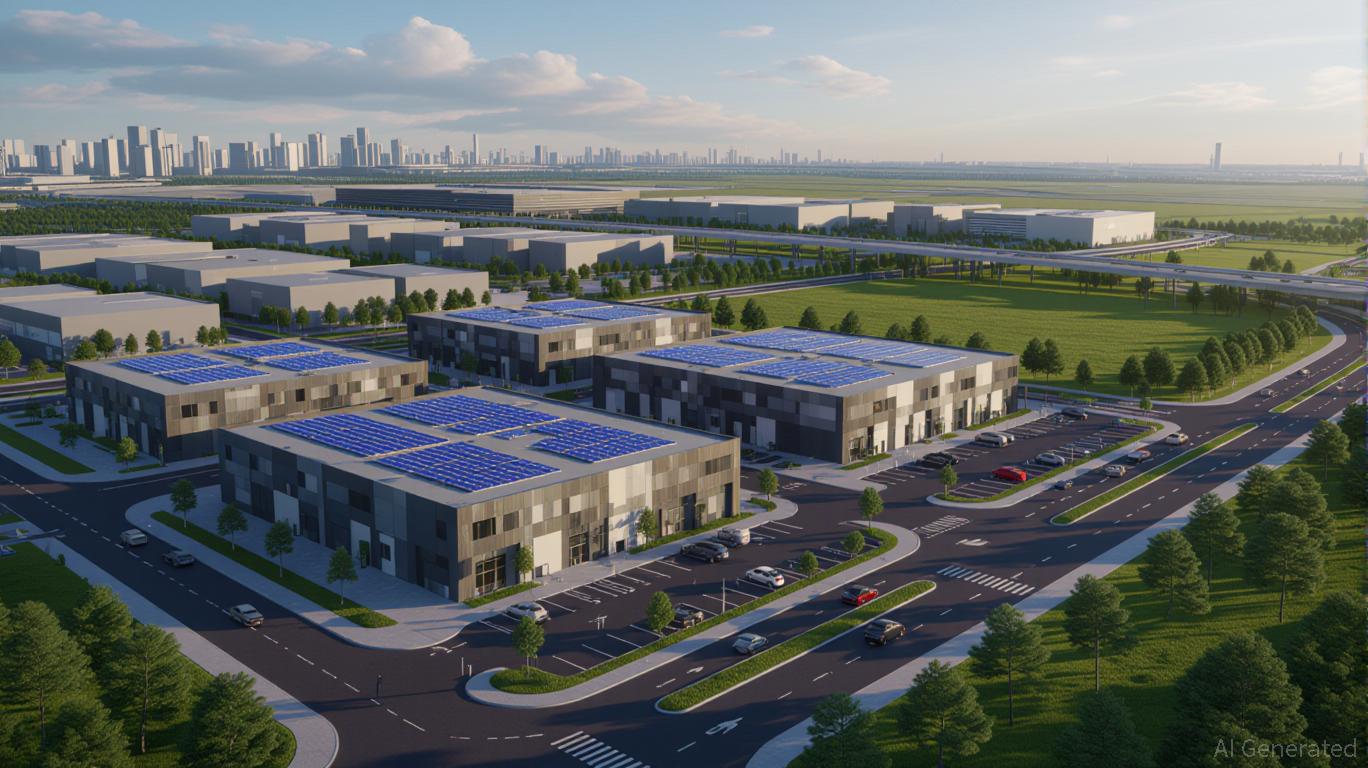
Environmental remediation, partially funded by the Brownfield Opportunity Area (BOA) initiative, has further increased the site’s appeal. By addressing environmental concerns, Webster has shortened development timelines and lowered costs for future tenants. As highlighted in a JLL analysis, the ongoing “flight-to-quality” in industrial real estate is expected to continue into 2025, with companies favoring locations that offer modern amenities and sustainable infrastructure. The NEAT site’s compliance with these standards makes it especially attractive to innovative businesses.
Market Trends and Future Outlook
Recent data underscores the strong potential of Webster’s industrial market. The Q3 2025 CBRE report notes that, despite a 16% quarter-over-quarter drop in overall leasing activity in the Northeast, demand for top-tier logistics facilities remains robust. With its upgraded infrastructure, Webster is well-positioned to capture this demand. Its proximity to Rochester’s technology and healthcare sectors also provides additional opportunities for industrial tenants seeking a diverse customer base.
Looking forward, Webster’s economic outlook remains promising. The NEAT site is projected to be fully operational by 2026, offering nearly one million square feet of industrial space ready for immediate use. This timeline aligns with national forecasts that predict ongoing growth in e-commerce and retail/wholesale sectors, both of which are expanding in the Northeast. For investors, the convergence of enhanced infrastructure and rising demand presents a unique investment window.
Conclusion: A Model for Sustainable Development
Webster, NY, stands as a testament to how thoughtful infrastructure investment can transform underutilized spaces into thriving industrial centers. By focusing on brownfield redevelopment, fostering public-private partnerships, and embracing mixed-use planning, the town has built a resilient economic ecosystem that appeals to both businesses and residents. With low vacancy rates, attractive tax incentives, and excellent transportation links, Webster is emerging as a top choice for investors in a market increasingly defined by quality and connectivity. As the NEAT site reaches full capacity in 2026, Webster’s approach may serve as a valuable template for other communities aiming to balance economic growth with sustainability.





