Republican Lawmakers Introduce CLARITY Act to Counter 'Choke Point 2.0' Targeting Cryptocurrency
Republican Lawmakers Push for Clear Crypto Banking Regulations
Republican members of the U.S. House of Representatives are ramping up efforts to pass legislation that would address what they see as widespread exclusion of cryptocurrency businesses and individuals from banking services by federal regulators during the previous administration. In a comprehensive staff report, House Financial Services Committee Chair French Hill and Oversight Subcommittee Chair Dan Meuser assert that regulators relied on ambiguous policies, broad discretionary powers, informal advisories, and assertive enforcement to pressure banks into distancing themselves from clients in the digital asset sector—a strategy critics have labeled "Operation Choke Point 2.0."
The report advocates for the adoption of the CLARITY Act, a proposed law designed to establish transparent regulatory guidelines for digital asset markets. Lawmakers argue that this measure would help prevent future disruptions to the crypto industry by setting clear boundaries for federal oversight.
According to the report, federal agencies such as the SEC, FDIC, Federal Reserve, and OCC have used unclear directives and enforcement actions to discourage banks from working with crypto-related businesses. This approach, the lawmakers contend, has resulted in banks severing ties with these firms, thereby hindering innovation and restricting access to vital financial services.
The CLARITY Act, which was approved by the House in July 2025, seeks to reverse these effects by providing explicit rules for both banks and market participants. The goal is to allow engagement with the crypto sector without fear of excessive regulatory intervention.
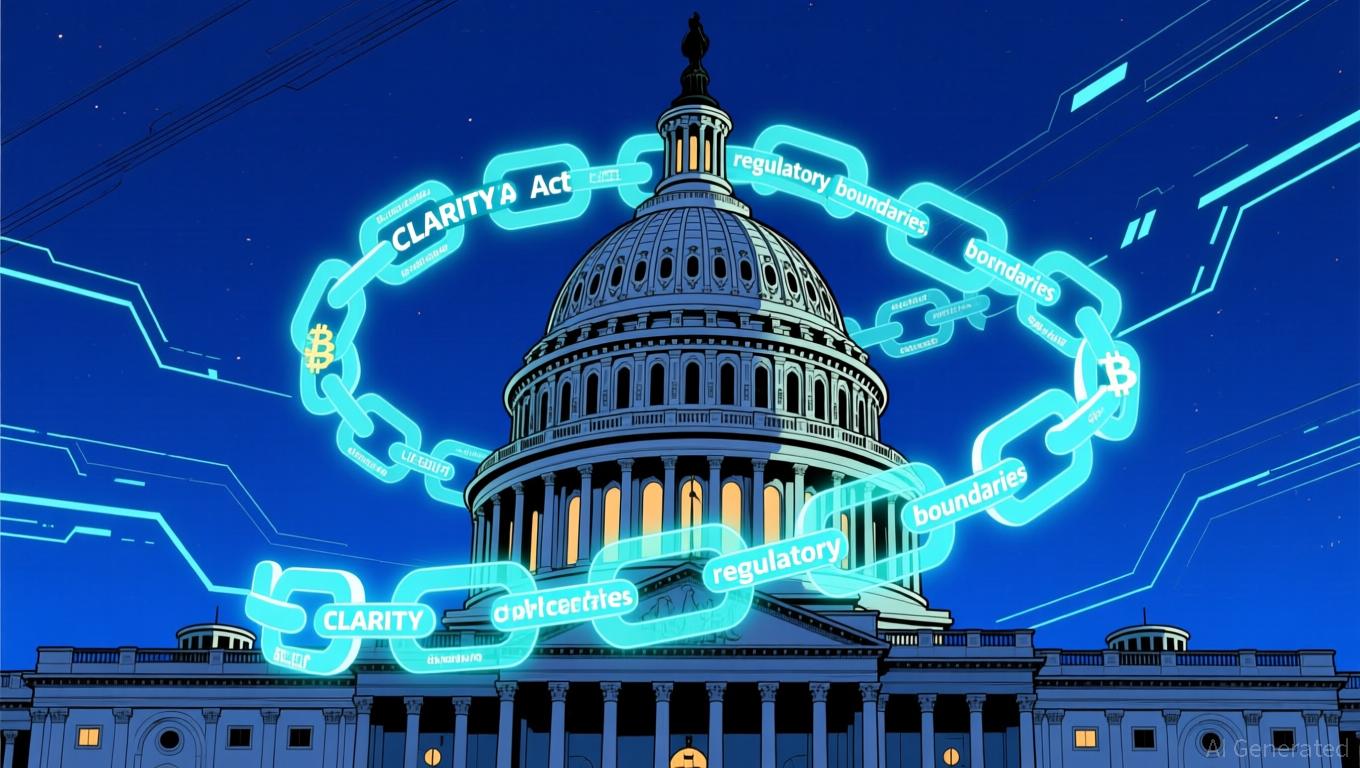
Currently, the bill is being reviewed by the Senate Agriculture Committee and the Senate Banking Committee, both led by Republicans. Draft versions have been released in both chambers. Senate Banking Chair Tim Scott has stated that the committee aims to finalize the legislation by early 2026. The report emphasizes that passing the CLARITY Act is essential to avoid a repeat of restrictive regulatory practices and to create a stable environment for the digital asset industry.
Global Trends in Crypto Regulation
This legislative push in the U.S. comes as other countries also move to clarify crypto regulations. For example, the United Kingdom is expanding its Cryptoasset Reporting Framework (CARF) to include domestic transactions from 2026, allowing tax authorities access to both domestic and international crypto data. In another development, Turkmenistan has officially permitted crypto trading under strict government oversight, introducing licensing and cold storage requirements for exchanges. These international actions highlight the increasing demand for standardized rules that address risks such as money laundering and tax evasion, while still encouraging technological advancement.
Ongoing Debate and Community Response
The Republican report also points out that reports of banks discontinuing services to crypto clients have become common within the industry. Many individuals have received notifications from financial institutions citing regulatory pressure as the reason for account closures. Although House Democrats, led by Ranking Member Maxine Waters, have yet to issue a response to the report, the topic is expected to remain at the forefront of legislative discussions in 2026 as policymakers continue to debate the future of cryptocurrency oversight.





