The PENGU USDT Sell Indicator and What It Means for the Stability of Stablecoins
Renewed Concerns Over Algorithmic Stablecoins After PENGU USDT Sell Signal
The recent sell signal for PENGU USDT in 2025 has reignited important discussions about the inherent weaknesses and systemic dangers associated with algorithmic stablecoins. Although PENGU USDT experienced a notable 12.8% rally in November 2025, this short-term growth concealed deeper vulnerabilities. Technical analysis, including subdued on-balance volume (OBV) and inconsistent on-chain activity, pointed to a market on the edge of instability. This situation highlights a persistent issue: despite their innovative design, algorithmic stablecoins remain highly susceptible to liquidity disruptions and risk contagion, especially in periods marked by eroding confidence and increased regulatory attention.
Structural Weaknesses and Contradictory Market Indicators
The volatility seen in PENGU USDT exemplifies the risks embedded in algorithmic stablecoin frameworks. Blockchain data showed an influx of $157,000 from experienced investors, but this was dramatically outweighed by $66.6 million in withdrawals from team-controlled wallets, reflecting a bearish outlook in derivatives trading. These opposing trends expose the fragility of market sentiment, where immediate profits often come at the expense of long-term viability. Furthermore, PENGU USDT’s weak correlation with Bitcoin and other alternative coins shields it from broader market movements but also restricts its growth potential, leaving it vulnerable to hype cycles fueled by social media.
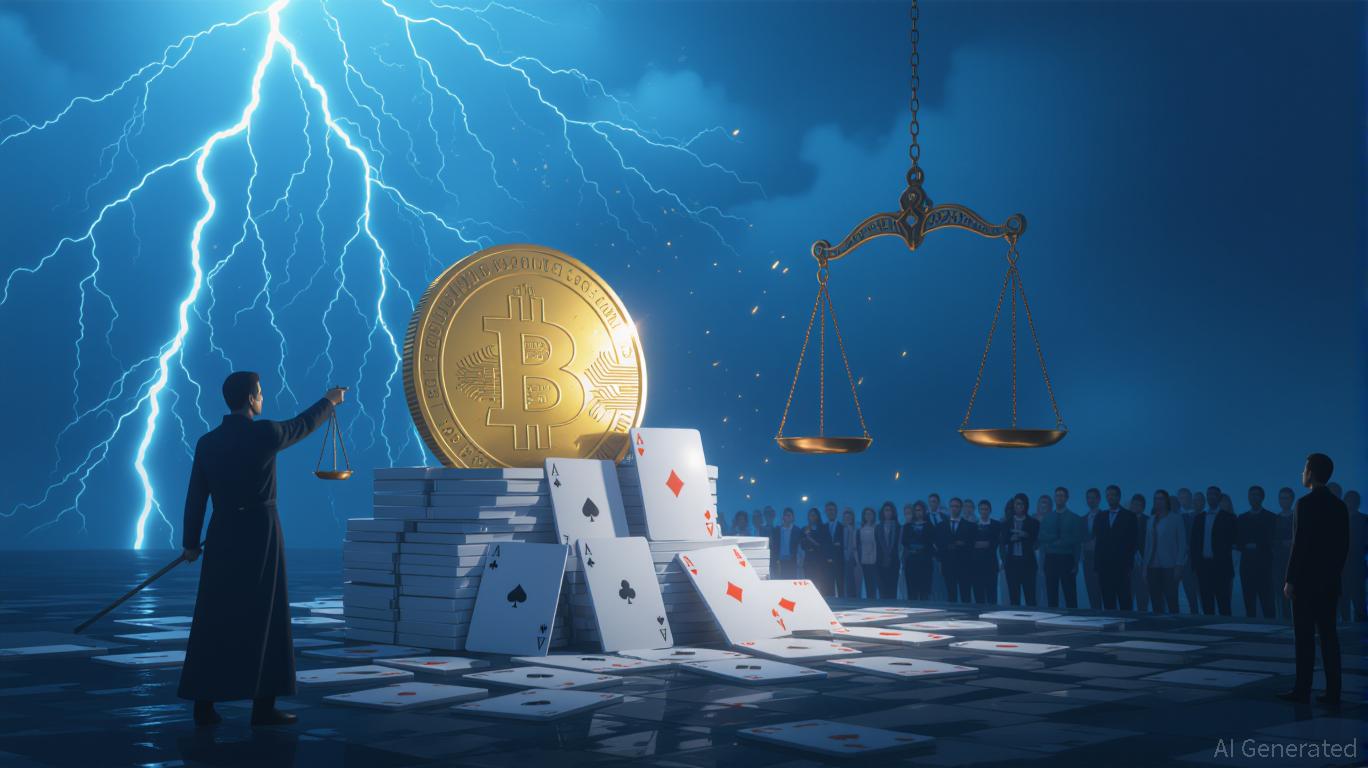
Another major concern is the opaque nature of PENGU USDT’s collateralization. Unlike conventional stablecoins that are backed by fiat or tangible assets, algorithmic models rely on intricate mechanisms such as seigniorage shares or synthetic tokens. This lack of clarity, combined with uncertain regulatory environments, heightens the risk of liquidity crises, as demonstrated by the UST/LUNA collapse in 2022 and the USDC de-pegging in 2023.
Case Study: October 2025 Depegging and Market Contagion
A significant example of systemic risk unfolded on October 10, 2025, when Ethena’s USDe stablecoin lost its peg on Binance, dropping to $0.65 during a wave of sell-offs triggered by escalating U.S.-China trade tensions. This crash exploited weaknesses in Binance’s oracle infrastructure during a transitional phase, leading to a cascade of liquidations that erased $19 billion in positions within a single day. The incident revealed the vulnerabilities of centralized oracle systems and cross-margin trading, which can magnify isolated failures into widespread market turmoil.
The fallout extended beyond USDe, as both wrapped Beacon ETH (wBETH) and Binance Staked SOL (BnSOL) also suffered sharp declines, illustrating how interconnected digital asset markets can rapidly transmit shocks. As liquidity providers exited, a lack of buy orders prevented market makers from stabilizing prices. While PENGU USDT was not directly implicated, this episode underscored the systemic dangers posed by algorithmic stablecoins, where self-referential mechanisms and synthetic collateral can trigger downward spirals during crises.
Regulatory Developments and Pursuit of Stability
In response to these vulnerabilities, new regulations such as the U.S. GENIUS Act and the European Union’s MiCA have introduced stricter controls. The GENIUS Act, effective since July 2025, bans algorithmic stablecoins outright and requires full reserve backing with high-quality, liquid assets. It also introduces federal licensing and prohibits interest payments to token holders, aiming to curb speculative behaviors that have led to previous failures. Similarly, MiCA enforces transparency and reserve standards, treating e-money tokens on par with payment stablecoins, as outlined in recent reports.
These regulatory measures strive to strike a balance between fostering innovation and ensuring financial stability by separating stablecoin operations from core banking and guaranteeing consumer protection through par-value redemptions. Nonetheless, challenges remain, such as the GENIUS Act’s exclusion of longer-term bonds from eligible reserves and the ongoing need for international coordination to prevent regulatory loopholes, as highlighted in recent analyses.
Looking Ahead: Recommendations for a Resilient Stablecoin Ecosystem
The PENGU USDT sell-off and the October 2025 depegging event together emphasize the pressing need for comprehensive reforms. Key recommendations include adopting overcollateralization and implementing real-time risk monitoring to better manage liquidity threats. Additionally, asset-backed stablecoins—such as those linked to computing credits or energy assets—present a promising alternative to algorithmic models by reducing reliance on opaque mechanisms, as recent market analysis suggests.
For investors, the takeaway is clear: algorithmic stablecoins continue to represent high-risk investments, especially during periods of waning trust. Diversifying into regulated, asset-backed stablecoins and maintaining strong risk management practices are crucial. Policymakers, meanwhile, must keep refining regulatory frameworks to address new risks while supporting technological progress.
As the stablecoin sector evolves, the relationship between technological advancement and regulatory oversight will shape its future resilience. Achieving a robust ecosystem will require not only technical innovation but also a steadfast commitment to transparency, accountability, and systemic security.





