The Importance of Industrial Properties in the Redevelopment of Post-Industrial Campuses
Revitalizing Post-Industrial Land: The Webster Xerox Campus Transformation
The conversion of former industrial properties into thriving, modern business centers is reshaping the landscape of real estate and infrastructure investment. A prime example of this evolution is the redevelopment of the old Xerox campus in Webster, NY. Spanning 300 acres, this site—once a hallmark of mid-century manufacturing—is being reinvented as a $1 billion hub for industry and technology, with completion targeted for 2026. This initiative demonstrates how thoughtful rezoning, upgraded infrastructure, and flexible land parcels can unlock significant long-term value, serving as a model for investors eyeing growth in Upstate New York.
The Xerox Campus: A Blueprint for Industrial Renewal
Central to the Xerox campus redevelopment is a $9.8 million FAST NY grant, which has enabled vital improvements such as redesigned roadways, expanded sewer capacity, and updated electrical systems. These enhancements have prepared the site for immediate development by advanced manufacturing, logistics, and renewable energy companies. By 2025, the campus is set to offer nearly one million square feet of industrial space, with current vacancy rates at a remarkably low 2%. This limited availability, combined with state incentives and easy access to the I-90 corridor, makes the campus a strong contender against established industrial regions like the Midwest and Southeast.
Flexible Land Parcels: Meeting Investor and Tenant Needs
A standout feature of the project is its approach to subdividing land. Plans are in place to split the campus into parcels ranging from 40 to 100 acres, each already equipped with essential infrastructure. This adaptability allows businesses to customize their space according to operational requirements, streamlining both costs and construction timelines. For investors, the option to purchase smaller, pre-approved lots reduces exposure to risk and aligns with the increasing demand for specialized industrial facilities. Recent data suggests that absorption rates for these spaces will remain strong beyond 2025, further boosting the site's appeal.
Integrating Economic Growth and Community Development
The impact of the redevelopment goes beyond industrial expansion. New mixed-use zoning will introduce 500 residential units and 200,000 square feet of commercial space, directly addressing the need to retain a skilled workforce. This comprehensive strategy has already contributed to a 10.1% annual rise in residential property values in Webster between 2023 and 2024. By supporting Governor Hochul’s vision for a balanced economic environment, the project is attracting investors interested in both industrial and residential opportunities.
Strategic Advantages and Collaborative Partnerships
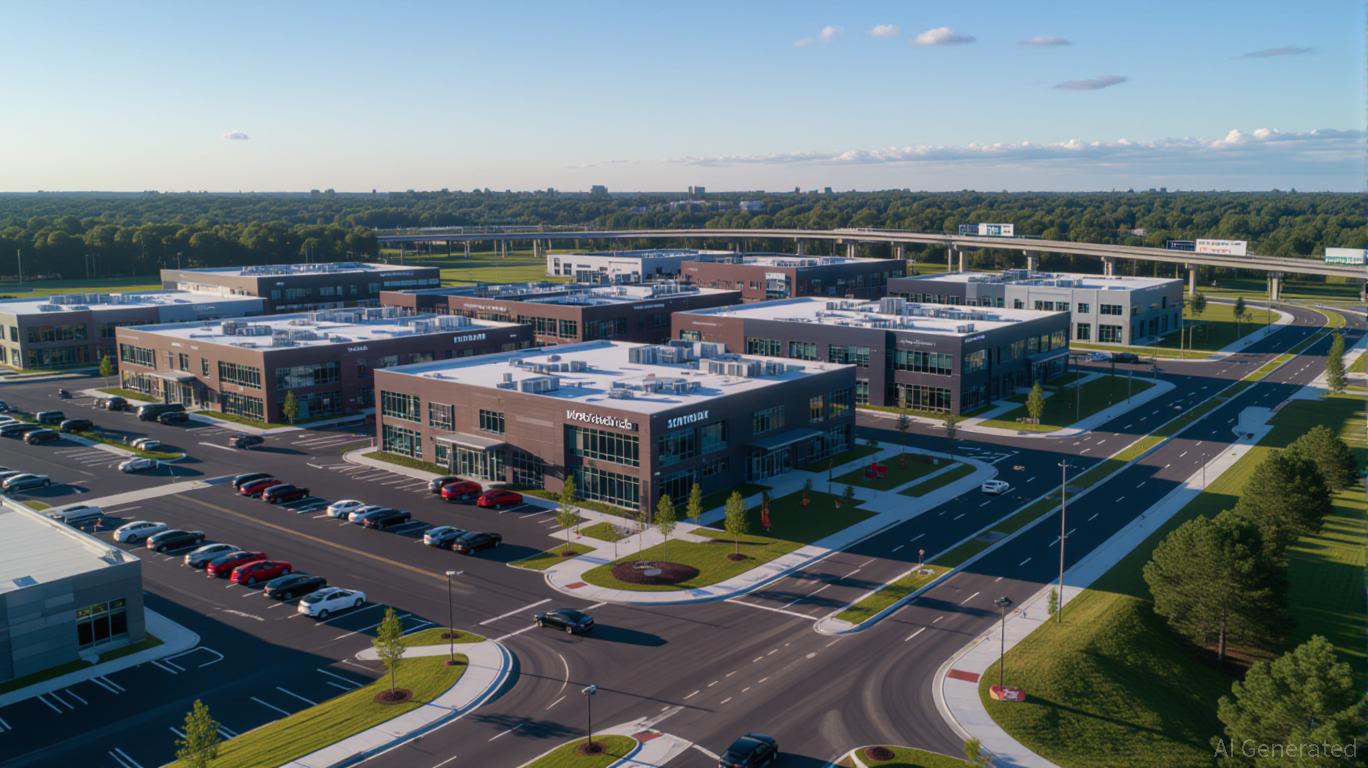
The campus’s location near the I-90 corridor—a major transportation route—further enhances its strategic importance. State incentives add to its competitiveness, making it an attractive alternative to other regional industrial centers. Public-private collaborations have played a crucial role, as seen in the $650 million fairlife® dairy facility, which is projected to generate 250 new jobs and stimulate the local economy. These partnerships highlight how infrastructure investment can drive private sector involvement, leading to job creation and increased property values.
Environmental Stewardship and Sustainable Growth
Environmental cleanup has been integral to the project’s progress. Measures approved by the EPA, such as groundwater purification and bedrock stabilization, ensure the site’s readiness for future use. This commitment to sustainability not only reduces regulatory concerns but also aligns with the growing focus on environmentally responsible industrial development.
Looking Ahead: Setting the Standard for Industrial Redevelopment
The transformation of the Xerox campus illustrates how former industrial sites can be repositioned as valuable assets through strategic planning, infrastructure upgrades, and adaptable land use. For investors, the project underscores the benefits of aligning with state-supported initiatives that lower development hurdles and improve market access. Webster’s experience demonstrates that combining ready-to-use infrastructure, flexible land options, and integrated economic strategies can deliver lasting value in emerging tech-industrial districts.





