
ZEC Experiences Rapid Price Increase: Unveiling the Driving Force of the Cryptocurrency Surge
- Zcash's $9.24B market cap surge by late 2025 stems from strategic upgrades, institutional adoption, and robust on-chain activity. - Institutional investors like Reliance Global Group and proposed ETFs signal growing acceptance of Zcash's hybrid privacy-transparency model. - Network metrics show 1,300% transaction volume spikes, $47.5M fee revenue, and 23% shielded supply, reflecting privacy demand amid compliance needs. - Sustainability concerns arise over ETF centralization risks, speculative FOMO-drive
Zcash’s Remarkable Surge: What’s Fueling the Momentum?
In late 2025, Zcash (ZEC) experienced an extraordinary upswing, with its market value soaring to $9.24 billion. This rapid growth has drawn significant interest from both individual and institutional investors. The question now is whether this marks a lasting transformation for the privacy-centric cryptocurrency, or if it’s simply a speculative bubble. To answer this, it’s essential to examine the underlying factors driving Zcash’s ascent and the broader implications for its future.
Innovative Upgrades and Growing Institutional Interest

Zcash’s recent revival is closely tied to its technological advancements, most notably the implementation of the Orchard shielded pool, which now holds 30% of all ZEC in circulation. By utilizing advanced zero-knowledge proofs (zk-SNARKs), Zcash has managed to strengthen privacy protections while still supporting the transparency expected from blockchain systems.
This hybrid approach—combining Bitcoin’s UTXO model with optional privacy features—has proven attractive to institutions that need to balance regulatory compliance with confidentiality. For example, Reliance Global Group shifted its entire digital asset portfolio into ZEC, citing the protocol’s dual-layer design as ideal for navigating regulatory requirements. Other companies, such as Cypherpunk Technologies, have also allocated substantial resources to ZEC, recognizing its value as a privacy-oriented utility asset.
The introduction of a proposed Zcash ETF, which would convert a trust holding 2.4% of ZEC’s supply into a regulated investment vehicle, further signals mainstream acceptance. While some critics worry this could lead to centralization and dilute privacy, it nevertheless highlights the increasing institutional appetite for privacy-focused cryptocurrencies.
Network Activity: Signs of Robust Growth
On-chain data reveals that Zcash’s network is experiencing record levels of activity. In November 2025, daily transaction counts surged by 1,300%, reaching a peak of 73,862 transactions in a single day. This spike was fueled by trends such as Zerdinals inscriptions and expanded cross-chain functionality, resulting in shielded balances climbing to 4.9 million ZEC—about 23% of the total supply. This uptick suggests that users are increasingly valuing privacy, even as they continue to use transparent transactions for regulatory reasons.
Transaction fees have also seen a dramatic rise, with $47.5 million generated over a 30-day span—a 560% increase that places Zcash among the top earners in fee revenue, just behind networks like Tron and Hyperliquid. This willingness to pay a premium for privacy is notable, especially given the absence of a large decentralized application ecosystem. Meanwhile, Zcash’s mining hashrate has nearly doubled since June 2025, reflecting growing miner confidence and enhanced network security. These trends point to a virtuous cycle: improved privacy features attract more users, increased activity boosts fees, and higher fees incentivize further miner participation.
Is Zcash’s Growth Sustainable?
The central issue is whether Zcash’s current momentum can be maintained. Its flexible model, which allows users to choose between transparent and shielded transactions, sets it apart from privacy coins like Monero that enforce privacy by default. This adaptability has enabled Zcash to appeal to institutional investors while staying true to its privacy-focused mission.
Nonetheless, there are potential pitfalls. The proposed ETF could concentrate a significant portion of ZEC’s supply, raising concerns about centralization and the erosion of decentralization. Additionally, the fact that a relatively small group of users accounts for most transaction activity—transparent senders consistently number between 8,000 and 14,000—raises questions about whether the network’s expansion is being driven by genuine adoption or speculative hype.
Looking Ahead: Lasting Innovation or Temporary Hype?
Zcash’s current trajectory is the result of a unique combination of technological progress, institutional confidence, and strong on-chain performance. The increase in shielded transactions and fee revenue underscores the enduring demand for privacy in the cryptocurrency space. However, the long-term success of Zcash will depend on its ability to preserve decentralization while scaling to meet the needs of larger, institutional players.
For those considering investing, it’s crucial to watch two key indicators: the continued expansion of the shielded pool and the network’s ability to maintain high fee revenues without sacrificing usability. If Zcash can successfully balance these factors, it could establish itself as a vital link between privacy and regulatory compliance in the evolving crypto landscape. For now, the fundamentals support a bullish outlook, but ongoing vigilance is needed to guard against the risks of centralization and speculative excess.
Disclaimer: The content of this article solely reflects the author's opinion and does not represent the platform in any capacity. This article is not intended to serve as a reference for making investment decisions.
You may also like
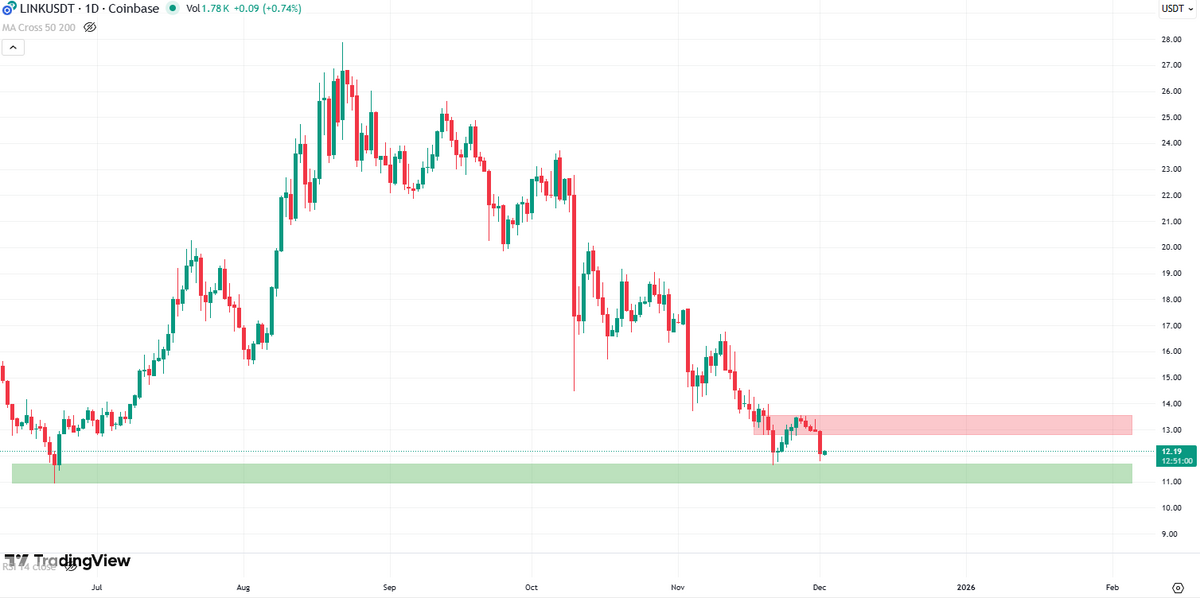
Chainlink ETF Set to Debut as LINK Slips Amid Market Weakness
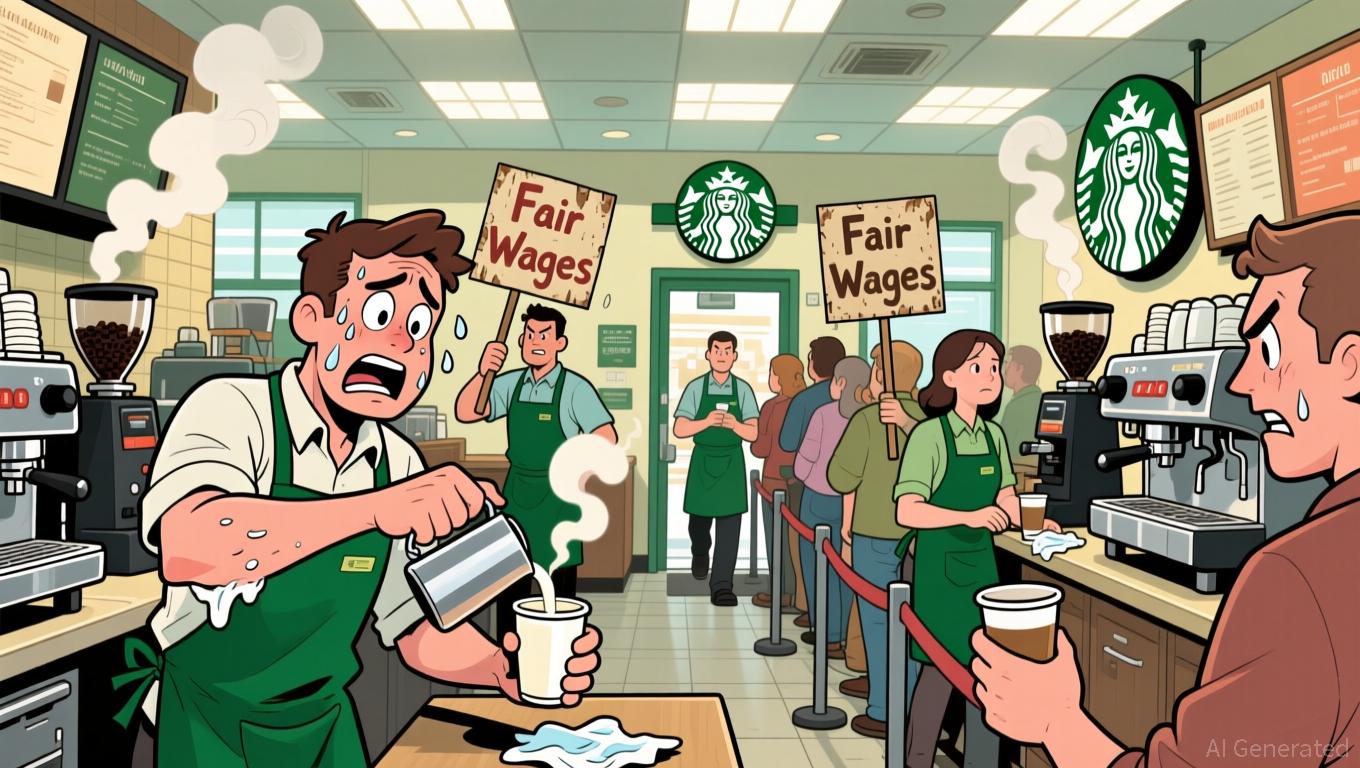
Striking baristas win $38.9 million in compensation, yet contract disputes continue
- Starbucks settles NYC Fair Workweek Law violations for $38.9M, including $35.5M restitution to 15,000+ workers. - Striking baristas demand collective bargaining amid ongoing labor disputes and unionization efforts at 550 stores. - Mayor-elect Mamdani and Sen. Sanders join protests, framing demands as moral issues against corporate resistance. - Settlement addresses 500,000 scheduling violations since 2021, with workers receiving $50/week compensation. - Starbucks defends labor law complexity but faces cr
Alphabet's AI-driven ecosystem accelerates flywheel momentum, driving shares up by 68% in 2025
- Alphabet's stock surged 68% in 2025, outperforming peers like Microsoft and Nvidia , driven by strong AI monetization and cloud growth. - Analysts raised price targets to $375-$335, citing Google Cloud's $15.2B Q3 revenue (34% YoY) and $155B cloud backlog growth. - The company's AI ecosystem spans Search, YouTube, and Workspace, generating premium subscriptions and ad yield through Gemini's 650M MAUs. - Projected cloud revenue could exceed estimates by $40B, but risks include regulatory scrutiny and comp

XRP News Today: Vanguard Changes Position on Crypto ETFs, Pointing to Market Maturity and Increased Demand
- Vanguard Group will enable crypto ETF trading on its platform from December 2, 2025, reversing years of opposition to digital assets. - The firm supports Bitcoin , Ethereum , XRP , and Solana ETFs but excludes memecoins, treating crypto as non-core assets like gold . - Market maturation, $25B+ ETF inflows, and regulatory compliance drive the shift, positioning Vanguard as the last major U.S. broker to adopt crypto ETFs. - The move reflects growing institutional confidence in regulated crypto structures a
Trending news
MoreCrypto prices
More





