
The COAI Token Fraud: An Urgent Warning for Individual Investors in the Cryptocurrency Market
- COAI token's 88% devaluation in late 2025 erased $116.8M, exposing systemic risks in AI-integrated DeFi ecosystems. - Centralized control (87.9% tokens in 10 wallets) and algorithmic stablecoin failures enabled coordinated manipulation and liquidity collapse. - Regulatory gaps allowed cross-border operations in jurisdictions like Southeast Asia, highlighting urgent need for AI-powered oversight and standardized protocols. - Investors must prioritize smart contract audits, transparent governance, and on-c
COAI Token Collapse: Unveiling DeFi’s Structural Weaknesses
In late 2025, the dramatic downfall of the COAI token sent shockwaves through the AI-driven decentralized finance (DeFi) landscape, wiping out $116.8 million in investor assets. This event exposed not only the vulnerabilities of a single project but also highlighted the broader systemic dangers lurking within rapidly evolving DeFi ecosystems.
Bitget’s analysis attributes the token’s staggering 88% loss in value to a blend of excessive centralization, lack of transparent governance, and the failure of algorithmic stablecoins. Rather than being an isolated incident, the COAI debacle serves as a cautionary tale for the entire DeFi sector, urging retail investors to rethink their risk management approaches and engage more deeply with emerging regulatory standards.
Key Threats in DeFi: Centralization and Algorithmic Instability
The COAI incident revealed the perils of centralized control in platforms that claim to be decentralized. Phemex’s findings showed that nearly 88% of the token supply was held by just ten wallets, enabling a small group to manipulate prices and trigger liquidity crises. This concentration of power made it possible for insiders to orchestrate pump-and-dump schemes, leaving everyday investors at a loss.
Additionally, the failure of algorithmic stablecoins—designed to maintain a stable value through automated mechanisms—sparked panic selling and hastened the token’s collapse.
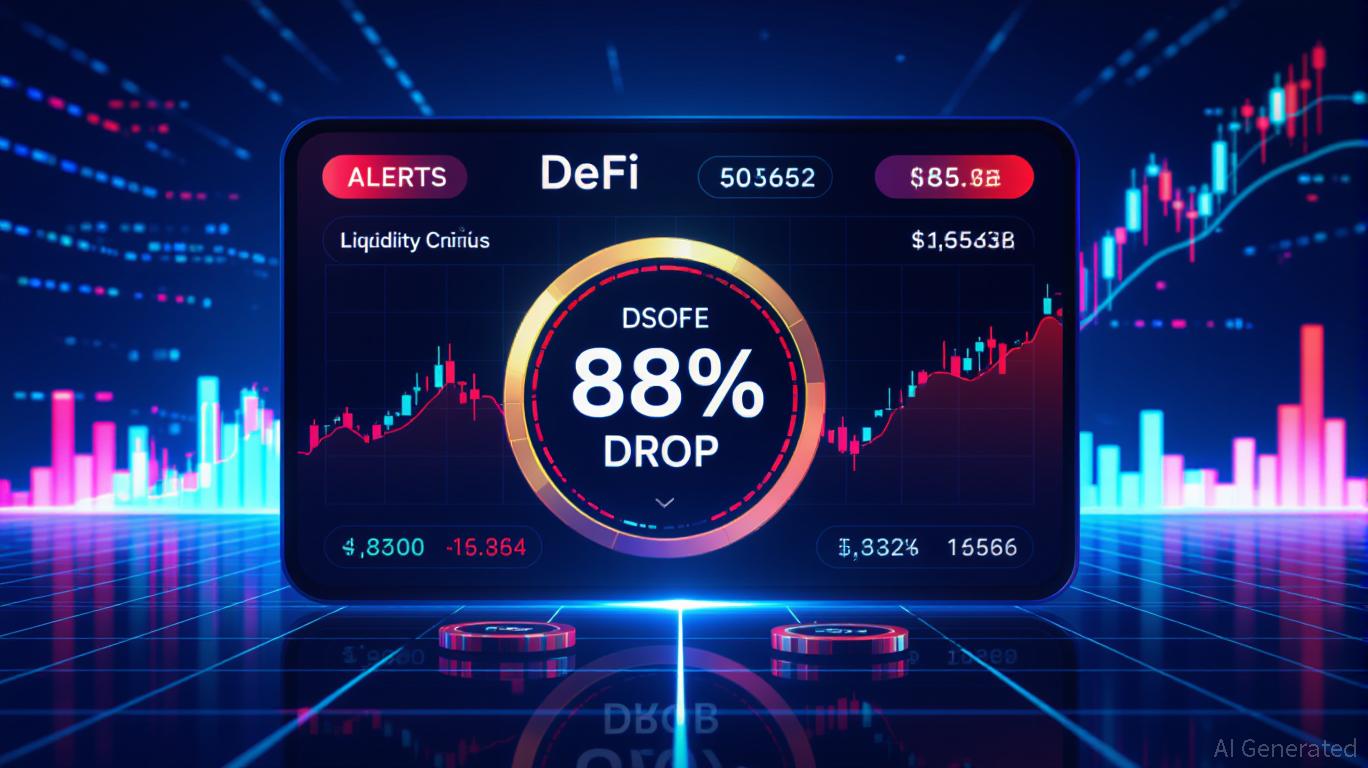
These events underscore a fundamental disconnect: while DeFi projects often promote decentralization, many retain centralized control over critical operations. This contradiction creates opportunities for fraud, especially in regions with limited regulatory enforcement, such as Southeast Asia, where COAI operated in part.
Regulatory Challenges and International Oversight Gaps
The introduction of the U.S. CLARITY Act aimed to bring clarity to crypto regulation, but it fell short in preventing COAI from exploiting legal loopholes. Although authorities responded with sanctions and asset freezes, the lack of coordinated international oversight allowed the project to continue across borders with little resistance. This highlights the ongoing struggle to establish a cohesive regulatory framework capable of tackling cross-border DeFi fraud.
Experts recommend that regulators embrace AI-driven risk assessment tools and standardized procedures to bridge these gaps. Until such measures are widely adopted, investors must take it upon themselves to thoroughly evaluate token distribution models, vesting timelines, and governance mechanisms before committing funds.
Essential Steps for Evaluating DeFi Projects
To better protect themselves, investors should implement the following best practices, as recommended in 2025:
- Transparent Smart Contracts and Independent Audits: Only trust protocols that publish open-source, thoroughly audited code, with reports from reputable firms such as CertiK or Trail of Bits. Avoid projects with closed-source contracts or unresolved vulnerabilities.
- Clear Tokenomics and Decentralized Governance: Assess whether governance tokens might be classified as securities and ensure fair token distribution, transparent vesting, and active on-chain governance.
- Continuous Transaction Monitoring: Utilize on-chain analytics tools to detect suspicious activities, such as wash trading or liquidity manipulation. Protocols should adopt real-time risk monitoring systems.
- KYC/AML Compliance with Privacy Protection: Favor projects that implement privacy-preserving technologies, such as zero-knowledge proofs (ZKPs) and decentralized identity (DID) systems, to balance regulatory compliance with user privacy.
- Community Engagement and Transparent Documentation: Evaluate community sentiment, check for liquidity locks, and review project documentation. Trustworthy protocols maintain open treasuries and encourage active participation through on-chain voting.
Final Thoughts: The Need for Diligence and Industry Reform
The COAI token scandal stands as a stark reminder for both investors and regulators of the risks inherent in DeFi’s complex and fast-moving environment. While comprehensive reforms are essential, individuals must also exercise heightened caution and conduct thorough due diligence. By emphasizing transparency, decentralization, and regulatory compliance, the crypto community can begin to restore confidence in a sector still rife with uncertainty.
References:
[1] COAI Token Scandal Highlights Systemic Risks in DeFi
[2] The COAI Token Fraud and Wider Dangers in Developing [https://www.bitget.com/amp/news/detail/12560605088684]
[3] Navigating Cryptocurrency Frauds: The COAI Token Fiasco
[4] COAI Token Crash Exposes DeFi Risks and Regulatory Gaps
[5] Risk Management in DeFi: Analyses of the Innovative DeFi Tracking Platforms
[6] DeFi Regulatory Compliance 2025: Master SEC & CFTC
[7] How Do Communities Vet New Crypto Projects? A Comprehensive Due Diligence Guide for 2025
Disclaimer: The content of this article solely reflects the author's opinion and does not represent the platform in any capacity. This article is not intended to serve as a reference for making investment decisions.
You may also like
What's Causing the Latest BTC Price Swings: Is It a Macro-Fueled Reevaluation?
- Bitcoin's late 2025 volatility reflects macroeconomic pressures, Fed policy shifts, and regulatory changes impacting institutional demand. - Sharp price swings from $126k to $87k highlight sensitivity to inflation, interest rates, and leveraged trading risks amid delayed economic data. - New U.S. crypto laws and ETF approvals boosted institutional participation, but geopolitical risks and token unlocks maintained uncertainty. - A potential Fed rate cut and stabilizing inflation could reignite risk appeti
The ChainOpera AI Token Collapse: A Cautionary Tale for AI-Powered Cryptocurrency Markets?
- ChainOpera AI (COAI) token's 96% collapse in late 2025 exposed systemic risks in AI-blockchain markets, mirroring 2008 crisis patterns through centralized governance and speculative hype. - COAI's extreme centralization (96% supply in top 10 wallets) and tokenomics (80% locked until 2026) created liquidity crises, undermining blockchain's decentralized ethos. - Regulatory actions intensified post-crash, with SEC/DOJ clarifying custody rules and targeting fraud, yet CLARITY/GENIUS Acts created compliance
Examining the Latest Decline in PENGU Value: Key Drivers and What It Means for Cryptocurrency Investors
- Pudgy Penguins (PENGU) plummeted 30% in late 2025 due to regulatory uncertainty, algorithmic trading triggers, and a $66.6M team activity event. - The collapse exposed systemic risks in crypto, including stablecoin liquidity crises and interconnectedness with traditional finance via ETFs and leverage. - Investors are urged to prioritize diversification, liquidity monitoring, and regulatory compliance to mitigate risks from opaque projects and volatile markets.
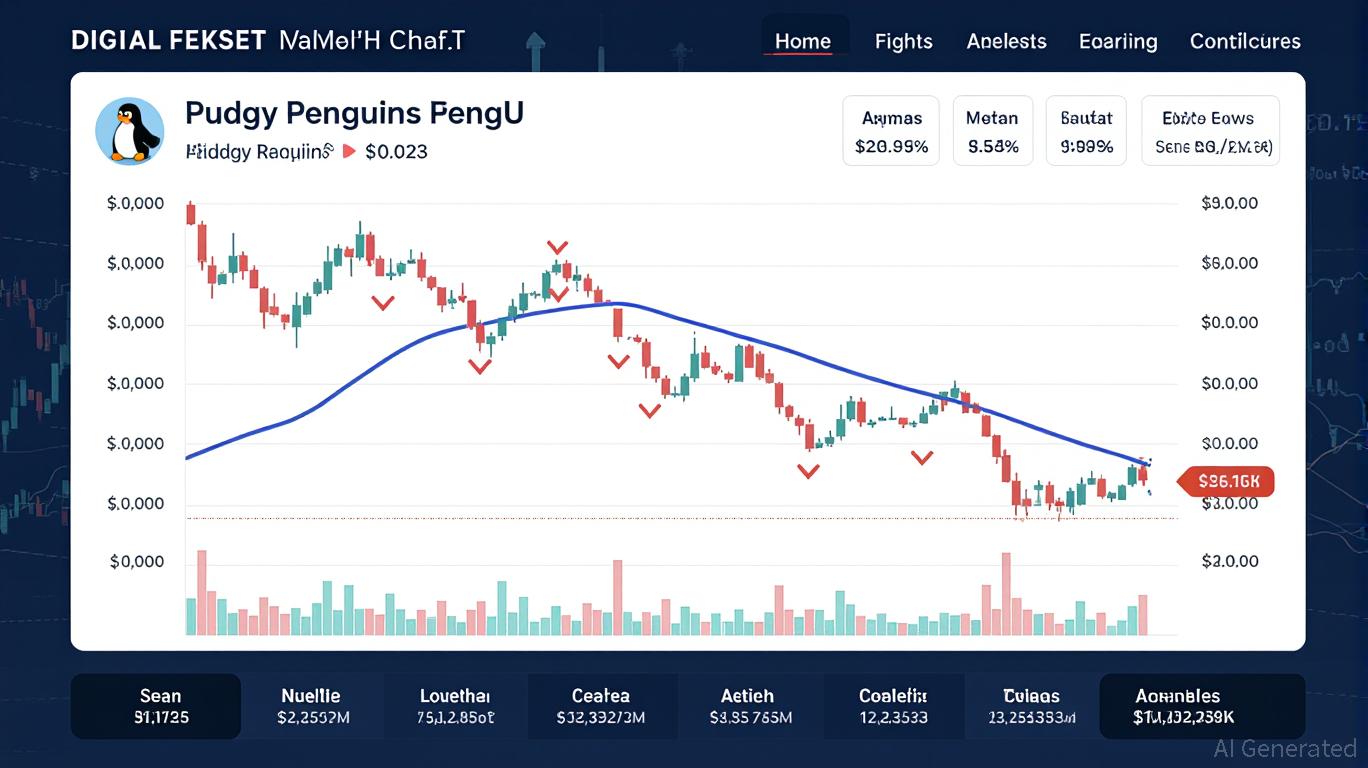
DOGE rises 5.58% over 24 hours following Japan’s introduction of a reform unit focused on efficiency
- Japan launched its Department of Government Efficiency (DOGE) on Dec 2, 2025, to audit and eliminate inefficient tax breaks and subsidies. - The initiative, modeled on but distinct from the U.S. DOGE , emphasizes data-driven reviews and public feedback to redirect funds to priority areas. - Finance Minister Taro Aso stressed alignment with Bank of Japan's monetary policy and fiscal transparency, aiming to restore public trust amid economic challenges. - Reforms targeting outdated subsidies will begin in
Trending news
MoreCrypto prices
More






