XRP News Today: Ripple’s Multiple Revenue Streams Reduce XRP Selling Pressure and Enhance Its Value
Ripple’s Strategic Shift: How RLUSD and New Revenue Streams Benefit XRP
David Schwartz, Chief Technology Officer at Ripple, has unveiled a significant update regarding the company’s changing business approach. His insights challenge previous assumptions about Ripple’s stablecoin RLUSD and its influence on XRP.
For a long time, some observers cautioned that Ripple’s expansion into stablecoins and enterprise services might detract from XRP’s value by drawing attention away from the token. Contrary to these concerns, Schwartz contends that RLUSD and other income-generating ventures actually help alleviate the persistent selling pressure that has historically limited XRP’s price growth.
From XRP Sales to Diversified Revenue
Ripple’s financial model has evolved dramatically since 2018. Back then, the company was largely dependent on selling XRP to fund its operations, which created a negative feedback loop: as revenue dropped, more XRP had to be sold, further depressing its price. Schwartz acknowledged that this reliance on XRP sales raised fears among investors about potential token dumping.
Today, Ripple has diversified its income sources, incorporating RLUSD, enterprise payment solutions, and a global payments infrastructure. This shift has broken the old cycle and reduced the company’s dependence on XRP sales.
RLUSD and XRP: Complementary Roles
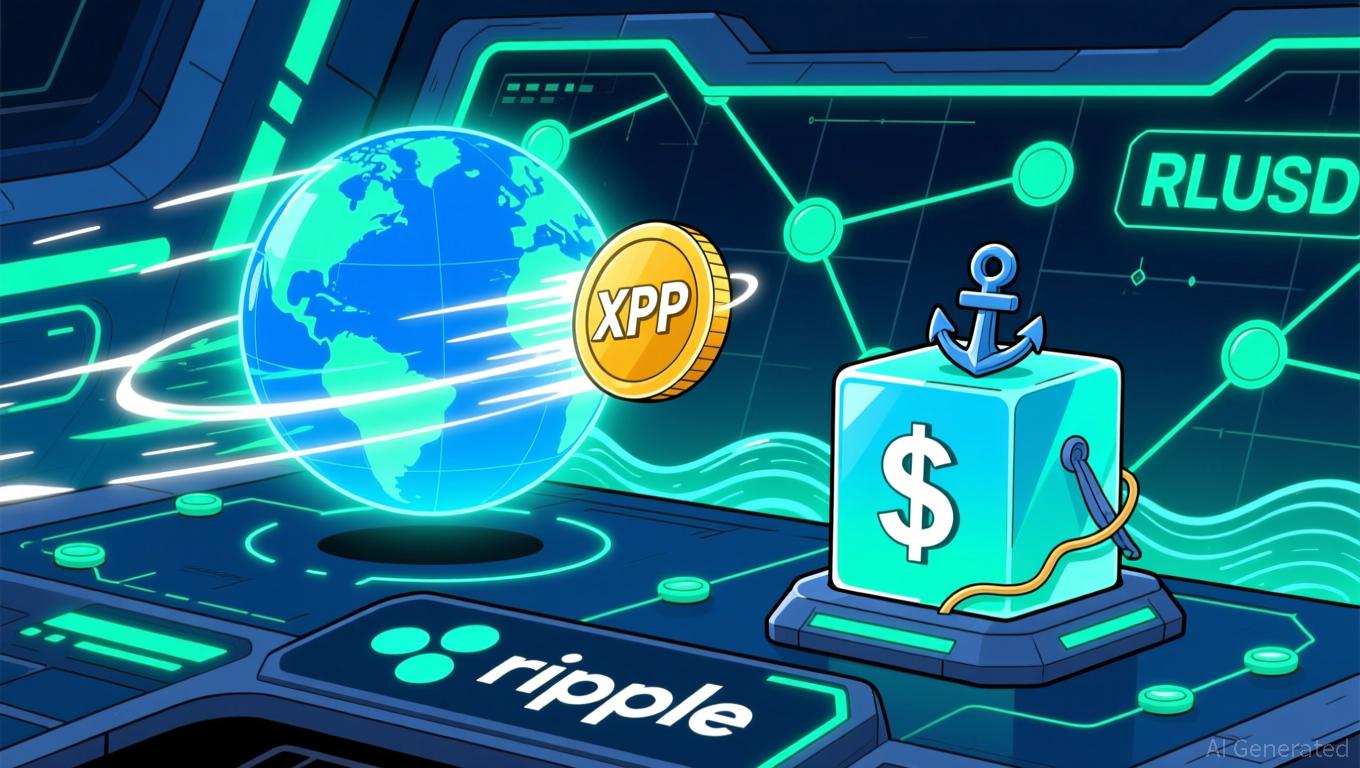
Introduced in 2024, the RLUSD stablecoin is designed to work alongside XRP, not replace it. RLUSD offers a stable, fiat-linked asset for settlements and liquidity, while XRP continues to serve as a fast, cross-border liquidity solution. By earning steady revenue from these offerings, Ripple has established a more resilient financial structure that no longer hinges on selling XRP. Schwartz emphasized that the company’s expanding suite of enterprise services now sustains its operations independently of its token holdings.
Implications for XRP’s Future
This transformation carries major consequences for XRP’s long-term prospects. With Ripple’s revenue now coming from multiple sources, the need to sell XRP to cover expenses has been eliminated, removing a major source of downward price pressure. Market analysts note that a profitable Ripple is less likely to liquidate its XRP reserves, reinforcing the token’s utility within the ecosystem rather than using it as a funding mechanism. Schwartz described this as a pivotal moment, marking Ripple’s departure from its previous dependency on XRP sales and moving toward a robust, enterprise-focused foundation.
Market Outlook
The wider crypto community is starting to acknowledge this progress. By reducing structural sell-pressure, Ripple’s innovations could unlock new opportunities for XRP, solidifying its status as a key utility token in a diverse financial landscape. For investors, the message is clear: Ripple’s ability to grow without relying on XRP sales strengthens the token’s value and future potential.





