Xerox Campus Transformation in Webster, NY: Revealing Hidden Value in Real Estate and Infrastructure
Revitalizing the Xerox Campus: A Model for Urban Renewal
The redevelopment of the Xerox campus in Webster, NY, stands as a powerful example of how coordinated efforts between local government, public funding, and private enterprise can breathe new life into underused properties. By transforming a 300-acre brownfield into a thriving center for advanced industry, Webster is setting a precedent for urban regeneration that aligns with broader economic ambitions. This initiative presents investors with a distinctive chance to benefit from real estate and infrastructure investments, as evidenced by increasing property values and a drop in industrial vacancies.
Driving Growth Through Infrastructure Investment
Central to Webster’s transformation is a $9.8 million FAST NY grant dedicated to upgrading essential infrastructure on the former Xerox site. These funds are being used to enhance roads, expand sewer systems, and modernize the electrical grid, all with the goal of making the campus ready for high-tech manufacturing and logistics operations by 2025. Such foundational improvements are crucial for attracting private investment, as they lower risks and create a welcoming environment for business growth. This grant is part of a larger $51 million initiative aimed at fostering sustainable economic expansion throughout Upstate New York, making the campus an appealing prospect for long-term industrial development.
Optimizing Land Use Through Municipal Collaboration
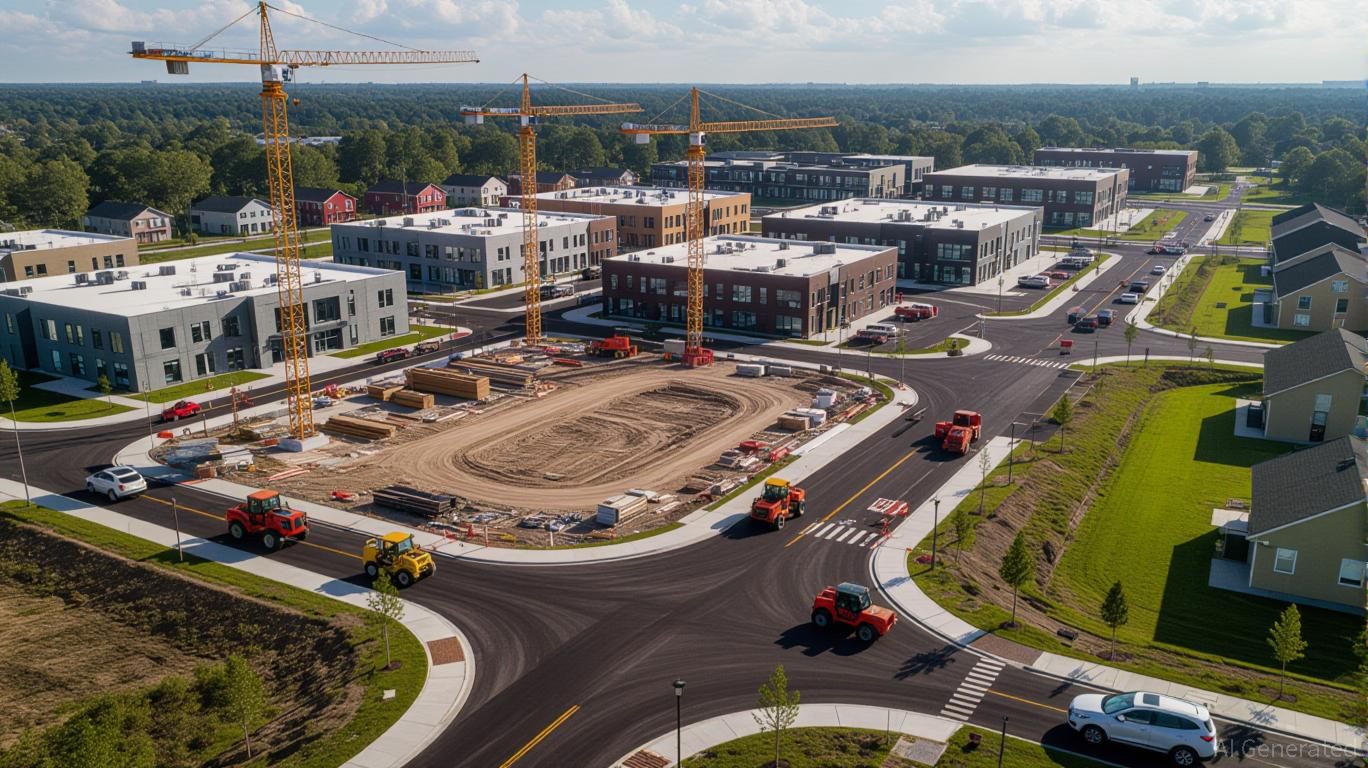
Another key aspect of the project involves adjusting municipal boundaries to facilitate smoother land transactions. Xerox is working to realign parcel lines so that subdivided lots are entirely within either the Village or Town limits. This strategic adjustment, supported by local authorities, simplifies zoning and accelerates the permitting process, removing common obstacles that can hinder industrial projects. By aligning local governance with development objectives, Webster is demonstrating how municipalities can actively support economic progress.
Private Investment: The fairlife® Dairy Plant and Future Growth
The private sector’s commitment is highlighted by the $650 million fairlife® dairy facility, a flagship project expected to create 250 new jobs and commence operations by the end of 2025. Alongside plans for nearly one million square feet of new industrial space, this investment underscores the site’s appeal to high-value industries. The dairy plant’s decision to locate here is a direct result of recent infrastructure improvements and the campus’s proximity to major transport routes. This synergy between public investment and private enterprise creates a positive feedback loop, where each new project enhances the site’s overall value and attractiveness.
Market Trends and Investment Outlook
Early results from these efforts are already visible. Home values in Webster have climbed by 10.1% year-over-year, while industrial vacancy rates have dropped to just 2%, indicating strong demand and limited supply. The coordinated approach to infrastructure upgrades and private sector engagement positions the Xerox campus as a promising growth area. The ongoing collaboration between public and private stakeholders is fostering an environment where industrial redevelopment is driving sustained value creation.
Why Early Investment Matters
For those looking to invest in undervalued real estate or infrastructure, the Xerox campus project in Webster offers a rare blend of supportive municipal policies, robust public funding, and strong private sector interest. The transformation from a neglected brownfield to a cutting-edge industrial center serves as a blueprint for cities aiming to unlock hidden potential through public-private partnerships. Early involvement—whether through land acquisition, infrastructure financing, or development alliances—could yield significant rewards as the region’s economic momentum accelerates. Webster’s strategy provides a clear path for sustainable, asset-focused growth in today’s evolving economic landscape.





