COAI Token Fraud Aftermath: Dangers and Warning Signs in New Cryptocurrency Ventures
COAI Token Collapse: Lessons for Crypto Investors
In late 2025, the dramatic downfall of the COAI Token sent shockwaves through the cryptocurrency world, serving as a stark warning for those navigating the volatile digital asset space. With its value plummeting by 88%, investors collectively lost over $116.8 million. This event exposed deep-rooted issues within algorithmic stablecoins, flawed governance, and unclear regulatory oversight. The COAI incident highlights a broader pattern of risk in emerging crypto ventures, where lack of transparency, centralized authority, and regulatory loopholes create opportunities for misconduct. Rather than being an isolated event, COAI’s story reflects the urgent need for thorough research and caution in the crypto market.
COAI Token: Exposing Systemic Weaknesses
The unraveling of COAI Token was driven by a combination of centralized control over token supply, governance missteps, and ambiguous legal standing. Blockchain analysis showed that nearly 88% of COAI tokens were held by just ten wallets, making the project vulnerable to manipulation and liquidity crises. This concentration of power contradicted the project’s claims of decentralization and was a warning sign long noted by industry observers.
Further complicating matters, governance breakdowns at infrastructure providers such as C3.ai intensified the crisis. Technical shortcomings and inflated valuations in the AI and crypto sectors eroded confidence among participants.
Unclear regulatory guidelines made matters worse. The inconsistent application of the U.S. CLARITY Act left projects like COAI operating in a legal gray zone, exploiting gaps in oversight. By the time authorities stepped in—freezing S$150 million in Singapore and imposing sanctions in the U.S. and U.K.—the damage was irreversible. Southeast Asia, already notorious for crypto-related scams, became central to the scandal, with high-profile cases like She Zhijiang’s alleged $10 billion annual fraud underscoring the region’s vulnerabilities.
Warning Signs Investors Shouldn’t Ignore
The COAI Token collapse mirrored several red flags that experts had highlighted throughout 2025:
- Highly Concentrated Token Holdings: Projects where a handful of wallets control most of the supply are susceptible to manipulation. In COAI’s case, 96% of tokens were held by just ten addresses.
- Anonymous Project Teams: When the identities of developers are hidden, accountability and long-term sustainability are called into question.
- Weak Tokenomics: COAI’s economic model lacked genuine utility, relying solely on speculation—a trait regulators like FINRA have identified as a precursor to fraudulent activity.
- Dependence on Centralized Exchanges: The listing of COAI on major exchanges, despite governance concerns, suggested a lack of due diligence by these platforms.
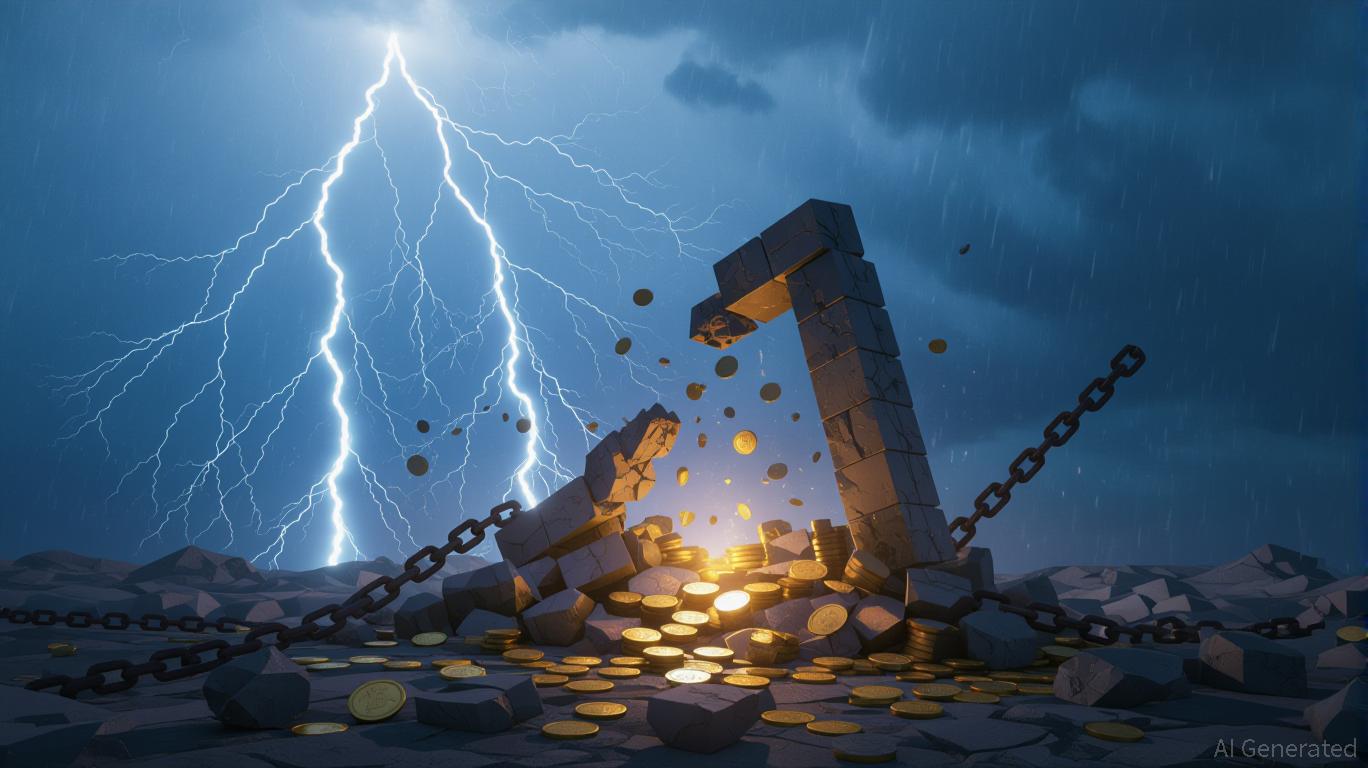
These issues are not unique to COAI. In 2025, FINRA warned about the dangers of relying on third-party vendors and manipulative trading practices, urging investors to be vigilant about unsustainable project models.
How Investors Can Protect Themselves: A Due Diligence Checklist
The COAI Token debacle reinforces the importance of a disciplined, methodical approach to investing in cryptocurrencies. Consider the following strategies to safeguard your investments:
- Technical and Financial Evaluation: Examine the project’s codebase, development activity, and practical applications. Utilize analytics tools such as Nansen and Token Terminal to assess liquidity and token distribution.
- Assess Tokenomics: Ensure the token serves a real purpose and is built on a sustainable economic model. Be wary of projects with inflationary or pyramid-like structures.
- Regulatory and Governance Review: Confirm that the project complies with relevant regulations, such as the European MiCA framework or the UAE’s crypto laws. Investigate the transparency and decentralization of governance processes—centralized models, like COAI’s, are inherently risky.
- Team and Community Verification: Research the backgrounds and credibility of key team members. Anonymous developers should be a major warning sign. A healthy project encourages open communication and transparency; excessive hype or unverifiable claims should prompt skepticism.
- Risk Management Tools: Monitor projects in real time using platforms like Token Terminal, which provide financial metrics such as revenue and P/E ratios for crypto protocols. In the event of suspected fraud, promptly report to authorities and use asset tracing services.
The Changing Landscape: Evolving Threats in Crypto
The COAI Token’s failure is part of a broader shift in the crypto market. As the industry matures, so do the tactics of bad actors. Sophisticated scams—including romance cons, “pig butchering” schemes, and AI-powered phishing attacks—are increasingly targeting unsuspecting investors. For instance, a businessman in California lost $700,000 to a crypto romance scam, while an Australian was defrauded of $64,000 in a similar scheme. These incidents highlight the need for a more strategic, evidence-based approach to investing, moving away from speculative risk-taking.
Final Thoughts
The COAI Token scandal serves as a crucial reminder for everyone involved in the crypto space. While the potential for innovation remains high, so do the risks. Investors must approach due diligence as an ongoing process—marked by skepticism and continuous verification—rather than a one-time checklist. As regulatory standards improve and blockchain analytics become more accessible, the responsibility to safeguard investments ultimately lies with individuals. As one industry leader put it: “Trust, but verify—and do so regularly.”





