The transformation of the Xerox campus in Webster, NY: Unlocking strategic potential in the industrial property market
Xerox Webster Campus: A New Era for Industrial Investment
The transformation of Xerox’s campus in Webster, New York, marks a unique intersection of public infrastructure funding and corporate real estate strategy, presenting an attractive prospect for those interested in industrial property investment. Backed by a $9.8 million FAST NY Shovel-Ready Grant, significant improvements are underway at both the Xerox site and the neighboring NEAT property. Nearly 300 acres and over one million square feet of industrial facilities are being reimagined as a cutting-edge center for advanced manufacturing, reflecting a broader shift in Upstate New York’s industrial sector. This initiative, which combines Xerox’s operational consolidation and asset sales, highlights a regional pivot toward high-growth industries and the use of public-private partnerships to minimize development risks.
Infrastructure Investment: Driving Industrial Growth
The FAST NY grant is enabling essential upgrades—such as new roads, modernized sewer systems, and comprehensive electrical planning—to ready the Xerox campus for future manufacturing needs. These enhancements support Governor Kathy Hochul’s goal of building “sustainable economic ecosystems,” with a focus on sectors like semiconductors and renewable energy. For investors, these infrastructure projects significantly boost the site’s attractiveness to major tenants and help offset the typical costs and challenges of redeveloping older industrial properties.
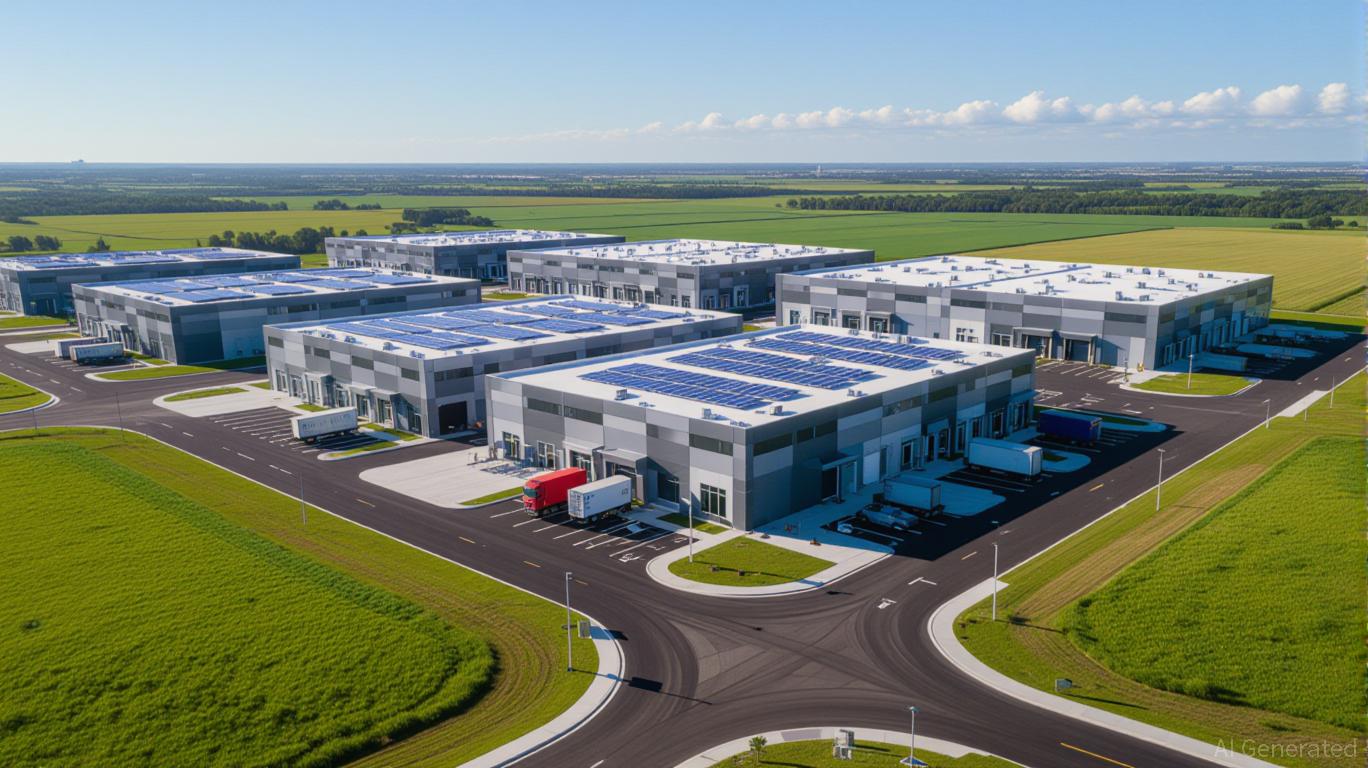
Webster’s industrial real estate market is already feeling the impact: vacancy rates are projected to drop to just 2% in 2025, far below the national average of 7.3%. The area’s competitive edge is further strengthened by affordable energy, a skilled workforce, and attractive tax incentives. These factors have drawn major investments, such as the $650 million fairlife® dairy facility, expected to generate 250 new jobs. By addressing both physical and regulatory obstacles, the FAST NY grant is making it easier for investors to tap into previously overlooked assets, positioning Webster as a prime destination for capital in a market with limited supply.
Xerox’s Real Estate Strategy: Unlocking New Potential
As Xerox consolidates its operations at the Webster campus, more than one million square feet of industrial space has become available. While the company hasn’t formally announced a divestment plan, its emphasis on efficiency and cost savings points to a broader restructuring of its property holdings. This is already evident, with three campus buildings recently sold, indicating a readiness to monetize surplus assets.
This scenario presents a dual advantage for investors. First, the availability of well-maintained, state-supported industrial space streamlines the acquisition process and reduces costs. Second, a $203,130 Brownfield Opportunity Area grant from the Webster Community Coalition for Economic Development is helping to resolve environmental issues, paving the way for redevelopment. These public investments lower barriers to entry, allowing investors to acquire properties at favorable prices with a clear redevelopment path.
Market Trends and Corporate Activity
Several factors are fueling demand for industrial real estate in Webster. The state’s $283 million commitment to expanding Upstate New York’s industrial base—part of a nationwide effort to strengthen supply chains—has made the region a key player in advanced manufacturing. Webster’s proximity to Buffalo’s port and rail infrastructure further enhances its appeal for logistics and production operations.
Corporate interest is already strong. The fairlife® dairy project, supported by both public and private funding, demonstrates how infrastructure improvements can attract significant investments. Additionally, the NY Forward Program’s $4.5 million in funding for downtown revitalization is improving the overall business climate, making Webster even more attractive for companies seeking both industrial capacity and community amenities. These developments indicate that the region’s industrial property market is being shaped by lasting structural changes, not just short-term demand.
Key Takeaways for Investors
The redevelopment of the Xerox campus offers a model for how municipal grants and corporate realignment can create exceptional investment opportunities. Key benefits for investors include:
- Reduced Risk: State-funded infrastructure and environmental remediation lower the financial and regulatory hurdles typically associated with industrial redevelopment.
- Strong Demand: Low vacancy rates and a focus on high-value sectors like advanced manufacturing ensure that new properties will attract top-tier tenants.
- Public-Private Collaboration: Programs like FAST NY and NY Forward align private investment with public incentives, accelerating project completion and enhancing returns.
However, timing is crucial. With infrastructure upgrades expected to finish by mid-2026, investors should move quickly to secure assets before the market becomes saturated. Those who act early—whether by acquiring Xerox’s surplus properties or partnering with local developers—stand to gain the most as Webster cements its role in Upstate New York’s industrial resurgence.
Conclusion
The Xerox campus in Webster is more than just a corporate facility—it exemplifies a broader transformation in the region’s industrial real estate landscape. By leveraging public infrastructure funding and strategic asset management, investors can access a market where limited supply, strategic location, and supportive policies combine to create outstanding value. As New York continues to prioritize ready-to-develop sites and advanced manufacturing, Webster’s revitalized industrial properties are set to deliver returns that surpass traditional benchmarks. For forward-thinking investors, this is not merely an opportunity, but a pivotal moment in the economic evolution of Upstate New York.





