South Africa's Central Bank Drops CBDC Plans to Address Stablecoin Threats
South Africa Shifts Digital Currency Strategy
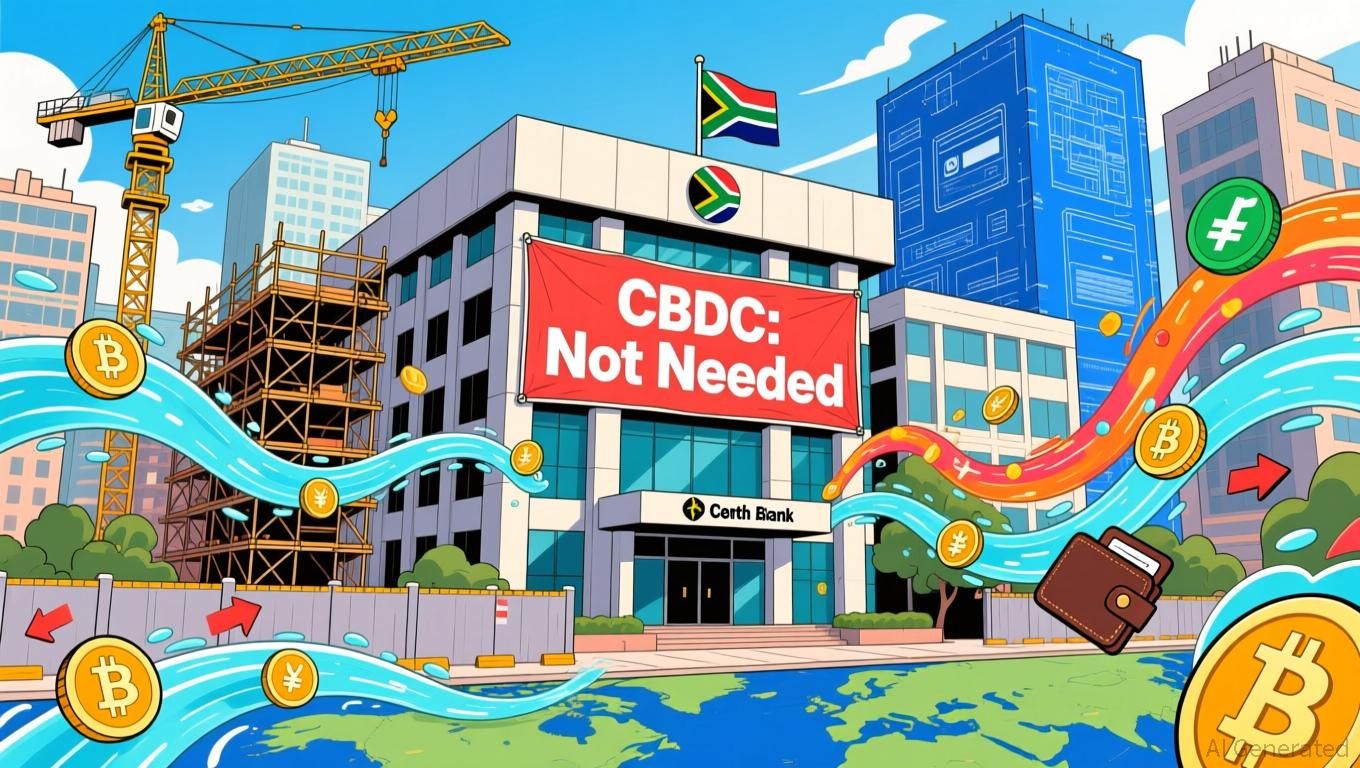
The South African Reserve Bank (SARB) has decided to halt its pursuit of a retail central bank digital currency (CBDC), opting instead to concentrate on enhancing the nation’s payment systems and managing the risks associated with private digital assets. According to SARB, there is currently no necessity for a retail CBDC. The bank is now prioritizing improvements to cross-border payment mechanisms and investigating the use of digital currencies for wholesale financial transactions.
This policy change comes as authorities grow increasingly concerned about the swift rise of cryptocurrencies and stablecoins. SARB has cautioned that these digital assets could potentially weaken existing financial regulations and the country’s exchange controls.
Stablecoins Dominate South African Crypto Market
In its latest Financial Stability Review, SARB noted a significant transformation in the local crypto landscape. Stablecoins—especially those linked to the U.S. dollar—have surpassed more volatile cryptocurrencies as the primary instruments traded in South Africa. By October 2024, stablecoin trading volumes had soared to nearly 80 billion rand (approximately $4.6 billion), a dramatic increase from less than 4 billion rand in 2022. The central bank attributes this surge to the relative price stability of stablecoins compared to cryptocurrencies like Bitcoin and Ethereum, making them more attractive to traders.
Regulatory Gaps and Systemic Risks
South Africa’s three leading crypto exchanges—Luno, VALR, and Ovex—have collectively registered 7.8 million users, with custodial holdings reaching $1.5 billion as of July 2025. Despite this rapid growth, SARB has highlighted significant systemic risks stemming from insufficient regulatory oversight. The Financial Stability Board recently pointed out that South Africa lacks a comprehensive framework for global stablecoins and only has partial regulations in place for cryptocurrencies. SARB officials have warned that the cross-border nature of digital assets enables them to circumvent the country’s strict exchange control regulations, posing potential threats to financial stability if left unregulated.
Developing New Regulatory Measures
To tackle these emerging risks, SARB is working alongside the National Treasury to develop new policies for monitoring international crypto transactions and incorporating digital assets into the regulatory system. Herco Steyn, SARB’s lead macroprudential specialist, stressed that effective oversight is impossible without a robust regulatory framework. The central bank also warned that advancements in technology, such as artificial intelligence and quantum computing, could introduce further challenges in the future.
Global Context and Future Outlook
SARB’s move to deprioritize a retail CBDC mirrors a broader international trend, with countries like the United States also scaling back their retail CBDC initiatives in favor of regulating stablecoins and cryptocurrencies. South Africa’s renewed emphasis on upgrading its payments infrastructure demonstrates a commitment to modernizing the financial system while proactively addressing the risks posed by unregulated digital assets.






