Breaking Down Blockchain Barriers: Avail's Nexus Brings Together Liquidity and Execution
Avail Unveils Nexus: A Unified Cross-Chain Infrastructure for Web3
Avail has introduced Nexus, a groundbreaking cross-chain platform designed to unify liquidity and user activity across leading blockchain networks. Rather than functioning as a simple bridge, Nexus positions itself as the backbone for Web3 execution, seamlessly connecting rollups, appchains, and decentralized applications within a single, integrated environment. This innovation marks the first instance where Web3 participants can access a coordinated, liquidity-aware network, allowing developers and users to interact across multiple ecosystems without the usual fragmentation or dependence on conventional bridging solutions.
Nexus tackles persistent issues in blockchain interoperability, where isolated networks and risky bridging methods have limited both user experience and developer creativity. By utilizing an intent-solver architecture, the platform enables users to specify their desired outcomes, while the system automatically determines the most efficient execution paths, liquidity sources, and transaction routes. This eliminates the need for manual bridging, complex gas token swaps, and fragmented liquidity management, resulting in smoother transactions and reliable results regardless of where assets are held. Notable features include aggregation of liquidity from multiple sources, precise execution, and unified verification powered by Avail’s data availability layer, which ensures verifiable cross-chain operations.
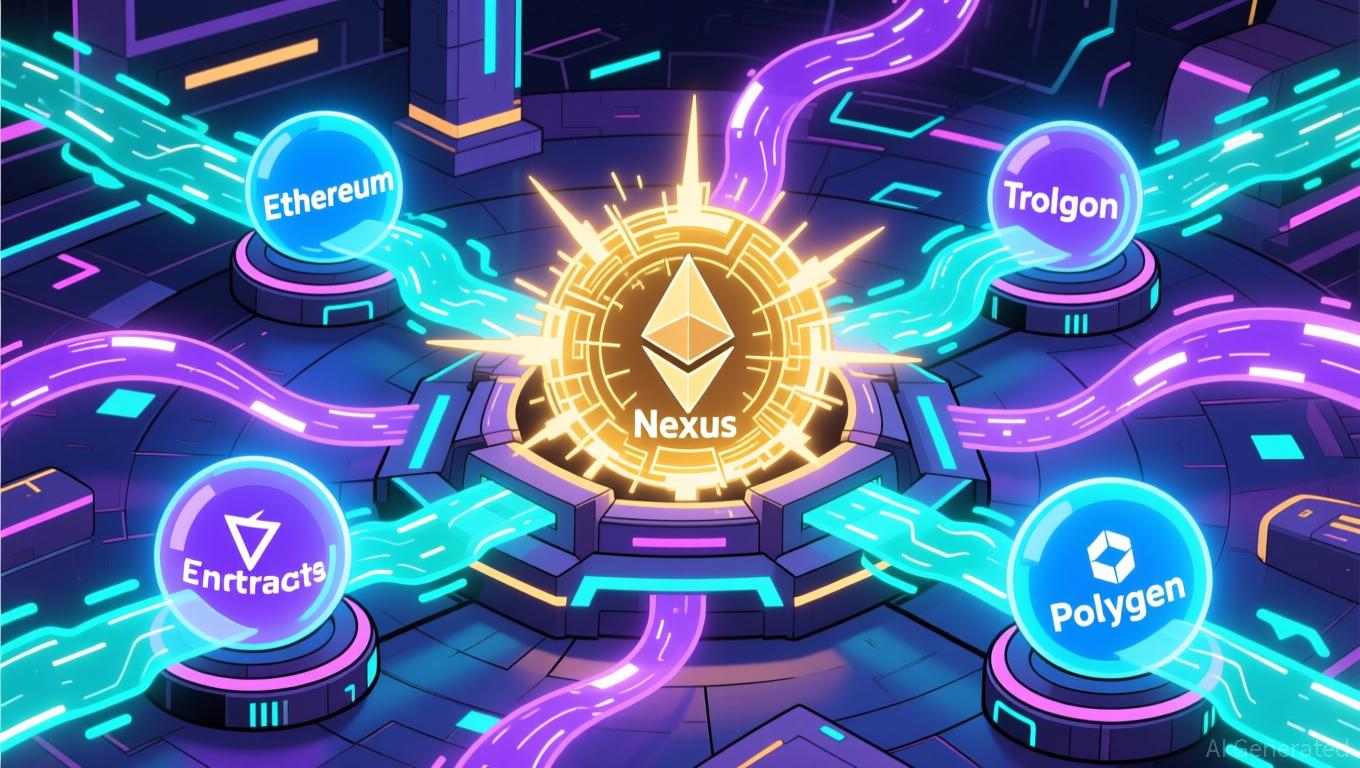
For end users, Nexus delivers a consistent experience across different blockchains, granting access to a wider range of applications and deeper liquidity pools without the need to navigate the complexities of individual chains. Developers benefit from simplified integration through SDKs, APIs, and modular components, dramatically reducing the time and resources required to build multichain applications. Prabal Banerjee, Avail’s co-founder, highlighted that Nexus transforms cross-chain execution from a fragmented challenge into a unified, composable process, making liquidity and execution accessible network-wide rather than being confined to specific chains.
Supported Networks and Early Integrations
Nexus is already live on major blockchains including Ethereum, Tron, Polygon, Base, Arbitrum, Optimism, BNB Chain, and more, with plans to add Solana integration soon. Early partners include DeFi platforms like Lens Protocol, infrastructure providers such as Sophon, and cross-chain tooling projects like Space & Time. These collaborations enable innovative use cases such as unified collateral management for DeFi, intent-driven trading across liquidity venues, and aggregation of liquidity across multiple chains. The $AVAIL token acts as the network’s coordination asset, powering cross-chain transactions and incentivizing participation.
Looking Ahead: Infinity Blocks Roadmap
Avail’s Infinity Blocks roadmap aims to support high-throughput appchains with targeted block sizes of up to 10 GB, while ensuring that cross-chain data remains verifiable and secure.
Industry Impact and Future Outlook
Experts in the field see Nexus as a transformative solution for blockchain interoperability, addressing the fragmentation that has hindered broader adoption. By simplifying technical barriers and focusing on user intent, Avail’s Nexus has the potential to reshape the way decentralized applications are developed and utilized, paving the way for a more unified and efficient onchain ecosystem.





