The Influence of City Infrastructure Funding on the Value of Commercial Properties: Insights from Webster, NY
Webster, NY: From Brownfield to High-Tech Industrial Center
The remarkable transformation of Webster, New York, into a thriving center for advanced industry highlights the significant impact that municipal infrastructure funding can have on commercial property values. Through initiatives such as the FAST NY Shovel-Ready Grant and the Brownfield Opportunity Area (BOA) program, Webster has revitalized a 300-acre former Xerox site, turning it into a prime, development-ready industrial district. This example demonstrates how targeted infrastructure improvements and collaborative public-private efforts can drive economic expansion and boost real estate worth.
Enhancing Land Potential Through Infrastructure Investment
With the help of a $9.8 million FAST NY grant, Webster has focused on upgrading essential infrastructure to make land more adaptable for development. Improvements including road redesign, expanded sewer capacity, and comprehensive electrical planning have converted previously neglected land into a versatile resource. These enhancements are expected to pave the way for nearly one million square feet of new industrial facilities by 2026, drawing in manufacturers and logistics companies. By overcoming challenges like outdated utilities and disjointed roadways, Webster has unlocked opportunities for large-scale, mixed-use projects.
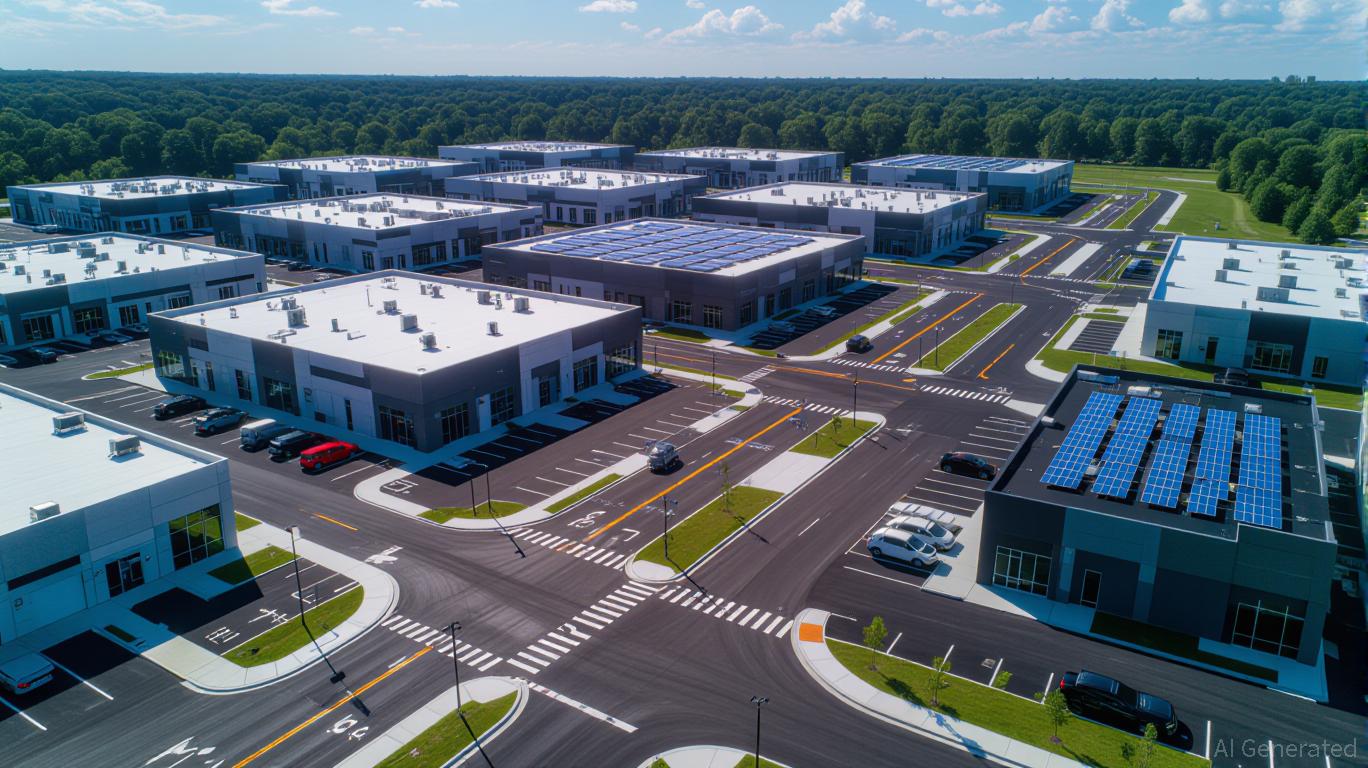
Rezoning the Xerox property through the BOA initiative has further increased its appeal, attracting both institutional investors and private developers. Notably, the $650 million fairlife® dairy plant, a major new tenant, is set to create 250 jobs by 2025. This approach shows how infrastructure-led land improvements not only expand the supply of buildable sites but also meet the needs of modern industries.
Modernizing Power Infrastructure to Attract Industry
Dependable energy systems are essential for industrial growth, and Webster’s commitment to upgrading its electrical grid has made it a destination for energy-intensive businesses. The $300 million POWER UP program, a statewide initiative, ensures that sites like the former Xerox campus can support the power requirements of advanced manufacturing sectors, including semiconductor and clean technology firms. These upgrades reduce operational risks and lower long-term costs for tenants, making the area even more attractive.
The results are clear: industrial vacancy rates in Webster have dropped to just 2%, well below the national average of 8.5%. This limited availability has heightened competition among developers. Xerox’s own $1.8 million investment in road improvements has further improved site access, reinforcing the district’s desirability. The synergy between public and private investments in power infrastructure has created a cycle of rising demand and increasing property values.
Municipal Improvements and Broader Economic Benefits
Webster’s efforts to reconfigure municipal lines—such as expanding roads and upgrading wastewater treatment—have extended economic benefits beyond the industrial sector. Projects like a $20 million wastewater system enhancement and a $28.25 million bond for a new Highway Department facility demonstrate the town’s dedication to sustainable growth. These initiatives not only support industry but also enhance living standards for residents, indirectly increasing demand for local real estate.
Recent data reflects these positive effects: residential property values in Webster have climbed by 10.1% over the past year, and median household income has grown by 4.31% since 2020. These spillover benefits are vital for long-term investment stability, as they foster a strong market for both commercial and residential properties. Additionally, Webster’s proximity to Buffalo’s port and rail infrastructure, combined with these upgrades, has established the town as a key logistics center and diversified its economic foundation.
Public-Private Collaboration: Driving Scalable Progress
Webster’s achievements are rooted in its effective use of public funding to attract private investment. The combination of the FAST NY grant, BOA program tax incentives, and regulatory flexibility has lowered financial hurdles for developers. For example, the fairlife® facility’s substantial investment was made possible by the assurance of reliable, pre-approved infrastructure, reducing initial costs for private partners. This model illustrates how public-private partnerships can stretch limited public resources further, benefiting both the community and investors.
Nonetheless, some challenges persist. Temporary declines in employment—such as a 2.32% drop in 2023 due to redevelopment—highlight the importance of phased project implementation to minimize short-term disruptions. Still, the overall trend of rising incomes, job creation, and property values demonstrates the strength and resilience of infrastructure-focused growth strategies.
Looking Ahead: Lessons for Future Development
Webster, NY, serves as a powerful example of how municipal infrastructure grants can drive up commercial property values through thoughtful planning and investment. By focusing on land adaptability, energy readiness, and municipal upgrades, the town has turned a former brownfield into a magnet for high-value industries. Public-private incentives, especially those offered by the BOA and POWER UP programs, have played a crucial role in accelerating this transformation.
For investors, Webster’s experience highlights the importance of aligning real estate strategies with ongoing infrastructure improvements. As states continue to invest in industrial modernization—such as New York’s $300 million POWER UP initiative—communities that effectively utilize these resources are poised to see significant gains in property values and economic output. Webster’s journey from neglected site to industrial powerhouse offers a scalable roadmap for other regions aiming to thrive in the era of advanced manufacturing.





