Bitcoin News Update: Crypto’s Wild Downturn Fueled by Structural Flaws, Not Core Fundamentals
Crypto Markets Face Heightened Turbulence
The cryptocurrency sector is experiencing significant instability, with major assets such as Bitcoin, Ethereum, and XRP suffering sharp declines. This downturn is fueled by a combination of low trading volumes, unprecedented levels of leverage, and mounting global economic challenges. The overall market capitalization has slipped beneath the $3 trillion threshold, and within just one hour, nearly $400 million in leveraged long positions were wiped out—highlighting the market’s current vulnerability.
Experts point to inherent structural flaws as the primary drivers behind the recent selloff, rather than any fundamental changes. They caution that the typically lower liquidity during weekends has intensified price volatility, making the market even more unpredictable.
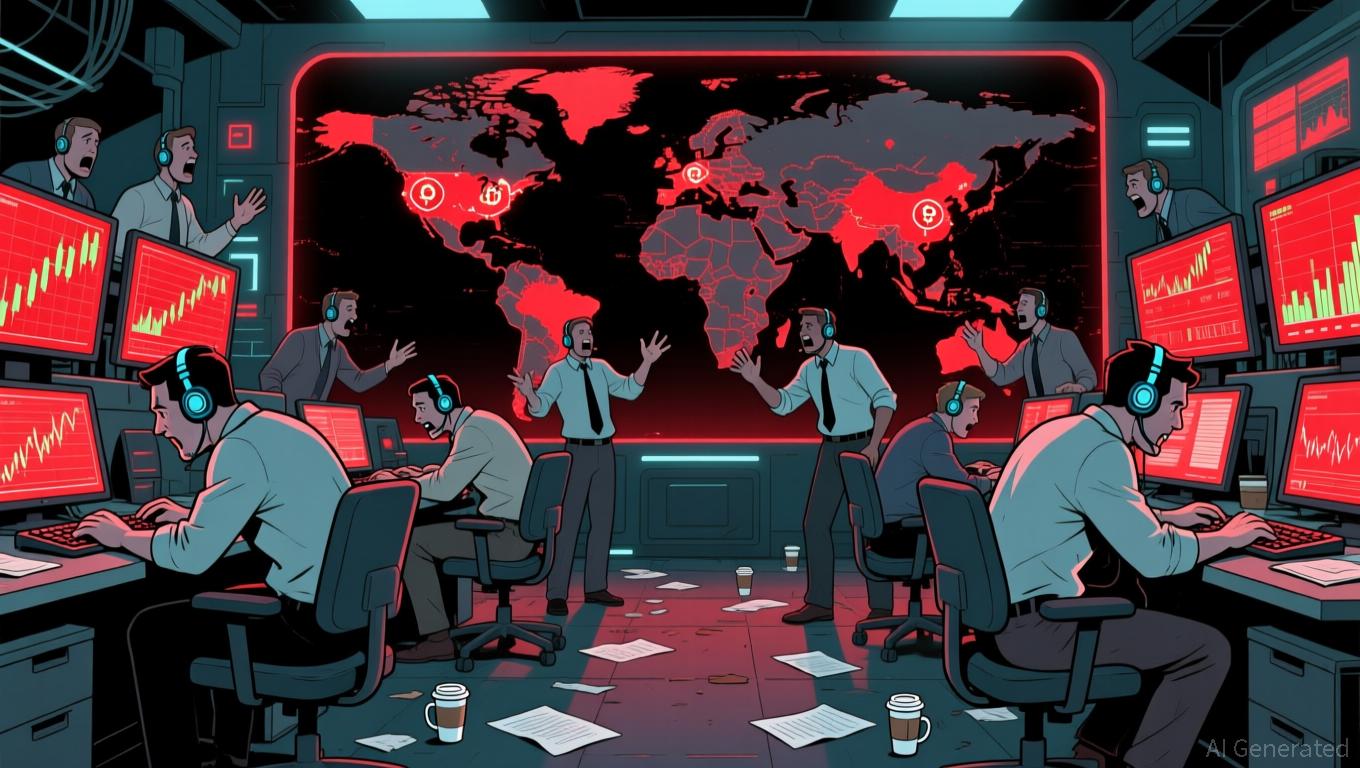
Bitcoin’s value dropped below $86,744, while Ethereum and XRP saw losses exceeding 5% and 6%, respectively, as investors rushed to close out positions. The situation worsened following the escalation of trade tensions between the United States and China, which led to a dramatic $19 billion flash crash on October 10. This wave of panic selling triggered widespread margin calls, forcing many to liquidate assets and deepening the market’s decline. The psychological aftermath of this event has left the market more fragile and prone to further drops.
“Everyday investors are now treating Bitcoin as a highly volatile mainstream asset,” observed Steve Sosnick of Interactive Brokers, noting that the differing risk appetites of institutional and retail participants are reshaping the market landscape.
Institutional Influence and Macroeconomic Factors
A major development has been the surge of mainstream investment through recently launched U.S. spot bitcoin ETFs, which have funneled billions into the crypto space. While this influx has increased liquidity, it has also made the market more sensitive to broader economic trends. According to analysts at Deutsche Bank, the current downturn stands apart from previous crashes due to the growing influence of institutional investors and global economic factors, such as expectations for changes in Federal Reserve interest rates. Although potential rate cuts by the Fed could benefit riskier assets, uncertainty about the timing and scale of these moves has left many investors hesitant.
AI Sector Adds to Market Uncertainty
The mixed performance of the artificial intelligence sector is adding another layer of complexity. While AI innovation continues to attract investment, worries about inflated valuations and increased regulatory oversight have unsettled markets. Cryptocurrencies, much like technology stocks, are particularly reactive to shifts in interest rates, and fears of a possible AI-driven bubble are further dampening investor confidence.
Outlook: Navigating Continued Volatility
Looking forward, some analysts believe that market stability could gradually return as liquidity improves and the wave of forced liquidations subsides—a trend more common during the weekdays. However, Deutsche Bank warns that the market may not have reached its lowest point yet. For now, the interplay of high leverage, economic uncertainty, and geopolitical tensions means that crypto traders should prepare for ongoing volatility.





