
News
Stay up to date on the latest crypto trends with our expert, in-depth coverage.


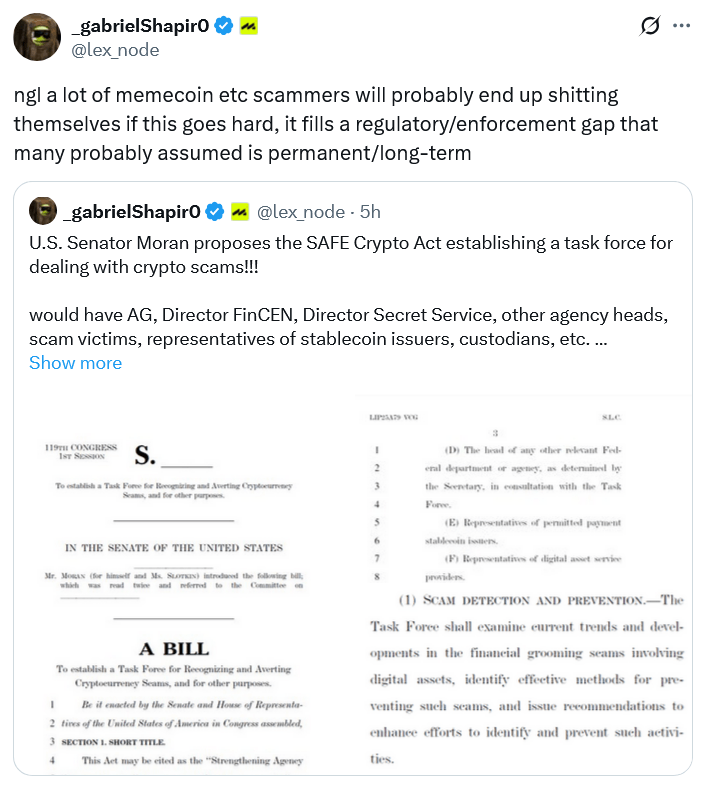
Crypto lawyer: The SAFE crypto bill will make scammers tremble.
币界网·2025/12/17 05:48
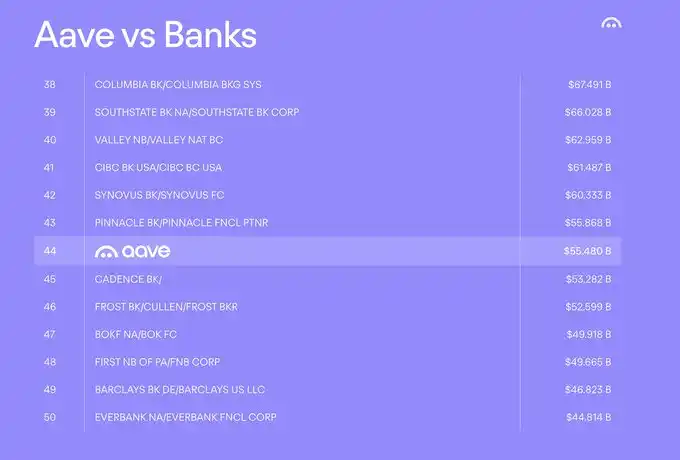
Aave founder outlines key focuses for 2026: Aave V4, Horizon, and mobile platforms
BlockBeats·2025/12/17 05:48
Explosive Theta Labs Lawsuit: Former Execs Accuse CEO of Fraud and Price Manipulation
Bitcoinworld·2025/12/17 05:27

Pi Network stock price remains under pressure, momentum weakens
币界网·2025/12/17 05:15
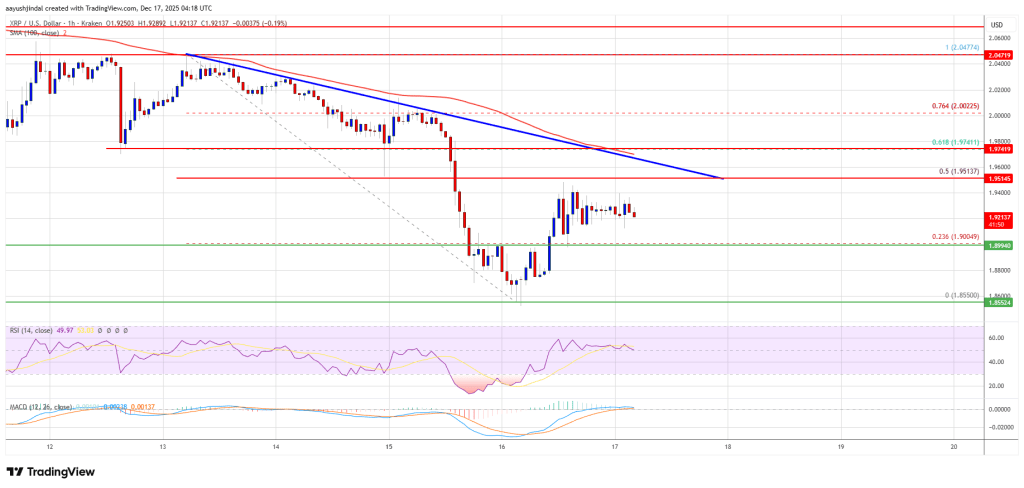
XRP price recovery appears fragile—can bulls break through the price ceiling?
币界网·2025/12/17 05:15
Pantera: 2025 will be a year of structural progress for the crypto market
币界网·2025/12/17 05:15
Urgent Crypto Fraud Crackdown: US Senators Launch Bipartisan SAFE Act to Protect Investors
Bitcoinworld·2025/12/17 05:12
Trump to interview pro-crypto Christopher Waller for next Fed Chair: WSJ
The Block·2025/12/17 04:45
Flash
07:02
Ethereum-based ASTEROID Surges Over 16% in 24 Hours, Market Cap Reaches $139 MillionBlockBeats News, May 16, according to GMGN data, on the Ethereum blockchain, ASTEROID surged over 16% in the past 24 hours, with a market capitalization reaching $139 million and a 24-hour trading volume of $14 million.
It is reported that the narrative of the meme coin ASTEROID originated from a 15-year-old girl, Liv Perrotto. Her biggest wish before her death was to meet Musk and she was involved in designing a Shiba Inu-shaped plush toy named "Asteroid." After the girl passed away, her mother publicly appealed to Musk and the story was further spread by the well-known media personality Glenn Beck on his show. On April 19, Musk agreed for Asteroid to become the mascot of SpaceX.
In other news, today a whale address "0x02e" spent 629 ETH (about $1.4 million) to purchase 4.2 billion ASTEROID at a price of $0.0003329 per token.
06:38
Loracle.hl Address Hits 5x Short Profit Target, Overall Profit Surges to $41.43 millionBlockBeats News, May 16th, according to OnchainLens monitoring, as the HYPE price dropped, the 5x leveraged HYPE short position established by Loracle.hl (Loracle.xyz) has returned to a profitable state. The 5x leveraged CRBS short position is currently showing a floating profit of over $1.76 million.
Its total profit has now risen to $41.43 million.
06:12
preOPAI will soon be listed on Bitget PoolX, with a total airdrop amount of 60 preOPAIOdaily reports that Bitget PoolX will soon launch the preOPAI project, with a total airdrop amount of 60 preOPAI and a personal lock-up limit of 400 preOPAI. The event will run from May 16, 18:00 to May 21, 18:00 (UTC+8). For more details, please refer to the official Bitget platform.
News