
Ethereum Breaks Records: January 2024 Staking Data Unveils Surge to 30 Million ETH

Over 24% of the total Ethereum supply is currently being staked indicating broad acceptance and confidence in network’s Proof-of-Stake mechanism.
Ethereum’s Shapella hard fork was a controversial upgrade that ignited fears of selling pressure. But the latest data tells a different story.
In January 2024, Intotheblock’s data revealed the highest Ethereum staking rate, reaching approximately 30 million ETH staked, accompanied by a staking participation rate of over 24%. This milestone suggested a preference for staking over promptly selling off tokens.
- Ethereum locked-in staking keeps surging, while only 11% of the token supply is currently stored on centralized exchanges.
- Analyzing the latest figures, it’s evident that the much-talked-about Ethereum upgrade, Shapella – enabling stakers to withdraw their coins for the first time since December 2020 – did not lead to the widespread unstaking as initially predicted .
- Even with the introduction of the new feature enabling stakers to retrieve their tokens, the current staked amount stands at 29.13 million ETH, accounting for 24.2% of the total supply.
According to @intotheblock January 2024 witnessed the highest eth staking rate with about 29,128,513.51 ETH staked and a staking participation rate of 24.29%. https://t.co/9ZAwSxhUZm pic.twitter.com/7327HLpUcH
— champagne mami 💕 (@EkponoAkwaowo) January 24, 2024
- The Ethereum staking rate is a metric composed of two components – rewards for consensus layer duties and priority transaction fees.
- The rewards are guided by Ethereum’s transparent “monetary policy,” adapting based on the total staked ETH, prioritizing security. The transaction fees, on the other hand, are influenced by the demand on the Ethereum network, typically rising when new information or opportunities emerge.
- As such, expanding the user base and use cases for Ethereum’s staking rate is crucial for enhancing network security, attracting new investments in ether, and establishing connections between digital assets and traditional finance.
Disclaimer: The content of this article solely reflects the author's opinion and does not represent the platform in any capacity. This article is not intended to serve as a reference for making investment decisions.
You may also like
When "decentralization" is abused, Gavin Wood redefines the meaning of Web3 as Agency!

A decade-long tug-of-war ends: "Crypto Market Structure Bill" sprints to the Senate
At the Blockchain Association Policy Summit, U.S. Senators Gillibrand and Lummis stated that the "Crypto Market Structure Bill" is expected to have its draft released by the end of this week, with revisions and hearings scheduled for next week. The bill aims to establish clear boundaries for digital assets by adopting a classification-based regulatory framework, clearly distinguishing between digital commodities and digital securities, and providing a pathway for exemptions for mature blockchains to ensure that regulation does not stifle technological progress. The bill also requires digital commodity trading platforms to register with the CFTC and establishes a joint advisory committee to prevent regulatory gaps or overlapping oversight. Summary generated by Mars AI. The accuracy and completeness of this summary, generated by the Mars AI model, is still being iteratively updated.
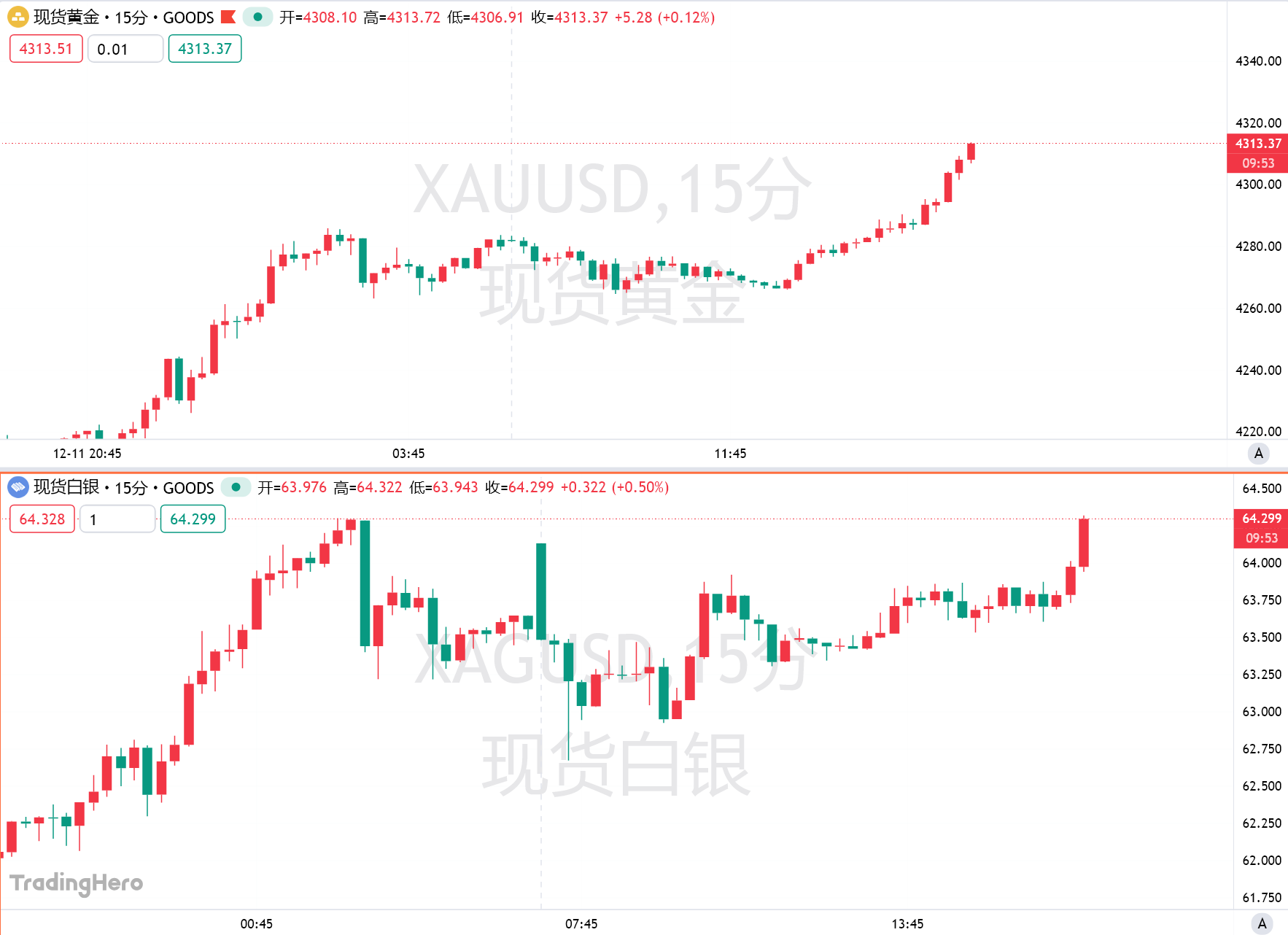
Gold surpasses the $4,310 mark—Is the "bull frenzy" returning?
Boosted by expectations of further easing from the Federal Reserve, gold has risen for four consecutive days. Technical indicators show strong bullish signals, but there remains one more hurdle before reaching a new all-time high.
Trending news
MoreCrypto prices
More





