
BlockDAG's Explosive Growth Potential in the Altcoin Space: Capital Efficiency and Network Scalability as Key Drivers
- BlockDAG's hybrid DAG-PoW architecture achieves 10,000 TPS with energy efficiency, outperforming Bitcoin/Ethereum in scalability. - $384M presale raised via 25.4B tokens shows strong capital efficiency, with 3,500% ROI for early investors and 30x potential by 2027. - 2.5M users, 19,000 ASIC miners, and 300+ dApps create a self-sustaining ecosystem, supported by Inter Milan and Seattle Orcas partnerships. - ESG-aligned design and Halborn/CertiK audits validate long-term viability, positioning BlockDAG as
In the rapidly evolving blockchain landscape of 2025, projects that balance capital efficiency with network scalability are redefining the value proposition of decentralized infrastructure. BlockDAG (BDAG) has emerged as a standout contender, leveraging a hybrid architecture that merges the transactional throughput of a Directed Acyclic Graph (DAG) with the security of Proof-of-Work (PoW). This dual-layer design enables the network to process up to 10,000 transactions per second (TPS) while maintaining energy efficiency, a critical factor in an era where environmental, social, and governance (ESG) criteria increasingly influence investor decisions [1].
Capital Efficiency: A Strategic Edge
The capital influx has also fueled ecosystem growth. Over 2.5 million users have engaged with the X1 mobile mining app, while 19,000 ASIC miners have been sold, generating $7.8 million in revenue for the network [1]. This grassroots adoption, combined with 4,500 developers building 300+ decentralized applications (dApps), creates a self-sustaining flywheel effect. Analysts argue that BlockDAG’s ability to convert capital into real-world utility—such as partnerships with global sports franchises like Inter Milan and the Seattle Orcas—positions it as a top 50 market disruptor [3].
Network Scalability: A Technical Breakthrough
Scalability remains a persistent challenge for legacy blockchains like Bitcoin and Ethereum , which struggle to balance throughput with decentralization. BlockDAG’s hybrid architecture addresses this by processing 10 blocks per second, a throughput that rivals or exceeds most Layer 1 competitors [2]. This is achieved through a DAG structure that allows parallel transaction validation, reducing latency while maintaining PoW’s security guarantees.
The project’s energy efficiency further amplifies its scalability advantages. Unlike energy-intensive PoW networks, BlockDAG’s design minimizes computational waste, aligning with global ESG trends and attracting institutional interest. Audits by firms like Halborn and CertiK have validated the network’s resilience, adding credibility to its long-term viability [4].
A Data-Driven Investment Thesis
To contextualize BlockDAG’s growth, consider the following:
- Transaction Throughput: BlockDAG’s 10,000 TPS dwarfs Bitcoin’s 7 TPS and Ethereum’s 30 TPS, making it a viable solution for mass adoption [2].
- Tokenomics: With a vesting schedule, the project avoids the volatility of uncontrolled token saturation [1].
- Ecosystem Metrics: 2.5 million users, 19,000 ASIC miners, and 4,500 developers signal a robust, self-sustaining network [1].
Conclusion
BlockDAG’s explosive growth in 2025 is not a speculative anomaly but a calculated outcome of its capital-efficient model and scalable architecture. By addressing the limitations of legacy blockchains while aligning with ESG priorities, the project has positioned itself as a top-tier altcoin with the potential to disrupt the market. For investors seeking exposure to next-gen blockchain infrastructure, BlockDAG represents a compelling case study in how technical innovation and strategic capital allocation can drive exponential value creation.
Disclaimer: The content of this article solely reflects the author's opinion and does not represent the platform in any capacity. This article is not intended to serve as a reference for making investment decisions.
You may also like
Wall Street interprets the Federal Reserve decision as more dovish than expected
The market originally expected a "hawkish rate cut" from the Federal Reserve, but in reality, there were no additional dissenters, no higher dot plot, and the anticipated tough stance from Powell did not materialize.
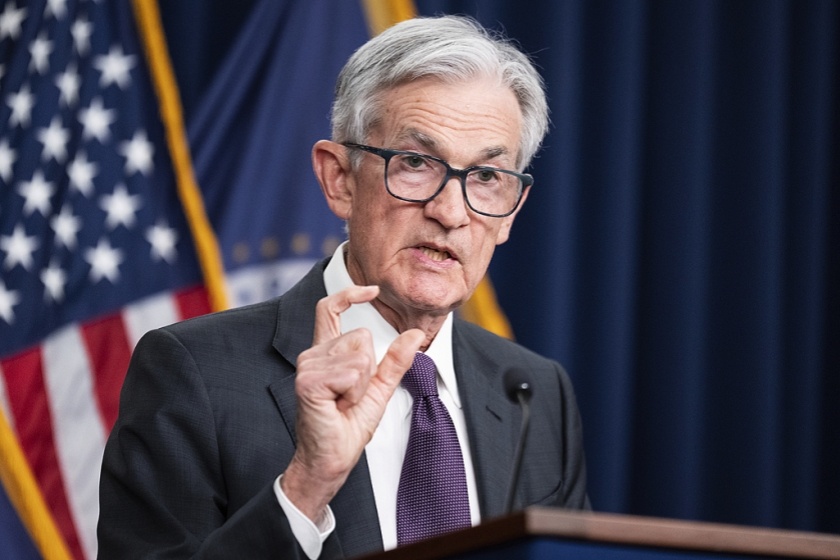
The Federal Reserve cuts rates again but divisions deepen, next year's path may become more conservative
Although this rate cut was as expected, there was an unusual split within the Federal Reserve, and it hinted at a possible prolonged pause in the future. At the same time, the Fed is stabilizing year-end liquidity by purchasing short-term bonds.
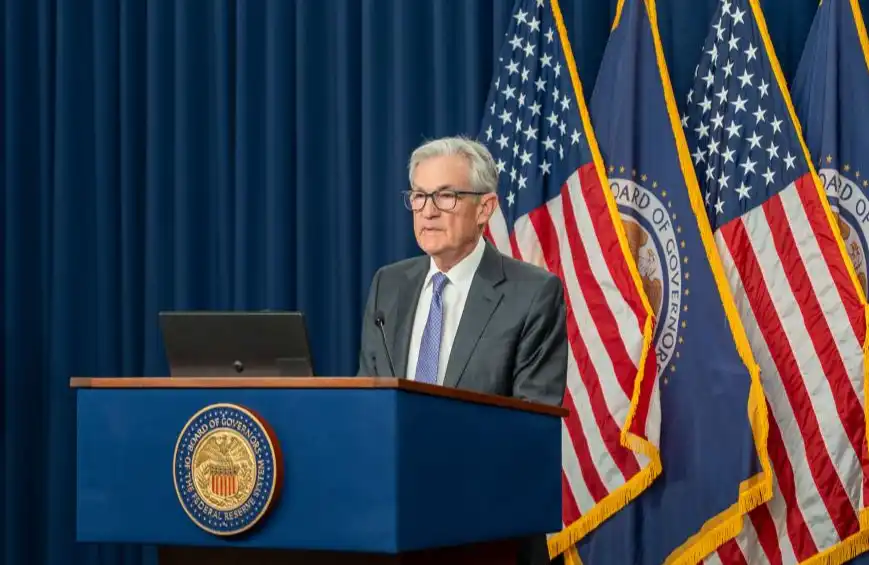
Betting on LUNA: $1.8 billion is being wagered on Do Kwon's prison sentence
The surge in LUNA’s price and huge trading volume are not a result of fundamental recovery, but rather the market betting with real money on how long Do Kwon will be sentenced on the eve of his sentencing.

What is the overseas crypto community talking about today?
What have foreigners been most concerned about in the past 24 hours?

Trending news
MoreCrypto prices
More





