
US banks moved $312B in dirty money, but critics still blame crypto

US banks were responsible for moving $312 billion for Chinese money launderers between 2020 and 2024, according to a new report.
In a US Financial Crimes Enforcement Network (FinCEN) advisory on Thursday, the watchdog analyzed over 137,000 Bank Secrecy Act reports from 2020 to 2024.
It found that over $62 billion per year on average has gone through the US banking system from Chinese money launderers.
Chinese money-laundering networks have formed a symbiotic relationship with Mexico-based drug cartels. The cartels need to launder US dollar drug proceeds, while Chinese gangs want US dollars to circumvent China’s currency control laws, it reported.
“These networks launder proceeds for Mexico-based drug cartels and are involved in other significant, underground money movement schemes within the United States and around the world,” said FinCEN Director Andrea Gacki.
Beyond drug money laundering, Chinese gangs are involved in human trafficking and smuggling, healthcare fraud and elder abuse. They are also involved in real estate money laundering to the tune of $53.7 billion in suspicious transactions, the report added.
Crypto still gets unfair rap
Despite this, crypto has often been singled out for money laundering and illicit purposes by pro-banking politicians such as the ranking member of the Senate Banking Committee, Senator Elizabeth Warren.
“Bad actors are also increasingly turning to cryptocurrency to enable money laundering,” she said earlier this year, demanding tougher regulations.
The latest figures reveal an often suppressed fact, that most money laundering has nothing to do with crypto.
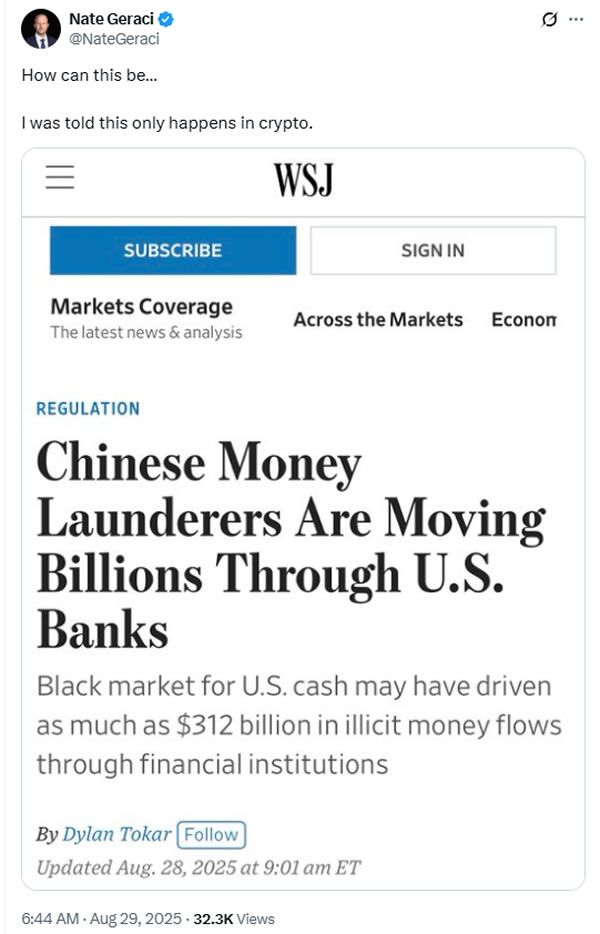 Source: Nate Geraci
According to the United Nations Office on Drugs and Crime, the estimated amount of money laundered globally in one year is more than $2 trillion.
In comparison, the entire cryptocurrency space’s illicit crypto volumes totalled around $189 billion over the last five years, according to Chainalysis.
“Illicit activity is but a small fraction of the crypto ecosystem. We estimate that it is less than 1% of overall crypto volume,” TRM Labs head of policy and strategic partnerships, Angela Ang, told Cointelegraph.
“FinCEN's findings align with a broader pattern - these underground banking networks function as a shadow financial system for organized crime worldwide, operating at the seams of banking systems,” Ang said.
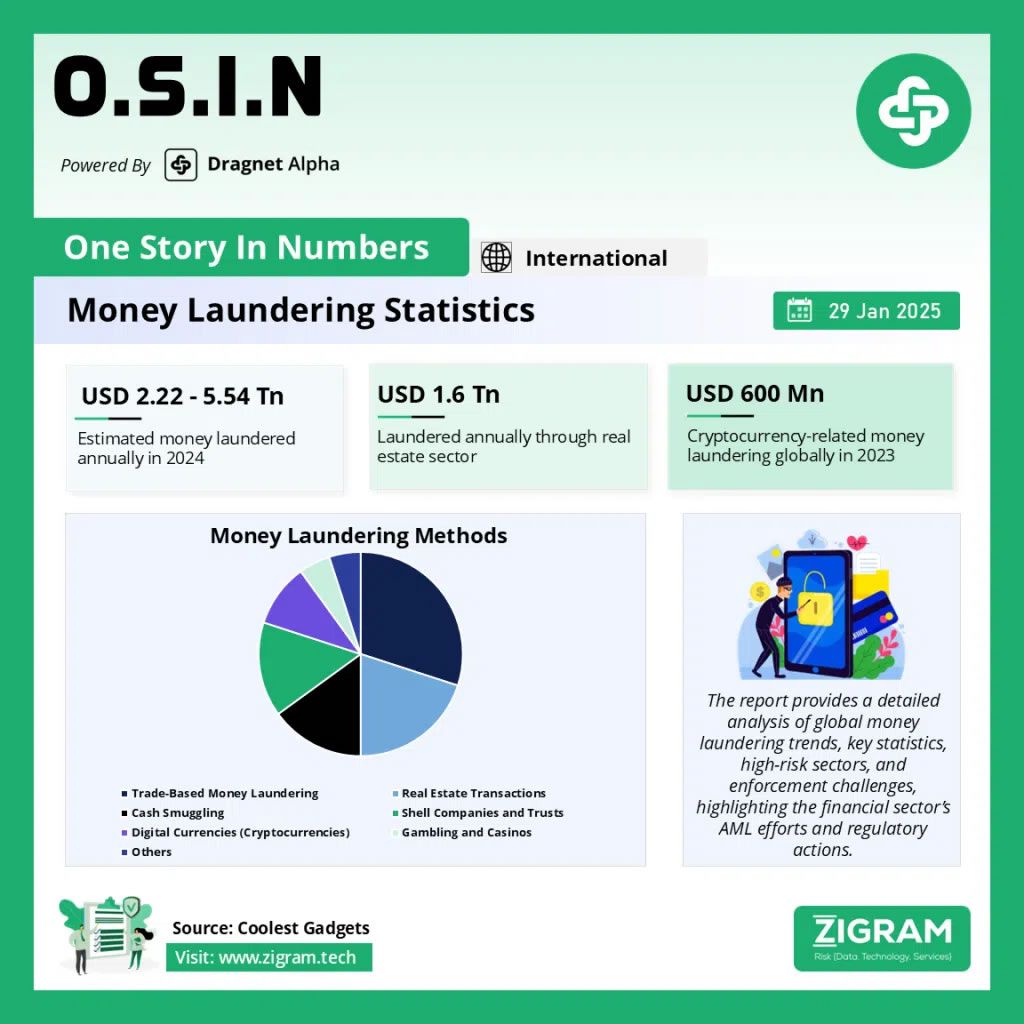 Money laundering through cash and banks dwarfs the amount laundered with crypto. Source: Zigram
Disclaimer: The content of this article solely reflects the author's opinion and does not represent the platform in any capacity. This article is not intended to serve as a reference for making investment decisions.
You may also like
$RAVE TGE Countdown: When Clubbing Becomes an On-Chain Economic Activity, the True Web3 Breakthrough Moment Arrives
RaveDAO is rapidly growing into an open cultural ecosystem driven by entertainment, becoming a key infrastructure for Web3 to achieve real-world adoption and mainstream breakthrough.
A "hawkish rate cut" that's not so "hawkish," and balance sheet expansion that's "not QE"
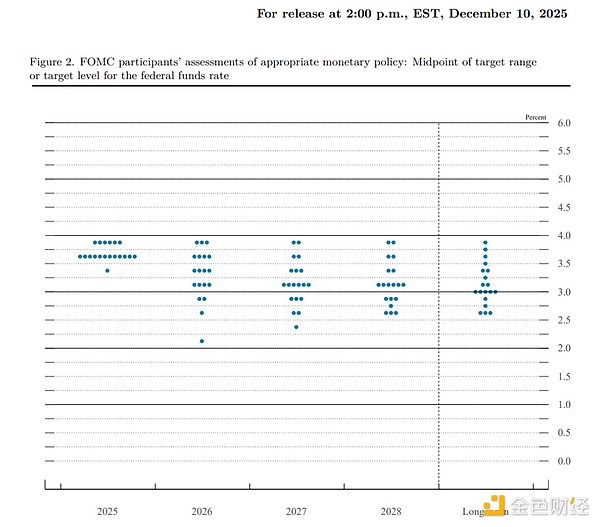
The Federal Reserve has cut interest rates by another 25 basis points as expected, still projecting one rate cut next year, and has launched an RMP to purchase $40 billion in short-term bonds.
Historic Fundraising: Real Finance Attracts $29 Million to Revolutionize RWAs
Trending news
MoreCrypto prices
More





