
Armstrong Says U.S. Senate Supports Bipartisan Crypto Bill

- US Senate Seeks to Pass Crypto Bill by November
- Coinbase Supports Proposal, But Warns of DeFi Restrictions
- Project may repeat regulatory impact of GENIUS Law
Coinbase CEO Brian Armstrong stated that the cryptocurrency market structure bill has strong bipartisan support in the U.S. Senate and could be passed by Thanksgiving. After participating in a crypto roundtable with Democratic senators on October 22, Armstrong emphasized in an interview with CNBC that "there is strong bipartisan support and willingness to implement this market structure legislation."
According to the executive , the Senate committee aims to finalize the text before the November holiday, aiming to replicate the positive impact that the GENIUS Act, signed into law by President Donald Trump in July, had on the stablecoin market and the global adoption of the tokenized dollar. "This gave the U.S. dollar a chance to truly be exported around the world [...] they want to see something similar happen now with the market structure," Armstrong said.
The proposal is seen as a decisive step toward creating regulatory clarity and attracting institutional investors. However, Armstrong stressed that parts of the text still need to be adjusted, especially those related to DeFi. He criticized a draft circulated among Democratic aides for imposing overly strict rules on decentralized finance, calling it "a bad proposal" that could stifle innovation and jeopardize U.S. leadership in the sector.
After the Senate meetings, Armstrong clarified that the more restrictive draft is not considered representative of lawmakers' intentions and reinforced that regulation should focus on centralized custodians and exchanges, not open-source protocols.
Coinbase has expressed general support for the market framework proposal, describing it as essential for defining clear boundaries between the SEC and CFTC and establishing formal categories of digital assets. In previous statements, the exchange has argued that the legislation will bring predictability to the industry, encouraging innovation, liquidity, and institutional adoption.
Armstrong concluded by saying he was optimistic about the committee's vote in November, signaling that both the House and Senate "can unify their texts and get them to the president's desk soon."
Disclaimer: The content of this article solely reflects the author's opinion and does not represent the platform in any capacity. This article is not intended to serve as a reference for making investment decisions.
You may also like
Wall Street interprets the Federal Reserve decision as more dovish than expected
The market originally expected a "hawkish rate cut" from the Federal Reserve, but in reality, there were no additional dissenters, no higher dot plot, and the anticipated tough stance from Powell did not materialize.
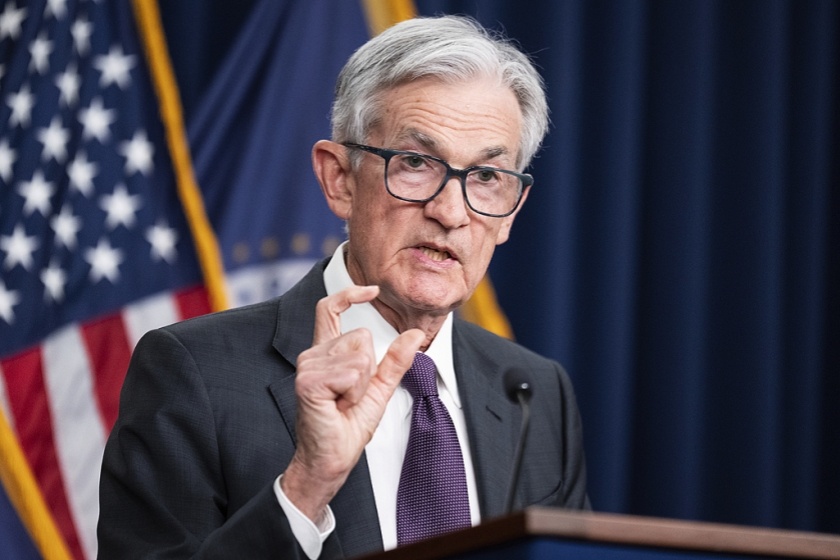
The Federal Reserve cuts rates again but divisions deepen, next year's path may become more conservative
Although this rate cut was as expected, there was an unusual split within the Federal Reserve, and it hinted at a possible prolonged pause in the future. At the same time, the Fed is stabilizing year-end liquidity by purchasing short-term bonds.
Betting on LUNA: $1.8 billion is being wagered on Do Kwon's prison sentence
The surge in LUNA’s price and huge trading volume are not a result of fundamental recovery, but rather the market betting with real money on how long Do Kwon will be sentenced on the eve of his sentencing.

What is the overseas crypto community talking about today?
What have foreigners been most concerned about in the past 24 hours?

Trending news
MoreCrypto prices
More





