
Who decides the fate of 210 billions euros in frozen Russian assets? German Chancellor urgently flies to Brussels to lobby Belgium

In order to push forward the plan of using frozen Russian assets to aid Ukraine, the German Chancellor even postponed his visit to Norway and rushed to Brussels to have a working meal with the Belgian Prime Minister, all in an effort to remove the biggest "obstacle."
It is reported that German Chancellor Merz is making a last-ditch effort to seek Belgium's crucial support in order to push the European Union to use frozen Russian sovereign assets to fund military aid to Ukraine.
Merz will travel to Brussels on Friday to have dinner with Belgian Prime Minister De Croo, who has become the biggest obstacle to the so-called "compensation loan" plan, which provides loans to Kyiv backed by these assets. European officials are racing against time, trying to secure support for the plan before the leaders' debate at the summit in two weeks.
A German government insider said: "This is a race against time." Another person added: "Merz believes he has to carry this through himself."
Just days before this meeting, European Commission President von der Leyen unveiled the legal proposal for the loan, controversially relying on Article 122 of the EU treaties, which grants emergency powers to indefinitely freeze Russian assets and bypass potential national vetoes to force the loan through.
According to sources, even if Belgium remains opposed, Merz supports the proposal and the use of Article 122 emergency powers. A German government spokesperson declined to comment on what message Merz intends to convey to De Croo.
To attend this dinner, the German leader rescheduled his first state visit to Norway, where he was originally set to meet the Norwegian King and Prime Minister Støre. Von der Leyen will also attend Friday's dinner in Brussels.
In September, Merz wrote in support of using about 210 billions euros of Russian central bank assets frozen in Europe to aid Ukraine.
According to people familiar with his thinking, this marks a reversal in his attitude, as Merz previously worried that such a move could undermine confidence in the euro.
Carlo Masala, Professor of International Relations at the Bundeswehr University Munich, said: "He is taking a huge risk and staking everything on this. It shows how seriously he takes this issue."
Belgium and the Brussels-based Euroclear (the clearing house holding most of the assets) have threatened to block the plan unless they receive "rock-solid guarantees" that other EU countries will also share any financial burden or retaliation from Moscow.
Several countries, including France, are reluctant to provide national guarantees for this loan, which would be necessary if Euroclear is required to return the assets to Moscow. The European Central Bank has refused to provide emergency liquidity to Euroclear if these guarantees are triggered.
Recent negotiations to end the Russia-Ukraine conflict launched by Moscow have injected new urgency into this debate. According to several people close to the matter, Merz and other European leaders excluded from the US-Russia talks were shocked to find that the discussions directly touched on Russian sovereign assets held in Europe.
Norbert Röttgen, a senior lawmaker from Merz's Christian Democratic Union, described the decision on Russian assets as "a key moment for Europe." He added: "If we can't do this (compensation loan), then what is the point of European sovereignty and all the high talk about strategic autonomy?"
According to informed sources, for Berlin, the need to quickly lock down these assets and send a political signal to Moscow and Washington now outweighs legal caution. Although Berlin has urged the European Commission to address Belgium's concerns, it believes that apart from the loan, there is no other option to maintain Ukraine's solvency.
Germany's push is partly driven by concerns: the country has already relaxed its debt brake, allowing for almost unlimited defense spending, and if the asset proceeds cannot fill the gap, Germany may have to bear most of the cost of providing military equipment to Ukraine. One insider bluntly stated: "In the end, we'll be the ones footing the bill."
Disclaimer: The content of this article solely reflects the author's opinion and does not represent the platform in any capacity. This article is not intended to serve as a reference for making investment decisions.
You may also like
Stablecoin Legislation Booms Globally, Why Is China Taking the Opposite Approach? An Article to Understand the Real National Strategic Choices
Amid the global surge in stablecoin legislation, China has chosen to firmly curb stablecoins and other virtual currencies, while accelerating the development of the digital yuan to safeguard national security and monetary sovereignty. Summary generated by Mars AI. This summary is produced by the Mars AI model and its accuracy and completeness are still being iteratively improved.

Liquidity migration begins! Japan becomes the Fed's "reservoir," 120 billions in carry trade returns set to ignite the December crypto market
The Federal Reserve has stopped quantitative tightening and may cut interest rates, while the Bank of Japan plans to raise rates, changing the global liquidity landscape and impacting carry trades and asset pricing. Summary generated by Mars AI. This summary is produced by the Mars AI model, and the accuracy and completeness of its content are still under iterative improvement.

Weekly Hot Picks: Bank of Japan Sends Strongest Rate Hike Signal! Is the Copper Market Entering a Supercycle Rehearsal?
The leading candidate for Federal Reserve Chair is being questioned for potentially "accommodative rate cuts." Copper prices have reached a historic high, and a five-hour meeting between the United States and Russia ended without results. Expectations for a Japanese interest rate hike in December have surged, and Moore Threads' stock soared more than fivefold on its first day... What market moves did you miss this week?
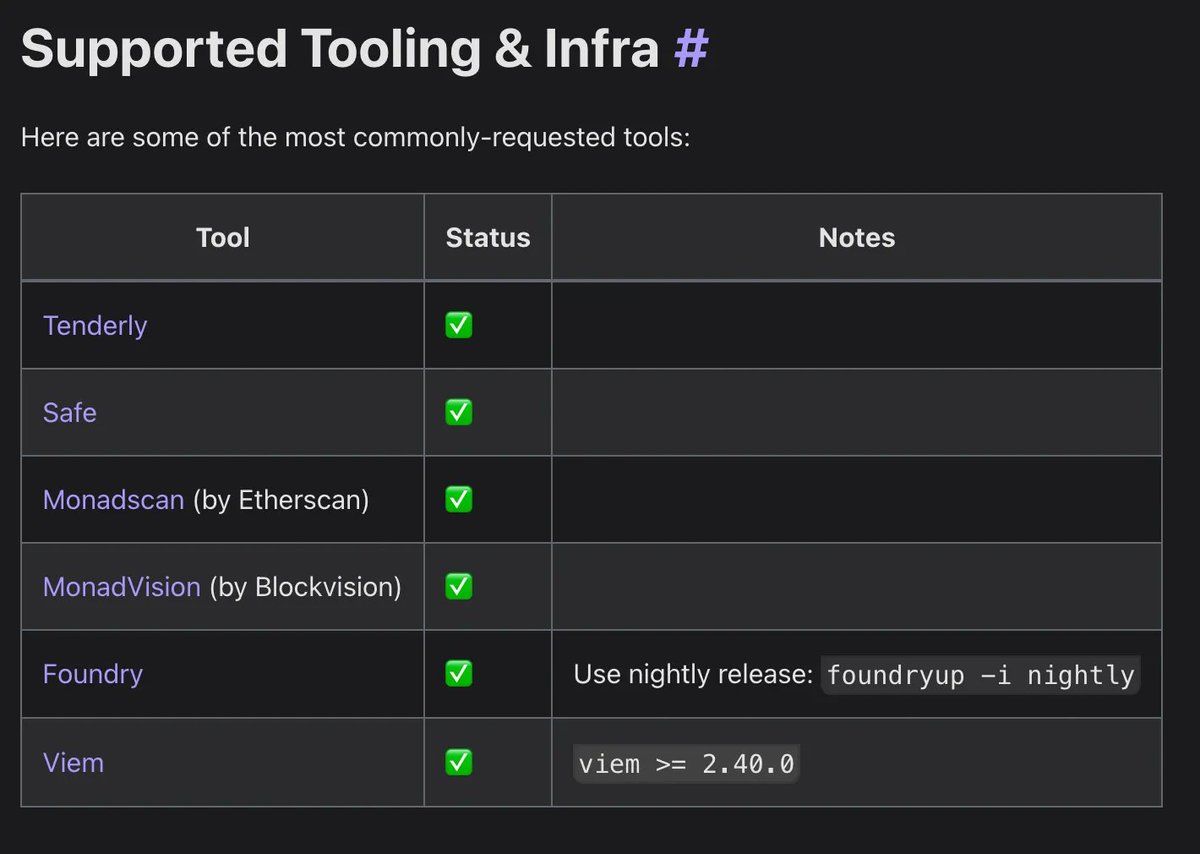
Monad Practical Guide: Welcome to a New Architecture and High-Performance Development Ecosystem
This article will introduce some resources to help you better understand Monad and start developing.
Trending news
MoreCrypto prices
More





