
News
Stay up to date on the latest crypto trends with our expert, in-depth coverage.


Copper climbs near $13,000 as Dollar softens – ING
101 finance·2026/01/20 10:24
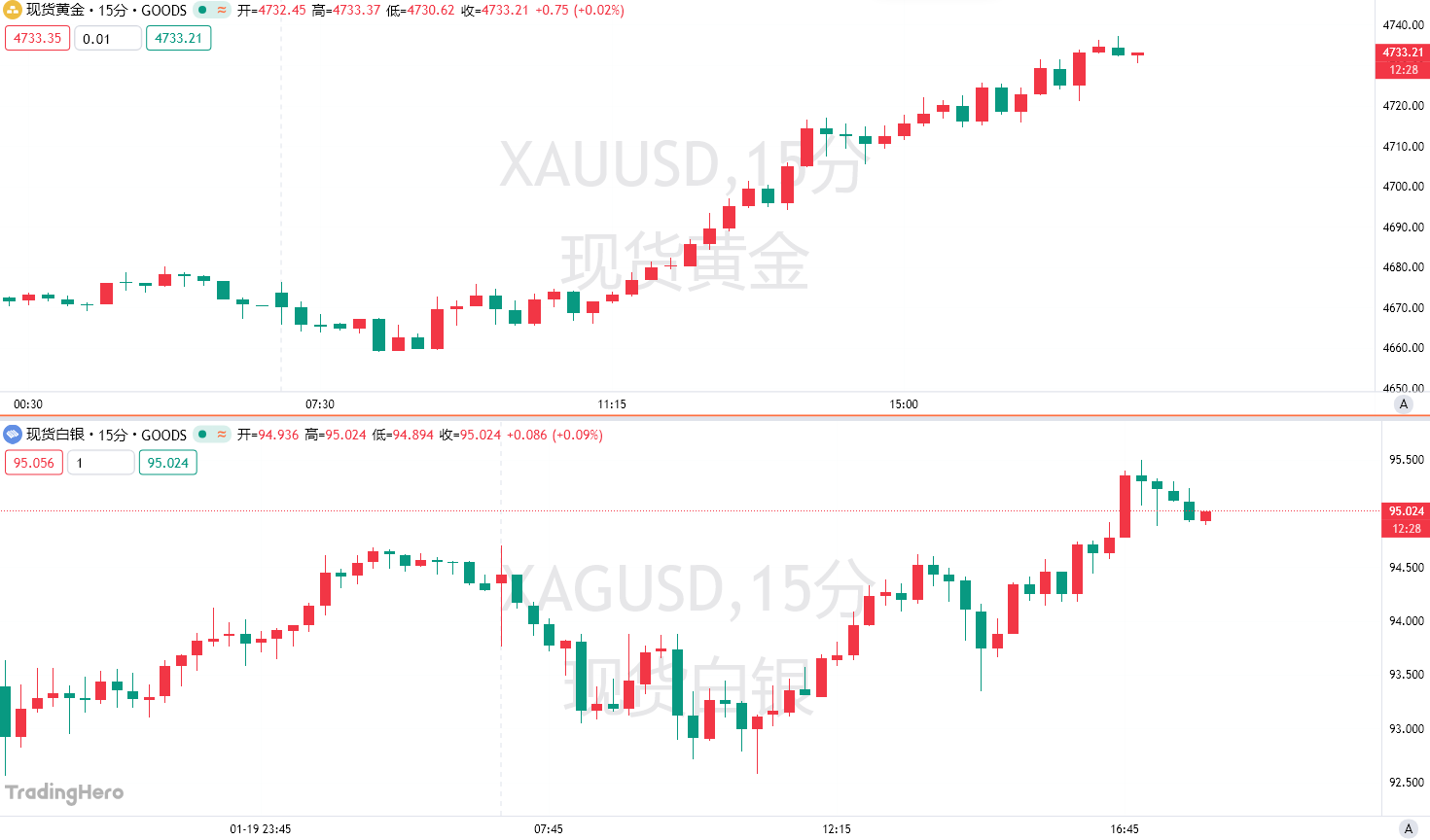
Trump's "Greenland Ambition" Sparks Safe-Haven Frenzy! Gold Price Soars Past $4,730
金十数据·2026/01/20 10:20
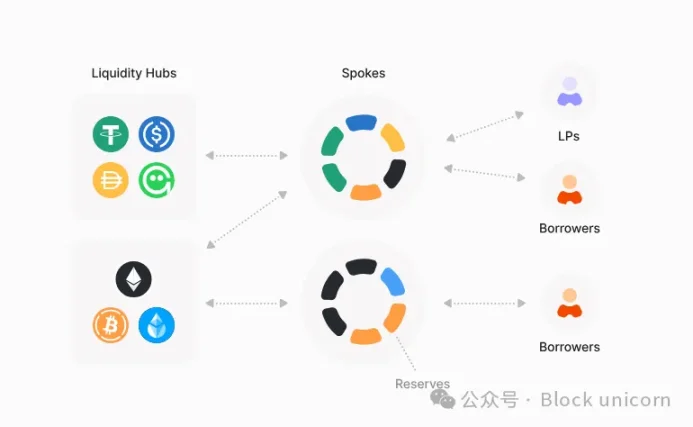
Aave v4 and Capital Efficiency
Block unicorn·2026/01/20 10:18

7 Top Crypto Presales: BlockchainFX ($BFX) Trading Super App Will Go Live On Jan 31st, With APP50 Giving 50% More Tokens
BlockchainReporter·2026/01/20 10:03
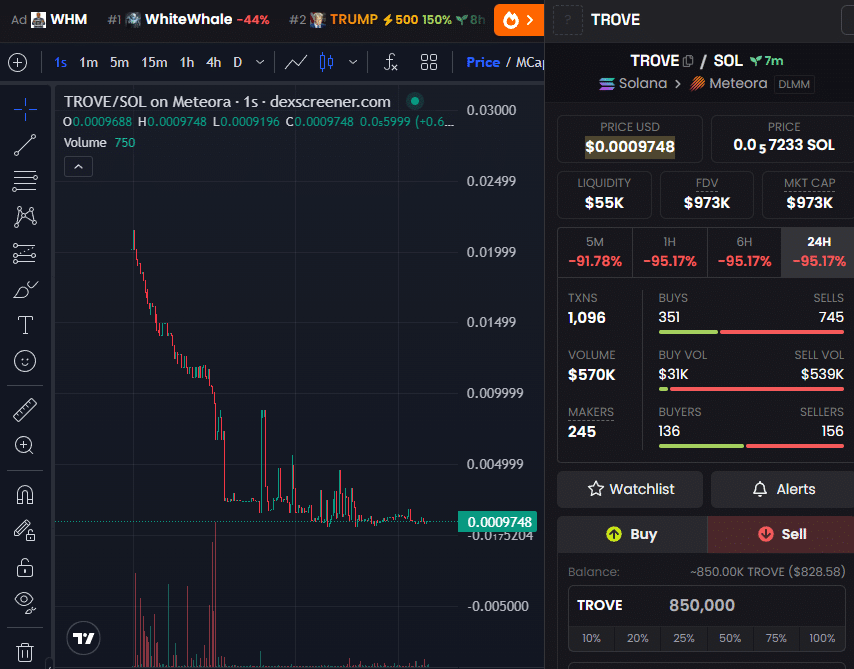
TROVE token’s 97% wipeout: From $11.5 mln presale to rug-pull accusations
AMBCrypto·2026/01/20 10:03
EUR/USD rebounds amid EU-US trade tensions – Danske Bank
101 finance·2026/01/20 09:33
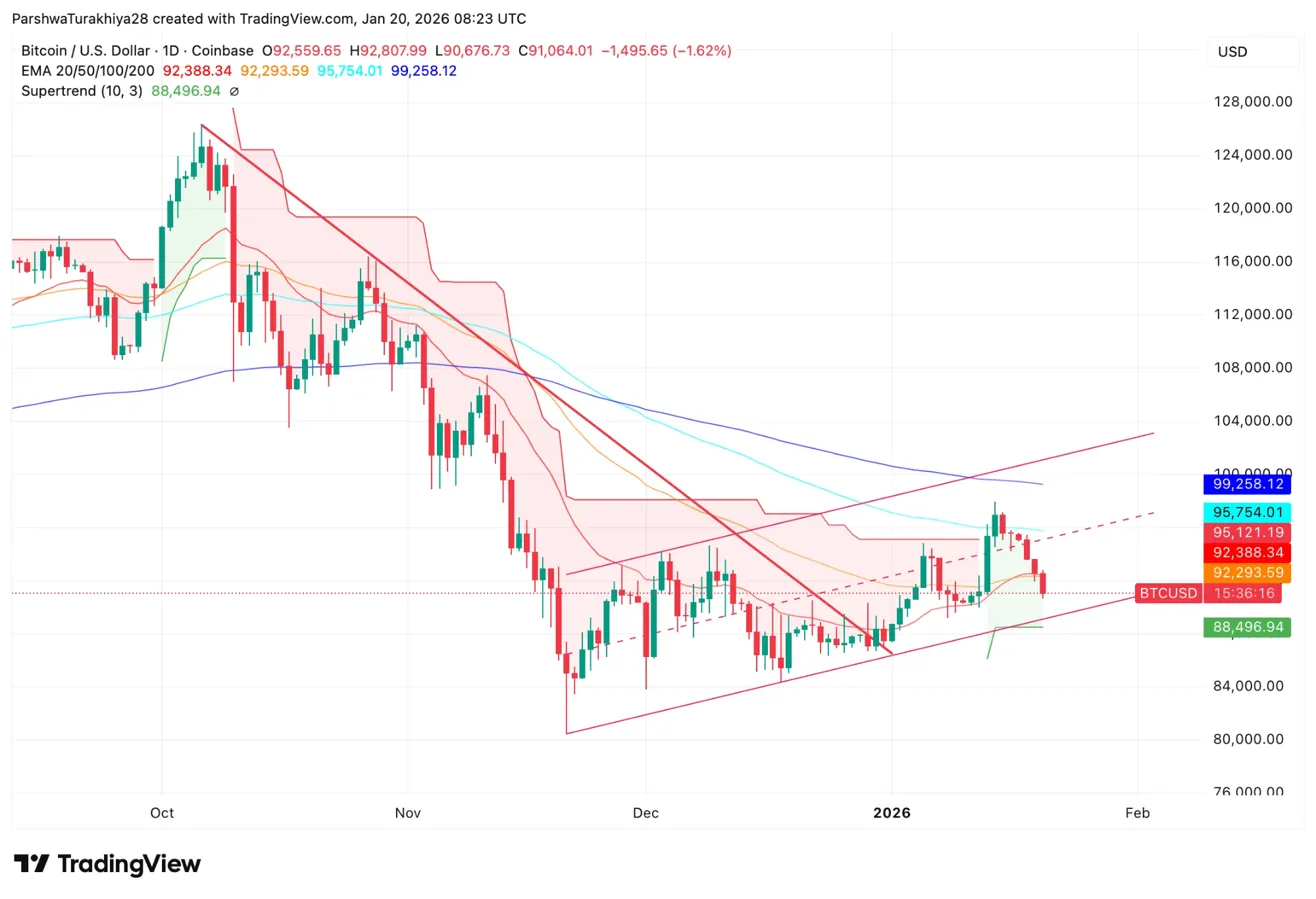
Bitcoin Price Prediction: $108M Long Liquidations Break EMA Cluster As Tariff Fears Return
CoinEdition·2026/01/20 09:33
Finunion Expands Crypto Payments Into B2B Invoicing and Recurring Billing
101 finance·2026/01/20 09:18

XRP Defends Key Support as Traders Watch $2.06 Reclaim
CoinEdition·2026/01/20 09:03
DeFi Protocol Makina Finance Hacked for $4.2M, Advises LPs to Remove Liquidity
Coinspeaker·2026/01/20 08:48
Flash
13:36
TASS: Russian fertilizer exports up 7% this year, reaching 5.5 billion USDTASS: Russia’s fertilizer exports increased by 7% this year so far, reaching $5.5 billion
13:33
Billions releases strategic roadmap: focusing on agent business and payment infrastructure developmentChainCatcher news, the AI identity and Agent infrastructure project Billions has released its latest strategic roadmap, announcing that it will focus on advancing Agent business and Agent payment-related infrastructure development, driving AI Agents to evolve from information processing tools to active participants in economic activities. Billions stated that as Agents begin to independently complete service calls, payment settlements, product purchases, and task executions, AI is gradually entering the Agent Economy era. In the future, Agents will need not only identity and permission management capabilities, but also the ability to participate in real business activities and value exchanges. Currently, Billions has launched payment-related components based on the x402 protocol, including Agent Skill, server-side extensions, and an SDK. The team stated that they will continue to expand product capabilities around Agent authentication, authorization management, payment execution, and commercial collaboration scenarios, building an infrastructure network oriented towards the Agent Economy. Billions believes that automated value exchanges between Agents, and between Agents and services, will become the next stage of AI development, and that Agent business networks are expected to become an important component of the future digital economy.
13:33
Investors of Ramaco Resources Inc. senior notes may be eligible to recover part of their investment losses.This situation has drawn close attention from the market to the relevant securities.
News