
News
Stay up to date on the latest crypto trends with our expert, in-depth coverage.


EUR/JPY declines as intervention concerns bolster the Yen, while Eurozone figures provide backing for the Euro
101 finance·2026/01/15 10:54

Ethereum Price Outlook: Factors Influencing ETH Movement as Investors Explore Alternative Assets
Crypto Ninjas·2026/01/15 10:45
CryptoProcessing by CoinsPaid Streamlines Crypto Invoice Payments with MetaMask and Trust Wallet
Coinspaidmedia·2026/01/15 10:39
EUR/CHF forms higher trough, signaling easing downward momentum – Société Générale
101 finance·2026/01/15 10:36
USD/KRW forms potential Inverse Head and Shoulders pattern – Société Générale
101 finance·2026/01/15 10:36
LSEG Launches Blockchain Settlements in Deeper Crypto Dive
Coinspeaker·2026/01/15 10:18
JPY intervention risk grows as USD/JPY nears 160 – OCBC
101 finance·2026/01/15 09:54
Moldova moves towards clearer Bitcoin and crypto regulation in 2026
CryptoRo·2026/01/15 09:48
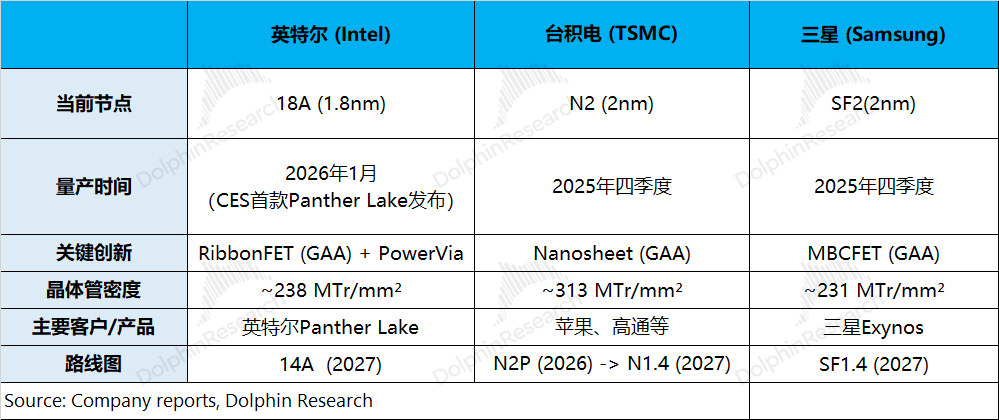
TSMC: The True Giant of AI, Who Would Say No?
海豚投研·2026/01/15 09:32
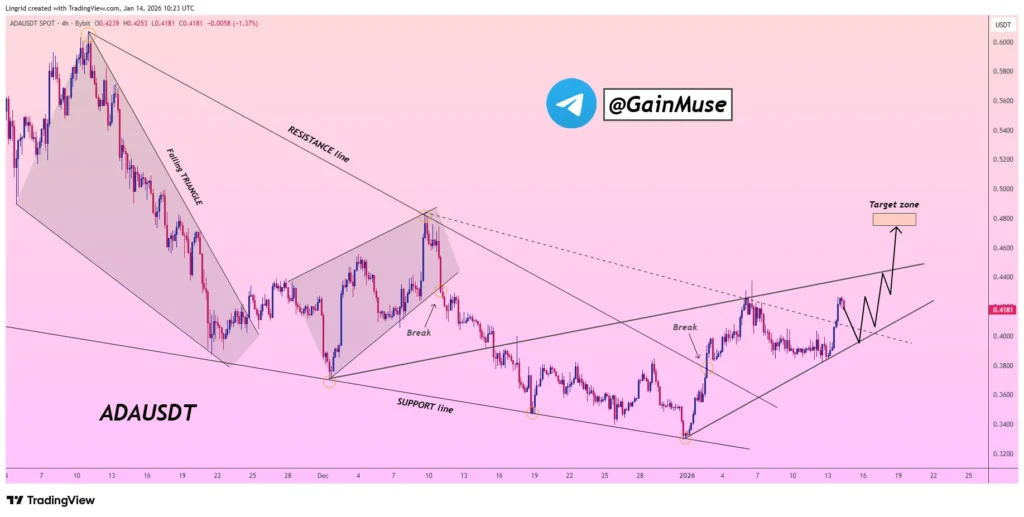
Cardano Price Prediction: Is ADA Enroute To $1 Before Q1 Ends? Experts Give Their Predictions!
BlockchainReporter·2026/01/15 09:12
Flash
09:25
Goldman Sachs Raises Robinhood Price Target to $121Glonhui July 1|Goldman Sachs raised the target price of a certain exchange from $108 to $121 and maintained a "Buy" rating.
09:22
Germany's Two-Year Bond Yield Falls by 1 Basis Point to 2.523% On July 1, the yield on Germany's two-year bonds decreased by 1 basis point to 2.523%.
09:22
Samsung and SK Hynix Seek Price Cuts from Substrate Suppliers for Second Half of Year On July 1, Samsung Electronics and SK Hynix are negotiating with upstream substrate suppliers regarding delivery prices for the second half of the year, leaning towards price reductions and even retracting the average price increase of 3% to 4% implemented earlier this year. At the beginning of the year, the two chip manufacturers agreed to raise substrate supply prices in response to soaring costs of gold, copper, and other raw materials; however, as raw material prices stabilize, the negotiation balance has shifted in favor of buyers. An Youngwoo, Secretary General of the Korea PCB and Semiconductor Packaging Industry Association, revealed that most substrate companies have received explicit price-cut requests from clients. If price reductions are realized, the increases from the first quarter will be fully reversed, and the substrate industry is expected to face price adjustments as early as next month. Substrate manufacturers are caught in a 'double bind'—while raw material procurement costs remain high, delivery prices are under downward pressure, squeezing profit margins from both ends, which may restrict capital expenditures and the development of next-generation technologies. The pressure to reduce prices is particularly severe for medium-sized substrate companies. Many of these medium-sized enterprises are currently not included in the raw material cost linkage mechanism—originally designed to reasonably share price fluctuation risks among supply chain parties—leaving them outside its benefits. The KPCA points out that the substrate industry is highly sensitive to raw material prices, and if the cost burden disproportionately falls on substrate manufacturers, it will directly weaken investment capabilities and undermine technological competitiveness. The association has explicitly called on semiconductor manufacturers to postpone price reductions and extend the benefits of the economic cycle to upstream supply chains, proposing a series of institutional recommendations: expanding the delivery price linkage mechanism from large enterprises to medium-sized enterprises, establishing a collaborative negotiation mechanism involving government and industry for supply chain symbiosis, increasing policy support for key medium-sized enterprises in the supply chain, and building a cooperative framework to ensure sustainable competitiveness in the supply chain.
News