
News
Stay up to date on the latest crypto trends with our expert, in-depth coverage.

1SanDisk (SNDK) FY2026 Q3 Earnings Highlights: 97% QoQ Revenue Surge, Q4 Guidance Raised Again!2Apple FY2026 Q2 Earnings Highlights: Record Revenue and EPS, Q3 Guidance Tops Expectations3Eli Lilly (LLY) Q1 2026 Earnings Highlights: GLP-1 Momentum Fuels Strong Beat, Guidance Raised

Pound Sterling rises as markets await crucial UK GDP figures
101 finance·2026/01/14 09:27
Australia, NZ dollars fluctuate against the US dollar, continue to rise versus the yen
101 finance·2026/01/14 09:18
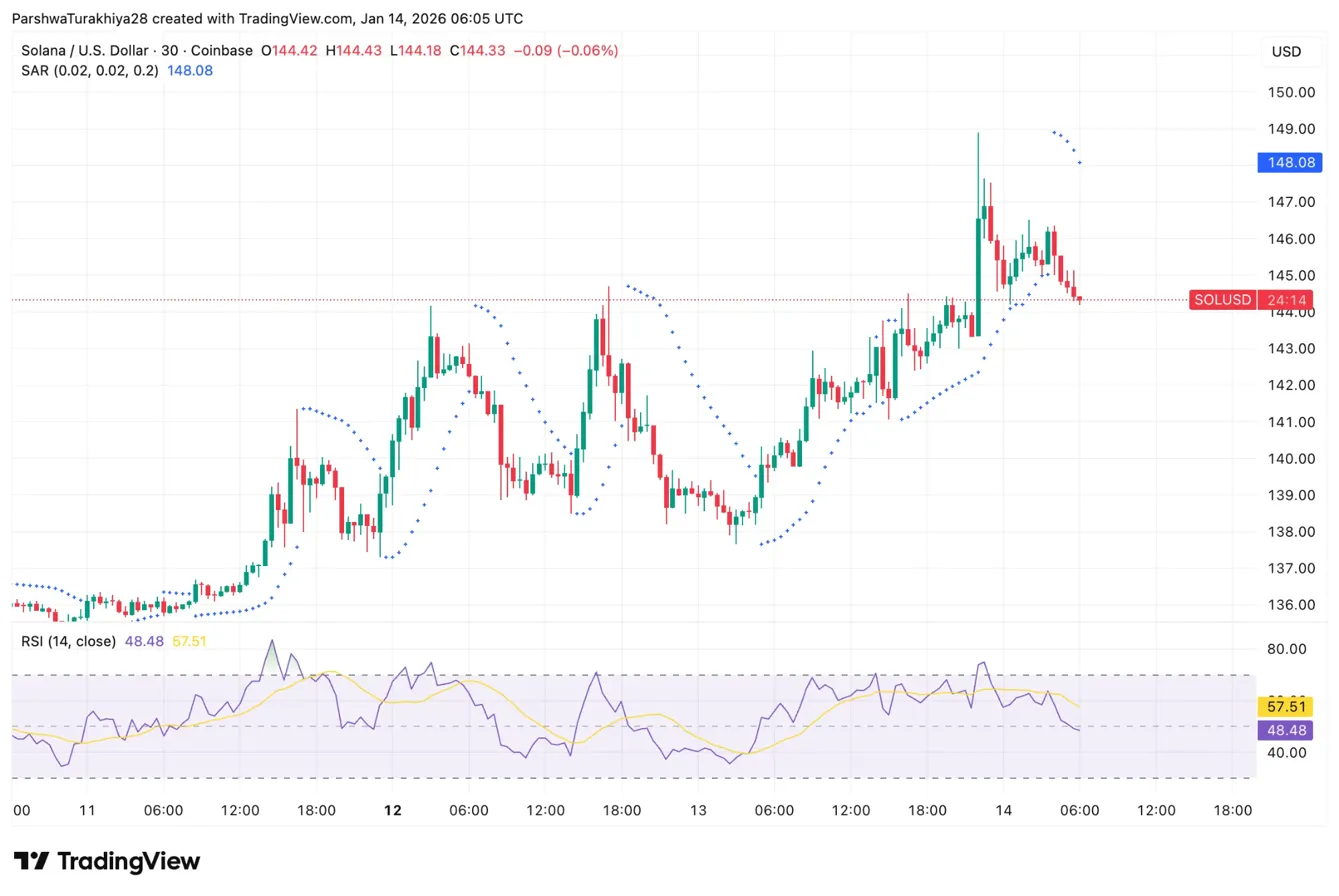
Solana Price Prediction: $5.54M Spot Inflows Support Rising Trendline as Open Interest Surges 4.82%
CoinEdition·2026/01/14 09:15
Cryptocurrency Market Booms with $110 Billion Surge
Cointurk·2026/01/14 09:12
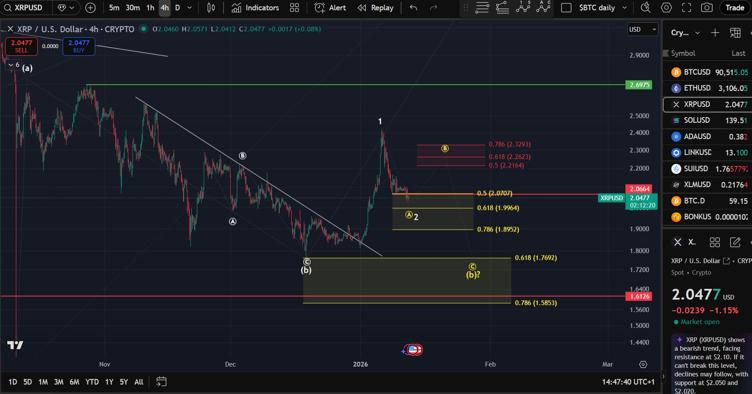
XRP News: XRP Dips back toward $2 as Stellar XLM Price Predictions Skyrocket Along With Remittix RTX
BlockchainReporter·2026/01/14 09:12
Is the Cryptocurrency Bull Market Finished? Insights Drawn from Mining and Market Statistics
101 finance·2026/01/14 09:06
BTC ETFs Log $753M in Inflows, Short Liquidations Skyrocket
Coinspeaker·2026/01/14 09:00
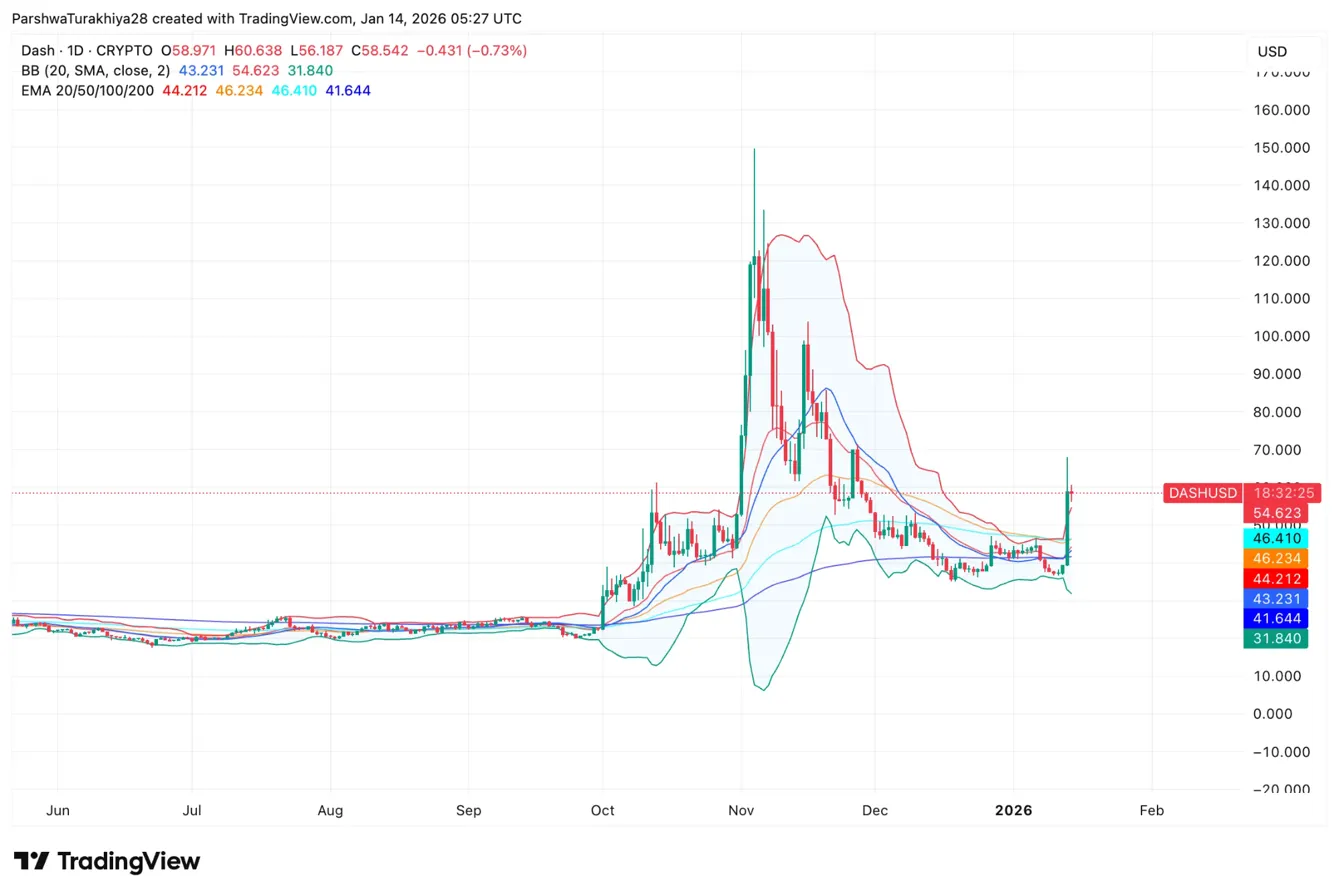
Dash Price Prediction 2026: Evolution Smart Contracts and Privacy Surge Battle July 2027 EU Ban
CoinEdition·2026/01/14 08:45
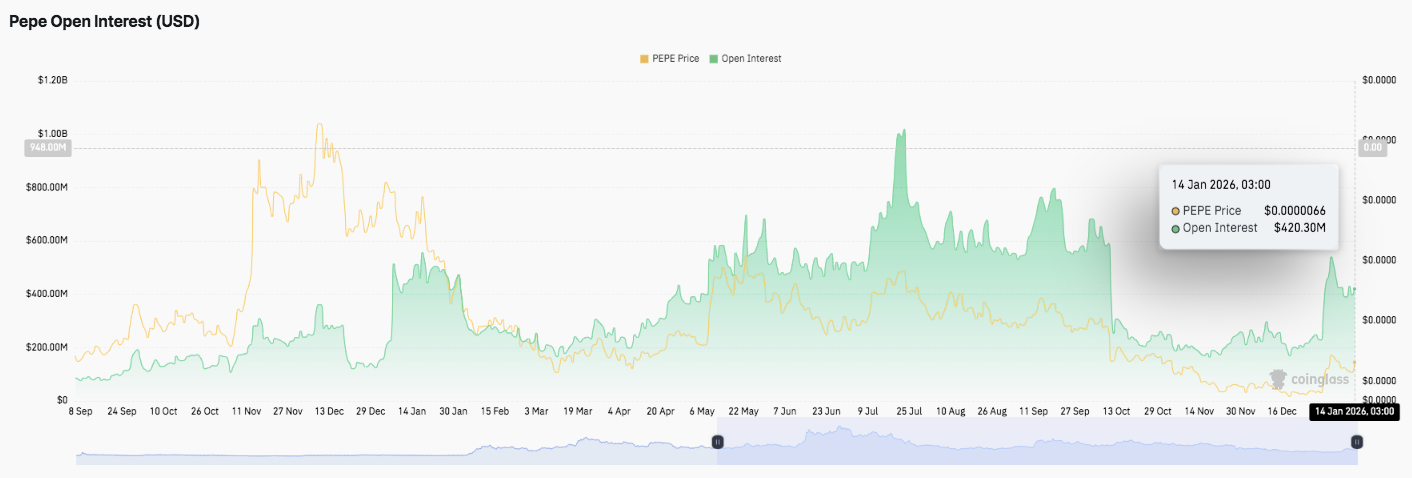
Pepe Price Prediction: PEPE Eyes Recovery as Support Holds and Market Activity Stabilizes
CoinEdition·2026/01/14 08:33
Flash
14:45
No Blind Imitation: Berkshire Adopts a Cautious AI Strategy and Establishes Three Key Principles```htmlGolden Ten Data reported on May 2nd that Berkshire has adopted a cautious and pragmatic approach in advancing AI applications. The company clearly stated it will not blindly pursue general AI, but will focus on precisely applying narrow AI to real business scenarios. To this end, Berkshire has established three core application principles: First, it brings in high-end technical talent and engineering teams to drive deployment, with executives and senior teams participating in system architecture and execution. Second, it strictly adheres to safety and governance standards, strengthens data integration and risk prevention, and continuously verifies the consistency between AI output and business objectives. Third, it insists that core decision-making power must be controlled by humans, with AI serving only as an auxiliary tool; all key management, risk control, and business decisions remain fully in human hands. In addition, the company emphasizes employee skills retraining to adapt to job transformations in the AI era, and strictly controls the operational and compliance risks associated with technology adoption, ensuring AI complements rather than replaces the main business.```
14:43
Berkshire refuses to follow the AI investment trend, CEO continues Buffett's consistent investment philosophyOnly when real value is seen will investment be made. The application of AI brings opportunities to all businesses.
14:37
Buffett pays tribute to Cook as Berkshire and AppleGolden Ten Data reported on May 2 that during the Berkshire Hathaway annual shareholders meeting, Warren Buffett asked the outgoing Apple CEO Tim Cook to stand up and bow. Buffett’s gesture echoes Berkshire Hathaway’s own transition process, as he is handing over leadership to the new CEO, Greg Abel.
News