
News
Stay up to date on the latest crypto trends with our expert, in-depth coverage.

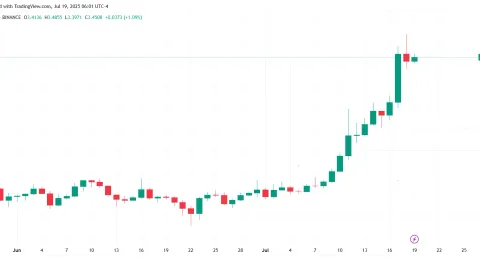
Is XRP a Good Investment in 2025?
CryptoNewsNet·2025/07/19 16:26
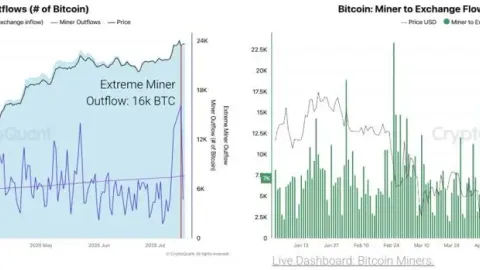
BTC inflows to exchanges hit 81K BTC as whales, miners cash in on rally
CryptoNewsNet·2025/07/19 16:26
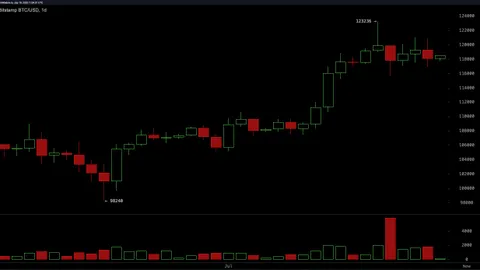
Bitcoin Price Watch: Momentum Cools but Uptrend Remains Intact
CryptoNewsNet·2025/07/19 16:25
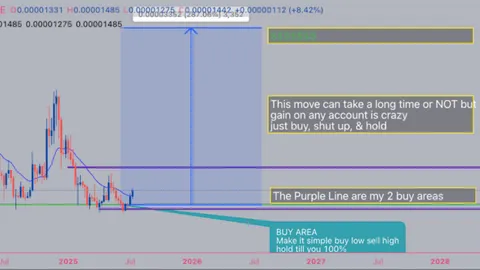
Shiba Inu Gains Strength: 3 Bullish Indicators for SHIB Investors to Watch
CryptoNewsNet·2025/07/19 16:25

Cardano looking to overtake Tron after rallying 10% today
Coinjournal·2025/07/19 16:11

Dogecoin breaks seven-month downtrend with 12.48 % price spike
Coinjournal·2025/07/19 16:11

Ethereum bull run just starting, analyst says as whale scoops $70m ETH
Coinjournal·2025/07/19 16:11

XRP price soars 24% last week: what’s next for the Ripple token?
Coinjournal·2025/07/19 16:10

XRP Price Prediction for July 21, 2025: XRP Consolidates Near $3.45 After 50% Weekly Rise
CoinEdition·2025/07/19 16:00
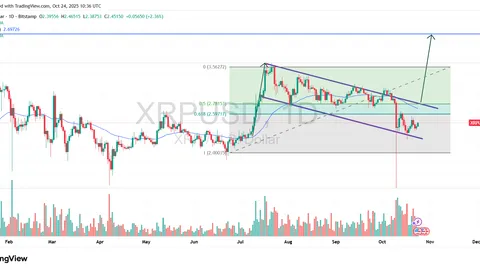
XRP prints a textbook bull flag; a confirmed break would imply ~81% upside toward ~$4.44
Kriptoworld·2025/07/19 16:00
Flash
06:17
A certain whale has initiated the third ETH/BTC exchange transaction of the year, selling 4695 ETH to acquire 133.8 BTC. BlockBeats News, July 5th, according to EmberCN monitoring, the ETH/BTC exchange rate has rebounded from a low of 0.0252 to 0.0285 in the past month. A whale who has already realized a coin-based profit through two ETH/BTC exchange rate trades this year totaling 6389 ETH (approximately $11.34 million) has today initiated the third ETH/BTC exchange rate trade of the year, selling 4695 ETH at a rate of 0.0285 and acquiring 133.8 BTC.
The whale has bet that the ETH/BTC exchange rate will weaken in the future, meaning that ETH will have a smaller increase or a larger decrease compared to BTC. On-chain data shows that this whale has sold ETH at high rates and bought back at low rates in the first two ETH/BTC swing trades of the year, accumulating a total of 6389 ETH.
Specifically, in early January, they sold 22,345 ETH to acquire 774 BTC, and by the end of January, they exchanged back to 24,564 ETH, profiting 2219 ETH; in mid-April, they sold 24,564 ETH to acquire 784.7 BTC, and in early June exchanged back to 28,734 ETH, further profiting 4170 ETH.
06:04
Dave Portnoy: I Will Hold Bitcoin Bought Near the 100,000 USD High Until It Goes to ZeroBarstool Sports founder Dave Portnoy stated that after buying Bitcoin near its 100 thousand dollar high, he will hold the asset until it goes to zero.
06:02
A certain whale deposited 2.76 million USDC into the Kamino lending pool to earn lending yields.BlockBeats news, on July 5, according to monitoring by Onchain Lens, whale address "FU76ac" has deposited approximately $2.76 million USD worth of USDC into Kamino Finance's lending treasury. These funds were routed to the Kamino Lending Program through the Invest function of the Kvault Program to participate in lending and earn returns.
News