
News
Stay up to date on the latest crypto trends with our expert, in-depth coverage.

1Bitget UEX Daily | Major Indices Rise Together with MU Hitting New Highs; US-Iran Talks Continue to Advance; Earnings Season Enters Critical Window (May 27, 2026)2Everyone is dumping software and buying chips.3SpaceX IPO Plants a “Governance Nuclear Bomb”: Musk Is Almost Impossible to Remove, Shareholder Rights Protection Threshold as High as $52.5 Billion

Gold price falls to two-month low on inflation fears
Mining.com·2026/05/27 15:57
HYPE ETFs quietly cross $100M in net inflows
Cryptobriefing·2026/05/27 15:57
Euro rises as traders expect US-Iran deal soon, USD slips
FXStreet·2026/05/27 15:57
Bitcoin underperforms as ETF outflow streak drags on and stocks hit new highs
Cryptobriefing·2026/05/27 15:48
Marvell Technology stock soars 142.3% ahead of earnings report
Cryptobriefing·2026/05/27 15:36
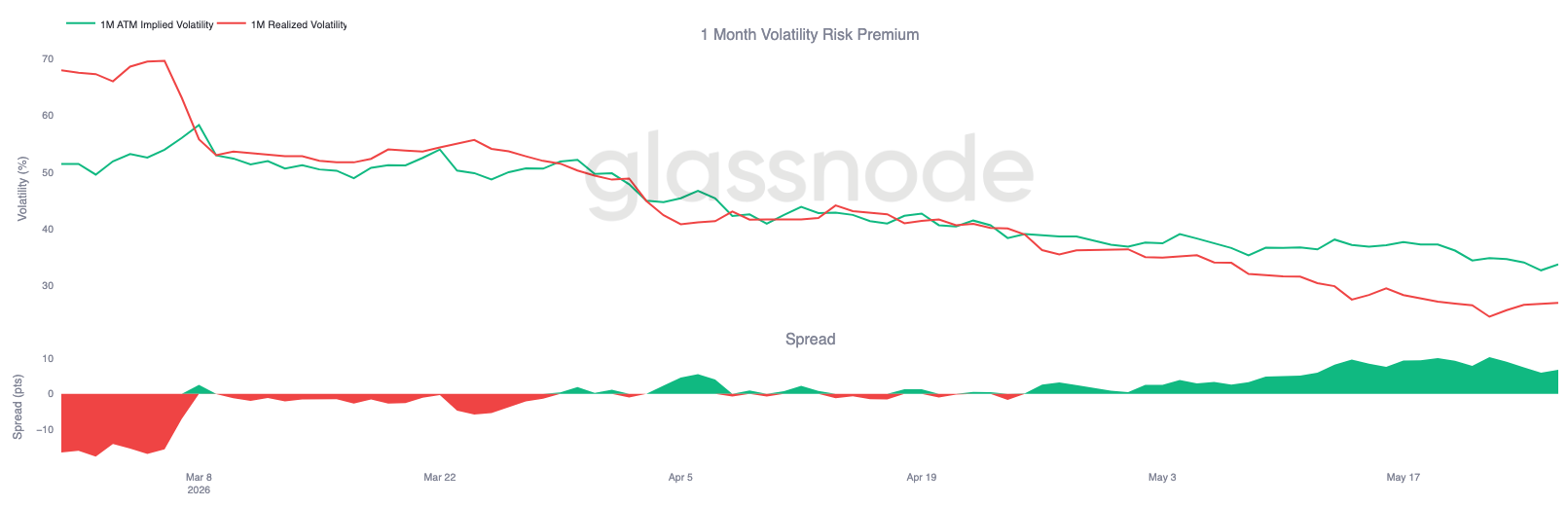
Stalling at the Threshold
Glassnode·2026/05/27 15:36
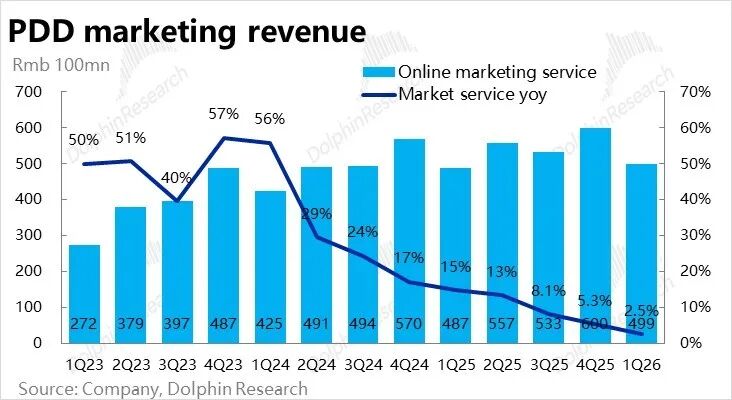
Pinduoduo: Old and "Arrogant", Now Universally Disliked
海豚投研·2026/05/27 15:30
Shiba Inu futures interest plunges 190 percent in 24 hours
Cointurk·2026/05/27 15:24
Tokenized Pokémon card marketplaces hit record $7.4 million as hype peaks ahead of 30th anniversary
The Block·2026/05/27 15:19
MP Materials accuses USA Rare Earth of magnet tech theft
Mining.com·2026/05/27 15:09
Flash
16:05
Analysts expect U.S. crude oil inventories to decrease for the fifth consecutive week.Survey shows that US crude oil inventories may decline for the fifth consecutive week, while gasoline inventories are expected to drop for the 15th consecutive week.According to the average estimate of nine analysts and traders, for the week ending May 22, commercial crude oil inventories are expected to decrease by 4 million barrels to 441 million barrels. The forecast range is a decrease of 2 million barrels to a decrease of 6.8 million barrels.Gasoline inventories are expected to drop by 2.2 million barrels to 212 million barrels, with the forecast range from a decrease of 500,000 barrels to a decrease of 3.4 million barrels.Distillate inventories (mainly diesel) are expected to decrease by 1.1 million barrels to 101.8 million barrels this week, following modest increases in the previous two weeks. The estimate for distillate inventories ranges from a decrease of 3 million barrels to an increase of 3.1 million barrels.The survey indicates that refinery capacity utilization may rise by 0.8 percentage points to 92.4%. The estimate range is an increase of 0.5 percentage points to an increase of 1.1 percentage points. Two analysts did not forecast refinery capacity utilization.
16:01
U.S. battery materials company announces public offering of 2.7 million shares of common stockThis issuance also includes warrants to purchase an additional 2.7 million shares of common stock. The financing plan aims to provide funding for the company's operations and potential development projects.
16:01
Food insecurity intensifies the K-shaped divergence in the United States, undermining consumer confidence among low-income householdsThe Federal Reserve Bank of New York has released its latest research report, revealing that food insecurity is rapidly worsening within the United States. This is identified as one of the core reasons why, despite overall economic stability, consumer confidence remains persistently low. According to the Bank's survey data, from October 2025 to February 2026, multiple groups across the country have had to rely on savings for daily living, faced food shortages, or were even forced to diet and depend on social food assistance, with the proportion of affected households rising significantly. This issue spans all age groups and ethnicities, with low-income, low-education, non-white, and families with young children being the most severely impacted. Such households are generally experiencing deepening pessimism, and their employment expectations have dropped sharply. The report once again confirms the K-shaped economic divergence in the United States: wealthy groups are benefitting from gains in the stock market, stable employment, and low-cost mortgages, enjoying the economic boom; meanwhile, vast numbers of middle- and lower-income groups are mired in financial difficulties, suppressed by high inflation, high interest rates, and costly living expenses. Defaults on credit cards, car loans, and student loans remain persistently high. Industry analysts point out that the growing economic pessimism among Americans is due, on the one hand, to the government raising import tariffs and energy volatility caused by conflicts in the Middle East, leading to renewed inflation pressures; on the other hand, the domestic job market has cooled, ending the recruitment boom seen during the pandemic, with overall job creation and reduction becoming more conservative, further intensifying the survival pressure on grassroots families and highlighting the widening income gap issue.
News