
News
Stay up to date on the latest crypto trends with our expert, in-depth coverage.

1Bitget UEX Daily | Iran Negotiation Foundation Destroyed, Hormuz Strait Closed; Intel Surges on Terafab Project Participation (2026-04-09)2Seagate Shares Jump 37% Within Six Days as Technical Indicators Suggest Overbought Conditions3Gold Trading Reminder: Soaring and Then Plunging! US-Iran Ceasefire Triggers Rollercoaster in Gold Market, Hidden Dangers Loom Behind


Gold prices treading water as U.S. economy slowed further in Q4 and inflation pressures remain elevated
101 finance·2026/04/09 12:55
NOMERC20 (NOM) fluctuates 52.5% in 24 hours: Abnormal trading volume drives rebound amid low liquidity
Bitget Pulse·2026/04/09 12:51
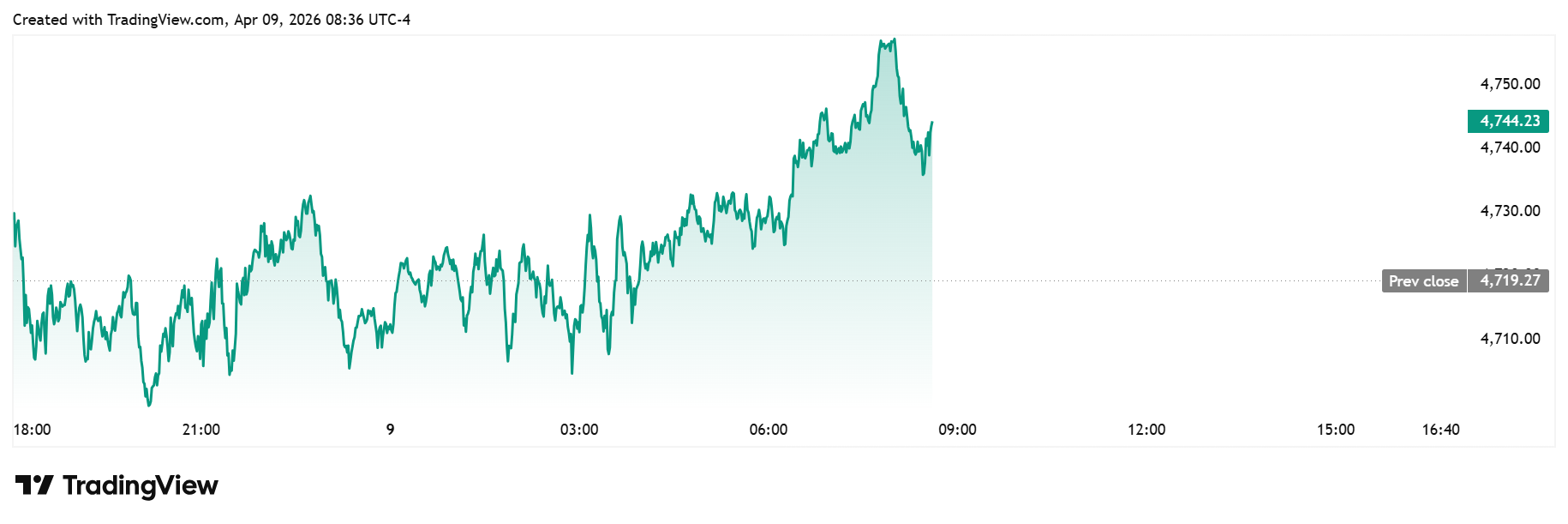
Spot gold remains close to its peak as U.S. weekly jobless claims increase to 219,000
101 finance·2026/04/09 12:48
Weekly reports on unemployment insurance claims in the US
101 finance·2026/04/09 12:39
US Individual Earnings and Expenditures, February 2026
101 finance·2026/04/09 12:39

Gold may repeat the crash crisis of the 1980s
汇通财经·2026/04/09 12:28
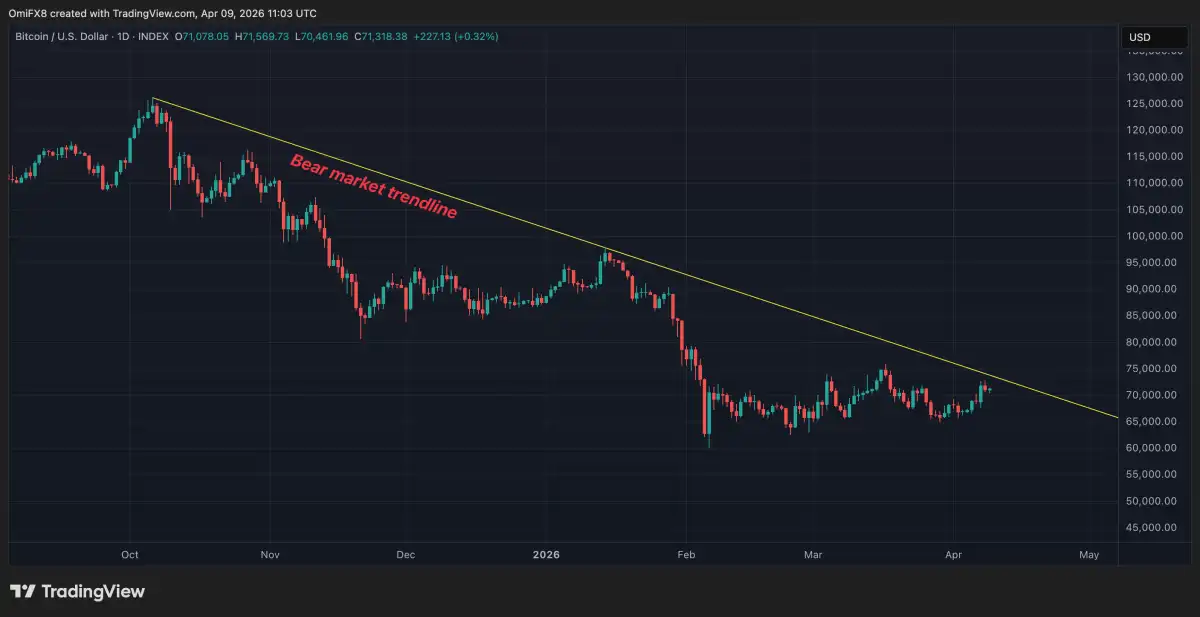
Bitcoin's $80,000 Bull Bet Just Took Over the Market | Crypto Daybook
moomoo-证劵·2026/04/09 12:09
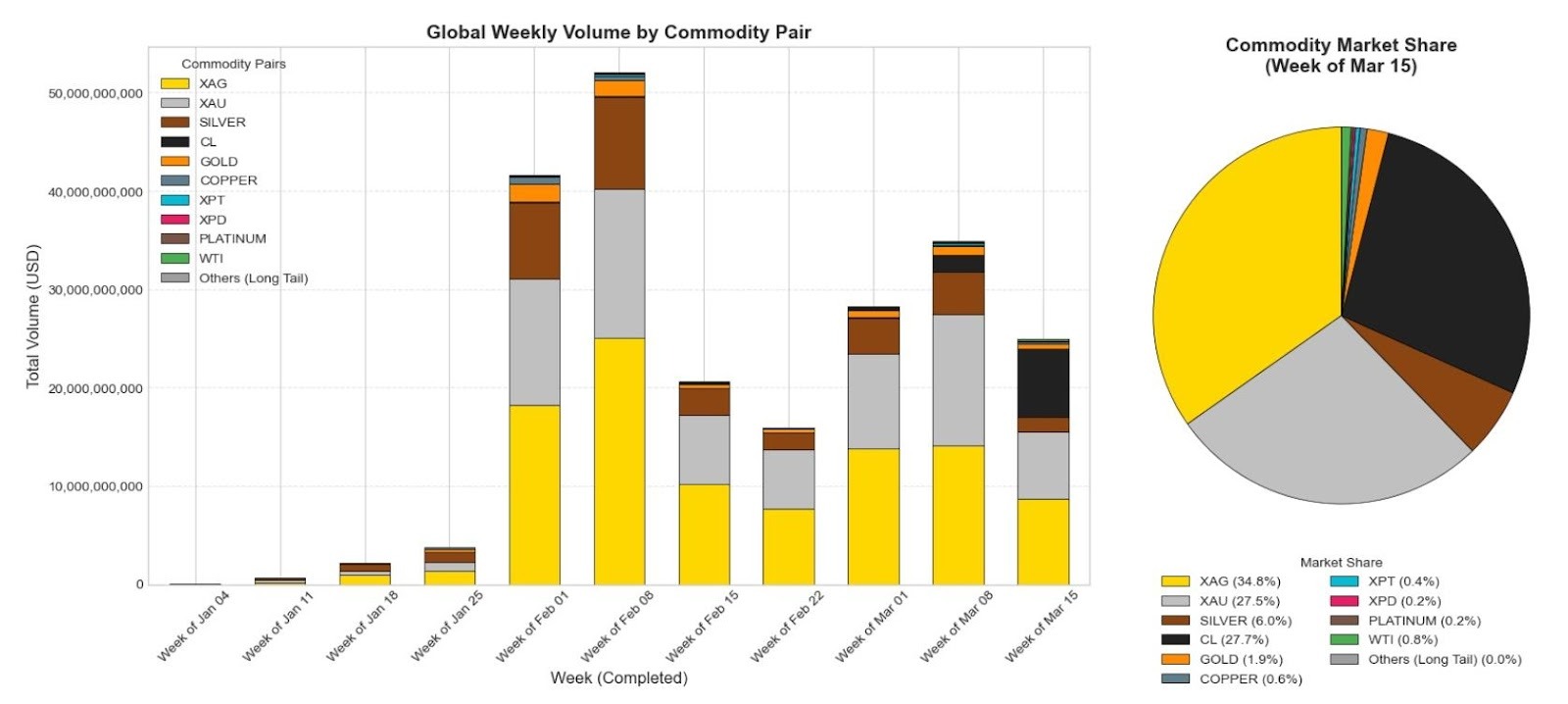
Gold, silver and oil drive 65,000% jump in commodity perpetuals
Cointelegraph·2026/04/09 12:06
Flash
13:04
The ceasefire celebration cannot hide the aftermath; oil prices have dropped by 40% but are still significantly higher than before the war.The institutional columnist Jamie McGeever pointed out that the relief rally in global markets triggered by the ceasefire agreement and the sharp drop in oil prices is not surprising, but the economic outlook after the initial excitement fades will be far more severe than investors currently believe.Even disregarding the very real risk that the two-week ceasefire agreement may collapse and oil prices may return above $100 per barrel, the economic damage caused by the past six weeks of war will persist for a considerable period of time.On Wednesday, the Nasdaq Index had already returned to its level before the US-Israel attack on Iran on February 28, and the S&P 500 Index was not far behind, with the buy-the-dip mentality once again pulling Wall Street back from a series of shocks.TD Securities strategists warned that the new normal will be completely different from before the war; it may take several months for the normalization of energy supply, inflation, growth, and monetary policy to become clear.In the next six weeks, the decline in gasoline, jet fuel, utilities, and fertilizer prices is unlikely to keep up with the surge seen in the previous six weeks, leaving households and businesses to face energy costs far higher than levels on February 27, which will inevitably put pressure on spending and profits.Although US oil futures have fallen 20% from the peak of the war last month and recorded the largest single-day drop in five years on Wednesday, they are still 40% higher than pre-war levels and about 60% higher than the same period last year; this base effect continues to pose a threat to the overall inflation outlook.As energy costs are gradually passed through to utility, food, and manufactured goods prices, it will likely be difficult for US annual inflation to consistently stay below 3% this year, and the probability of reaching 4% may be higher than that of falling back to the Federal Reserve's 2% target.Experts estimate that at least 10 million barrels of crude oil must pass through the Strait of Hormuz daily to bring substantial relief to oil prices, which would only restore volumes to half the pre-war level—a scenario that is nearly impossible to achieve in the short term.Stagflation pressures will be significantly stronger than before the war, and governments' fiscal positions will worsen under the dual squeeze of crisis spending and rising debt service costs; persistent policy uncertainty is diminishing central banks' willingness to cut rates and increasing the tendency to raise them.Citigroup's Head of Equity Trading Strategy, Stuart Kaiser, admitted he would not chase the S&P 500 Index for further gains; in an environment fraught with economic risks, prudence is the wise choice.
12:59
European Financial Institution: Oil Price Unlikely to Return to Pre-US-Iran Conflict Levels in the Short TermBlockBeats News, April 9th, according to CCTV News, on the 8th, several European financial institutions released a report predicting that international oil prices are unlikely to return to the level before the US-Iran conflict in the short term. The market needs to pay attention to the situation in the Strait of Hormuz and the recovery of infrastructure in the Middle East.
ING Group stated that the news of the US and Iran agreeing to a two-week ceasefire has alleviated to some extent the market's concerns about long-term oil supply disruption. International oil prices have fallen to below $100 per barrel. The future trend of oil prices will depend on whether negotiations can reach a lasting agreement and whether shipping through the strait can return to normal levels. It is expected that the market will continue to experience volatility during the negotiation period.
UBS Group stated that it is still unclear when the strait's shipping can resume and to what extent. Some oil tankers will need time to replan their routes. If shipping through the strait is blocked again, energy prices may quickly rebound. Furthermore, even in an optimistic scenario, the repair of energy infrastructure and production recovery will take weeks or even months. Therefore, energy prices are unlikely to fall back to pre-conflict levels in the short term.
12:57
Data: JPYC sees $137 million trading volume in half a year, with Polygon accounting for 66%Odaily reports that since late October last year, the total trading volume of the compliant Japanese stablecoin JPYC has reached 137 million US dollars. Polygon holds a dominant position with 90.4 million US dollars, accounting for 66%, while Avalanche and Ethereum account for 26.4 million and 19.7 million US dollars, respectively. The founder of Polygon has confirmed that physical stores in Japan now support offline JPYC payments via the Polygon network.
News