
News
Stay up to date on the latest crypto trends with our expert, in-depth coverage.

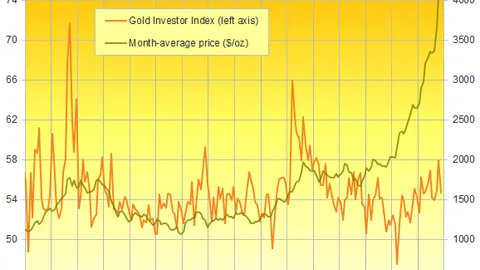
No Vaccine Shot for Gold and Silver Fever
101 finance·2026/01/16 10:51
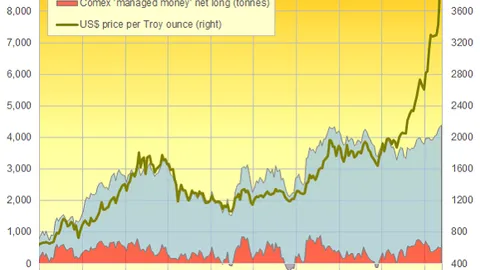
Oh dear! Is gold really being pushed up by speculators?
101 finance·2026/01/16 10:51

PENGU Price Misses the Signal in Pudgy Penguins’ Manchester City Deal
BeInCrypto·2026/01/16 10:48
Sui Mainnet Stall: What Caused the 6-Hour Outage?
Coinomedia·2026/01/16 10:39
Pump.fun revamps creator fees as Solana memecoin launches near 30,000 daily
Crypto.News·2026/01/16 10:36

Shiba Inu (SHIB) Key Price Reset: Big Chance for Recovery
CryptoNewsNet·2026/01/16 10:30

DeadLock ransomware abuses Polygon blockchain to rotate proxy servers quietly
Coinjournal·2026/01/16 10:21
Oil prices slide as Iran risk premium eases – OCBC
101 finance·2026/01/16 10:18
Stablecoin rails give Interactive Brokers 24/7 funding edge with USDC, RLUSD, PYUSD
Crypto.News·2026/01/16 10:18

100x Crypto Presale Incoming? DOGEBALL vs Maxi Doge – Which One Has Real Utility in 2026?
BlockchainReporter·2026/01/16 10:15
Flash
03:36
Ethereum spot ETFs saw a net outflow of $13.67 million this week, marking eight consecutive weeks of net outflows.Foresight News reported, according to SoSoValue data, during this week's trading days (Eastern US time June 29 to July 3), the Ethereum spot ETF saw a net outflow of 13.67 million USD. The Ethereum spot ETF with the highest net outflow this week was the BlackRock ETF ETHB, with a weekly net outflow of 39.216 million USD. The historical total net inflow for ETHB currently stands at 519 million USD. Next was the Grayscale Ethereum Mini Trust ETH, with a weekly net outflow of 24.1797 million USD and a historical total net inflow of 1.81 billion USD. The Ethereum spot ETF with the highest net inflow this week was the BlackRock ETF ETHA, with a weekly net inflow of 44.6504 million USD. The historical total net inflow for ETHA currently stands at 11.12 billion USD. As of the time of publication, the total net asset value of Ethereum spot ETFs is 9.02 billion USD, with the ETF net asset ratio (market cap as a percentage of the total Ethereum market cap) reaching 4.38%, and the historical cumulative net inflow has reached 10.89 billion USD.
03:26
Goldman Sachs sharply lowers yen forecast, may fall to 165 within a yearGolden Ten Data reported on July 6 that Goldman Sachs expects the Japanese yen will fall to 165 per US dollar within a year, down from its previous forecast of 155, making it one of the most bearish institutions on the yen. Strategist Fishman noted that downward pressure on the yen comes from Japan's fiscal challenges, persistently high US Treasury yields, and the Bank of Japan’s slow pace of rate hikes, even though the yen is already severely undervalued. Positioning supports further weakness in the yen. Data shows that hedge funds’ short bets against the yen hit the highest level since 2017 last month, with the market estimating about a 72% chance that USD/JPY will rise to 165 by June next year. Goldman Sachs also favors using the yen as a funding currency for carry trades, i.e., borrowing yen to invest in high-yielding assets. The bank forecasts USD/JPY at 162 in three months and 163 in six months (previously 160 and 158, respectively), and believes official intervention will have only a short-lived effect, with the underlying reasons for yen weakness still remaining.
03:17
Korean media: Samsung Electronics and SK Hynix may delay the adoption of next-generation HBM hybrid bonding technologyAccording to Odaily, South Korean media report that Samsung Electronics and SK Hynix are re-evaluating the timeline for adopting hybrid bonding technology in the next generation of high-bandwidth memory (HBM). As the demand for further thickness reduction and improved thermal performance in HBM has decreased, the market now expects the introduction of this technology may be postponed even further compared to previous projections. At the same time, both companies are developing new cooling solutions such as HPB and iHBM, which they plan to apply to their HBM5 products. However, industry insiders believe that as the number of HBM I/O channels continues to increase in the future, hybrid bonding will remain an important mid- to long-term technological direction.