
News
Stay up to date on the latest crypto trends with our expert, in-depth coverage.

1Bitget UEX Daily | Trump Plans to Declare Iran War Victory Closure; SpaceX Secret IPO; Storage and Optical Communication Strong Rebound (April 2, 2026)2SpaceX's $75B Public Offering: Unprecedented Liquidity Surge at 100 Times Revenue3UBS warns: Yen may fall to 175, intervention will only "drain foreign exchange reserves without turning the tide"

Globalworth's 20% Scrip Discount Offers Tax-Efficient Reinvestment Edge for Institutional Holders
101 finance·2026/04/02 07:18
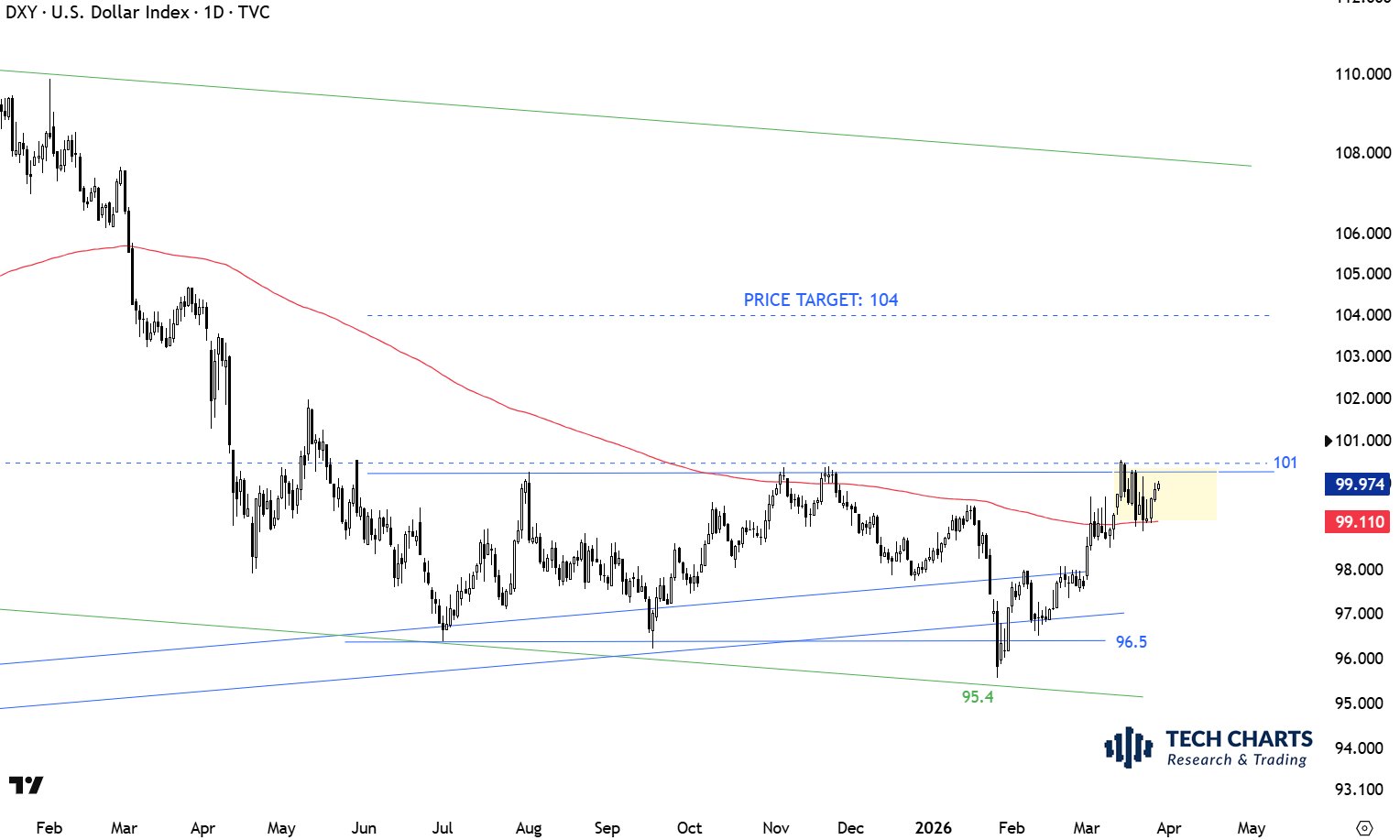
Bitcoin trader sees 'new lows' as US dollar due highest level since mid-2025
Cointelegraph·2026/04/02 07:18

Options Traders Pick Sides on Centessa as Lilly’s $38 Bid Turns Binary
101 finance·2026/04/02 07:15



AsiaFIN’s Bold Fintech Gamble: Will Regulatory Progress Surpass Financial Losses?
101 finance·2026/04/02 07:09

Maven Renovar VCT’s Board Faces Critical August Vote for Survival Amid Impending Tender Offer
101 finance·2026/04/02 07:03


St. James's Place Share Repurchase Has Little Impact as Executives Offload Stock, AI Threats Emerge
101 finance·2026/04/02 07:00

Pearson’s Rapid Share Repurchase: A Strategic Squeeze or an Underestimation of Growth Challenges?
101 finance·2026/04/02 06:57
Flash
07:19
Analyst: Stronger US dollar will limit medium-term gains in crude oilGolden Ten Data reported on April 2 that XS.com analyst Rania Gule indicated in a report that in the short term, crude oil prices are highly likely to break through $110 per barrel again. She said that after recent remarks made by Trump, traders are building positions in anticipation of further supply disruptions. Currently, the market has not fully priced in the risk of a comprehensive escalation of the Middle East situation, so short-term upside risks outweigh downside risks. However, analysts have a more balanced view for the medium term, as renewed expectations of a Federal Reserve rate hike could strengthen the US dollar, thereby putting pressure on dollar-denominated commodities such as oil. She added that the medium-term outlook for crude oil still depends on the ability of the global economy to absorb the impact of high interest rates.
07:14
Bitunix Analyst: Energy and Industrial Metal Supply Chains Simultaneously Affected, War Escalates to "Physical Production System", Market Enters Stage of Inflation and Risk MismatchBlockBeats News, April 2 — On April 2, the core contradiction in the market further expanded from “energy supply uncertainty” to “physical industrial capacity damage.” The largest aluminum producer in the Middle East, EGA, suffered a comprehensive shutdown after its smelter was attacked, and combined with production cuts at several aluminum plants in the region, this means the war is now affecting not just energy and shipping, but is directly disrupting the industrial metals supply chain and transmitting inflationary pressure from oil prices to the manufacturing end. This resonates with OPEC production cuts and blockages in the Strait of Hormuz, escalating global supply contraction from a single category to the dual squeeze of “energy + industrial raw materials.” Inflation expectations are surging again, and Federal Reserve officials have explicitly stated that the energy shock will fully drive up prices, with policy forced to remain restrictive. Meanwhile, Trump has outlined a clear timeframe, stating the next two to three weeks will see increased military strikes, but offered no path to reopening the strait or de-escalating the conflict. This has caused oil prices to rise rapidly and bond yields to recover, while gold, on the contrary, has been sold off. This shows the market is not entering a classic risk-off mode, but has turned to “repricing liquidity”— capital is moving out of non-yielding assets towards cash and assets with pricing power. Alongside the US considering potential tariffs on steel, aluminum, and pharmaceuticals, and synchronously promoting policies on technology, military, and resources, global trade and supply chains are being further fragmented, and risks are spreading across multiple fronts. The geopolitical structure remains highly unstable. Iran has shown no substantive willingness to negotiate and continues to strengthen regional strikes and strategic deterrence; this means the conflict is evolving from a bilateral confrontation into a multi-party engagement, increasing the risk of protracted and uncontrollable escalation. Against this backdrop, market behavior displays typically “short-term and defensive” characteristics. US employment and manufacturing data appear stable on the surface, but price indicators are rising in tandem, showing that the economy has not yet weakened but is already bearing cost pressures. As a result, capital is inclined to reduce duration and risk exposure. BTC remains the asset absorbing risk; upward liquidity continues to accumulate in the 69,000–70,100 zone but has not been effectively absorbed, with the price suppressed at 68,000, reflecting insufficient willingness among capital to take positions. The 65,500 level below is the key test area under the current structure; should the energy situation or warfare escalate again, this zone could trigger a chain liquidity release. Overall, the market has entered a new phase dominated by “supply chain destruction”: energy, metals, and geopolitics are all at play, pushing up inflation expectations without supporting growth, forming a classic mismatch between risk and price. In the absence of policy anchors and a solution to the war, asset prices will continue to be guided by liquidity and risk appetite.
07:13
JPMorgan lowers Lyft target price to 17 USDGlonghui April 2 — JPMorgan has lowered Lyft's target price from $19 to $17, maintaining a “neutral” rating.
News