
News
Stay up to date on the latest crypto trends with our expert, in-depth coverage.

1Bitget UEX Daily | US-Iran Talks Near Agreement; Robinhood Plans $1.5B Stock Buyback; PDD Reports Earnings Today (March 25, 2026)2Circle’s European Expansion: Will Adaptable Regulations Release $316B in Stablecoin Transactions?3Bitcoin Remains Steady at $70K as Gold Plummets: Interpreting Market Movements Amid Geopolitical Turmoil
Paysign Ignites: A 29.57% Surge Defies Gravity, What Drives the Explosion?
101 finance·2026/03/25 14:07
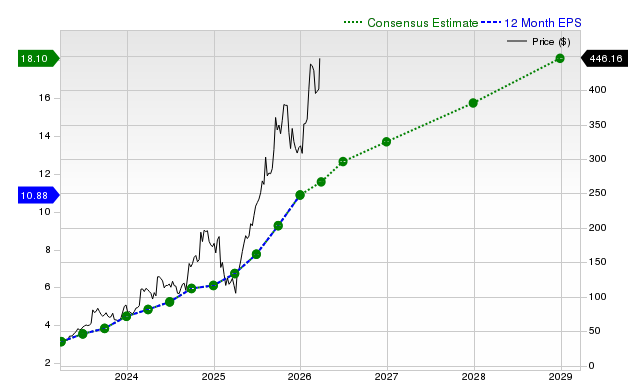
Sterling Infrastructure, Inc. (STRL) is Drawing Interest from Investors: Important Information You Need to Know
101 finance·2026/03/25 14:07
Fitness Champs Plummets 36%: A Volatility Shockwave Amidst Unexplained Selloff
101 finance·2026/03/25 14:07

FormFactor and Copart have been selected as Zacks Bull and Bear of the Day
101 finance·2026/03/25 14:07
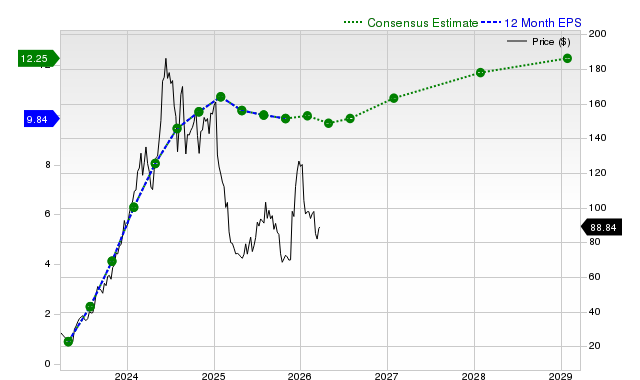
Abercrombie & Fitch Company (ANF) Is Gaining Attention: Key Information to Consider Before Investing
101 finance·2026/03/25 14:07
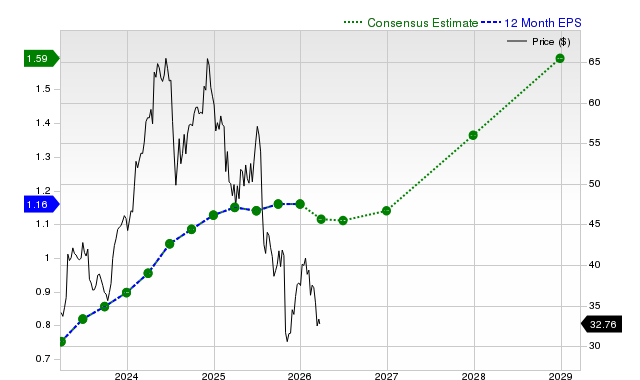
Chipotle Mexican Grill, Inc. (CMG) is Drawing Interest from Investors: What You Need to Be Aware Of
101 finance·2026/03/25 14:07
XRP Ledger Validator Shares Major XRP Update
TimesTabloid·2026/03/25 14:06
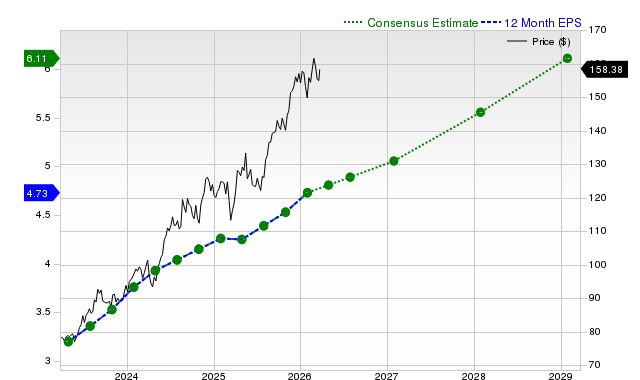
Is It a Good Time to Invest in The TJX Companies, Inc. (TJX), One of the Most Popular Stocks?
101 finance·2026/03/25 14:04

Optics Ignites: Lightwave Logic Surges Past 12% as AI Narrative Rewrites the Board
101 finance·2026/03/25 14:04
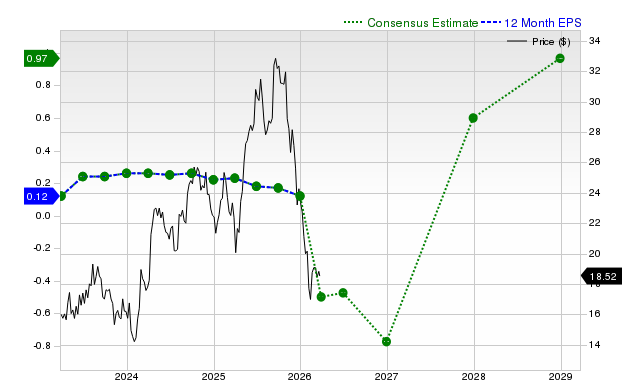
Investors Are Actively Looking Into Coupang, Inc. (CPNG): Key Information You Should Be Aware Of
101 finance·2026/03/25 14:03
Flash
14:05
Iraqi oil production plunges significantly due to conflict and transportation disruptions, with output from major southern fields down by about 80%BlockBeats News, March 25th, an official from the Iraqi Ministry of Energy stated that due to the ongoing Iran war, combined with crude oil storage near full capacity and transport disruption at the Strait of Hormuz, the country's oil production has continued to significantly decline.
Data shows that production from major oil fields in southern Iraq has further dropped by about 80%, to around 800,000 barrels per day; whereas earlier this month, the region's production had already fallen from a pre-war level of around 4.3 million barrels per day to 1.3 million barrels per day. To address storage pressure and export bottlenecks, Iraq has decided to further cut production starting from Tuesday.
In addition, the Iraqi authorities have requested BP to reduce production at the Rumaila oil field from around 450,000 barrels per day to 350,000 barrels per day; and have also asked Eni to cut production at the Zubair oil field from 330,000 barrels per day to 260,000 barrels per day.
13:57
TD Securities: Prolonged Oil Price Shock May Weaken the Dollar TD Securities strategists stated in a report that the ongoing oil price shock stemming from the Iran conflict could ultimately be detrimental to the U.S. dollar. They indicated that the U.S.'s energy independence should delay the impact on the U.S. compared to the EU and Asia, thus temporarily favoring the dollar in terms of growth and relative interest rate differentials. "Ultimately, even the U.S. and the Federal Reserve will not be immune to the growth and macro impacts of prolonged disruptions in the energy markets," they said. They added that if the Federal Reserve continues to cut interest rates by the end of this year, the dollar should weaken in the medium term. Concerns about the U.S. deficit may also be exacerbated by increased defense spending.
13:56
K33: Bitcoin's sideways movement signals a bottoming formation, diminishing selling pressure could trigger a structural reversalOdaily reported that crypto research institution K33 stated Bitcoin has recently been trading sideways, which may signal a shift in market structure. As selling pressure subsides, the market may gradually approach a temporary bottom. Vetle Lunde, K33’s research director, pointed out that in recent weeks, Bitcoin has been fluctuating mainly between $60,000 and $75,000. This range is accompanied by stabilized ETF flows and long-term holder activity, typically considered characteristics of a “market bottom.” Currently, the area around $70,000 is appealing to medium- and long-term investors. The report shows that since late February, Bitcoin ETF flows have turned to modest net inflows, suggesting the concentrated distribution phase since the historical peak may be nearing its end. The profit-taking and passive selling triggered earlier by a drop below cost price are waning, and market supply pressure decreases as prices retreat. Regarding long-term holders, the supply held for over six months has rebounded after a significant decline at the end of 2025, indicating investors are now more inclined to hold rather than sell within the current price zone, helping stabilize prices. However, the macro environment remains uncertain. Middle East geopolitical conflicts and oil price volatility, combined with the Federal Reserve's hawkish stance, suppress risk appetite and limit new capital inflows. Derivatives data also reflects market caution: Bitcoin perpetual futures open interest is near its yearly low, and funding rates persistently negative, indicating weak demand from bulls. Meanwhile, CME futures positions are basically flat, with institutional traders remaining largely on the sidelines. Nevertheless, K33 believes that the combination of easing selling pressure, stable ETF flows, and price range fluctuation signals the market may be transitioning from a distribution phase to a bottoming phase, even though short-term upside remains constrained by macro factors. (The Block)
News