
News
Stay up to date on the latest crypto trends with our expert, in-depth coverage.

1Bitget UEX Daily | Oil Prices Briefly Break 110 USD; US Stock Futures Fall Across the Board; Iran's New Leader Takes Office (March 09, 2026)2Oracle Q3 Earnings Preview: Limited Performance Boost, Market Seeks Long-Term Optimistic Outlook3On the Eve of the Oil Crisis
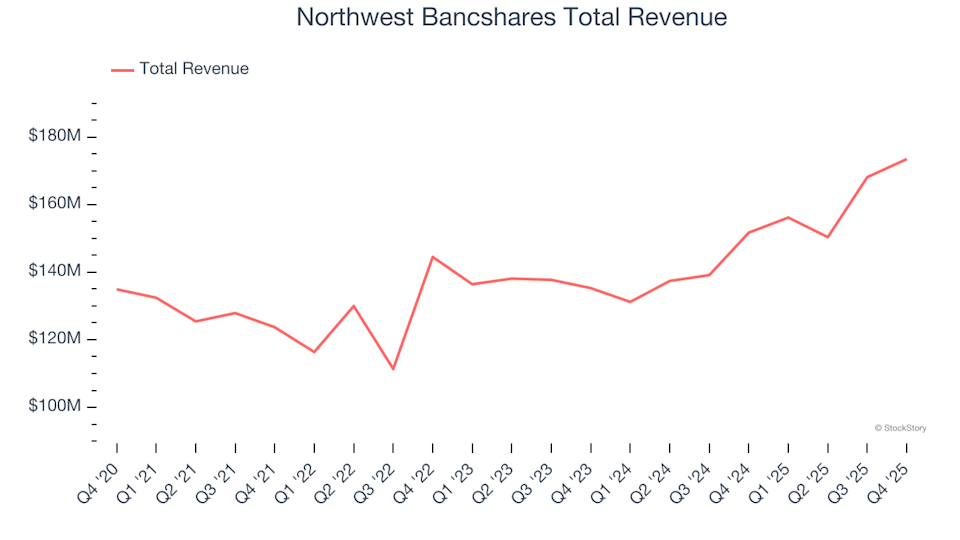
Thrifts & Mortgage Finance Stocks Q4 Summary: Northwest Bancshares (NASDAQ:NWBI)
101 finance·2026/03/09 09:33
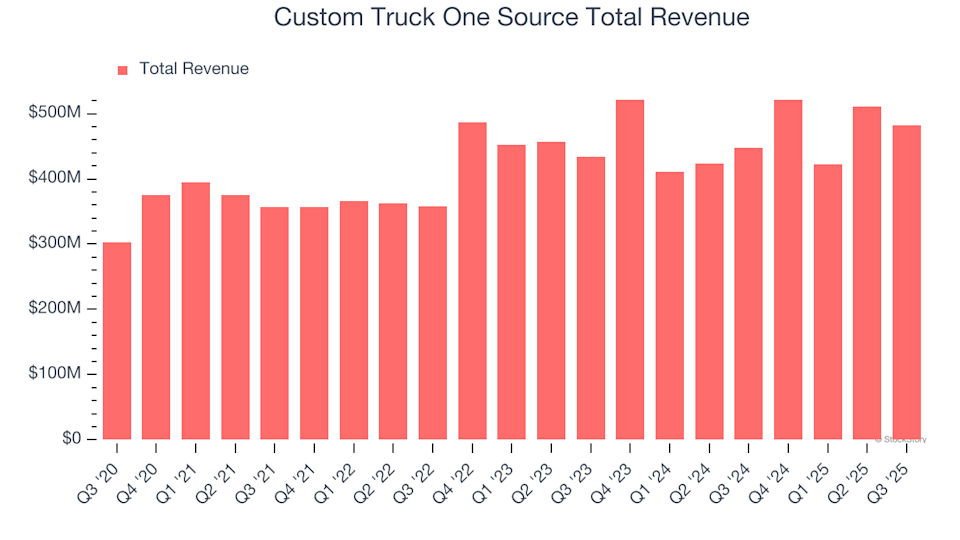
Custom Truck One Source (CTOS) Will Announce Earnings Tomorrow: Here’s What You Should Know
101 finance·2026/03/09 09:33

3 Losing Stocks That Miss the Mark
101 finance·2026/03/09 09:15
Himax’s Automotive S-Curve and WiseEye AI Edge Strategy: Laying the Groundwork for a Major Growth Surge
101 finance·2026/03/09 09:03
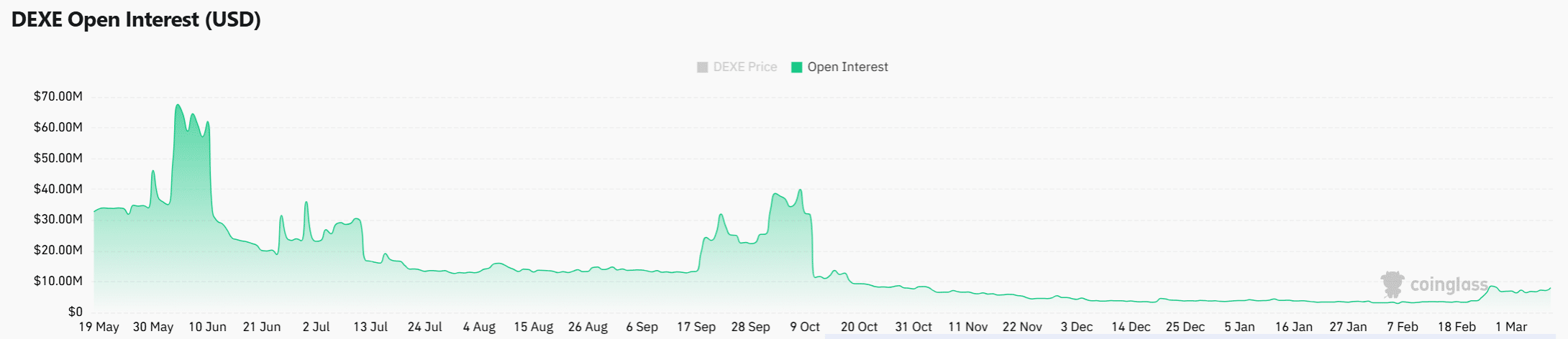
DEXE surges 17% as buyers dominate: Will a breakout push toward $7?
AMBCrypto·2026/03/09 09:03

Global bond market downturn intensifies as surging oil prices heighten stagflation concerns
101 finance·2026/03/09 09:00
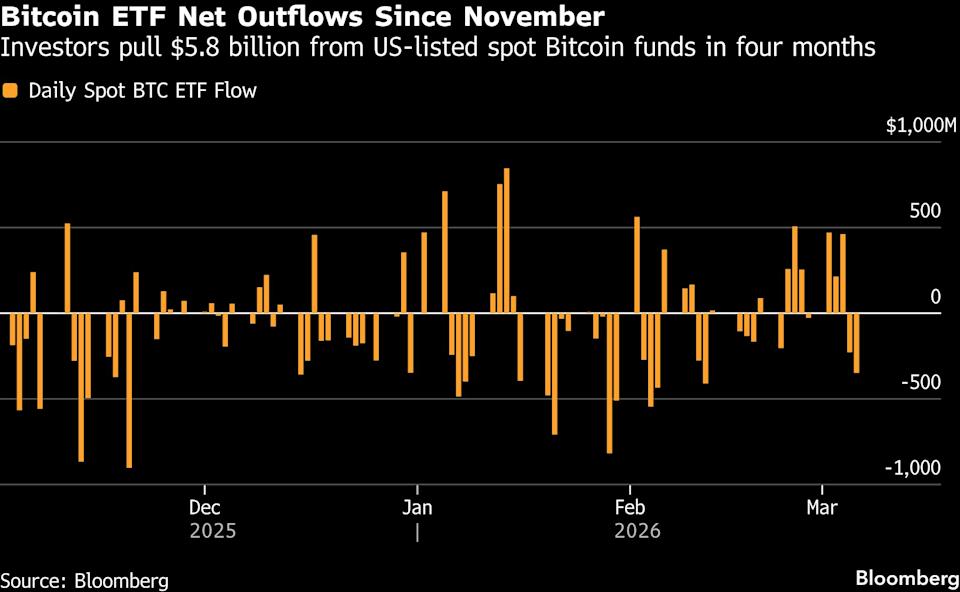
Bitcoin Outperforms Risk Assets Amid Oil Rally Driven by Iran War Fears
101 finance·2026/03/09 09:00

Live Nation Approaches DOJ Agreement That Would Not Require Selling Ticketmaster
101 finance·2026/03/09 09:00
USDJPY returns to the "intervention" zone while ongoing US-Iran conflict continues to bolster the US Dollar
101 finance·2026/03/09 08:42
Flash
09:42
UBS Global Research has pushed back the timing of the Bank of England's first interest rate cut to April 2026, with a full-year forecast of a 50 basis point cut. UBS Global Research updated its forecast on March 9, 2026, postponing the Bank of England's (BoE) first rate cut from March to April, and expects rate cuts of 25 basis points (bps) each in April and July, totaling 50 basis points for the year. The previous forecast was for 25 basis points cuts in March and June.
09:35
Eurozone March investor confidence index turns negative as Middle East conflict casts a shadow over recovery prospectsGolden Ten Data reported on March 9 that a survey on Monday showed the Sentix index, which measures investor confidence in the eurozone, fell from 4.2 in the previous month to -3.1 in March, reflecting the initial impact of the US and Israel's war with Iran on energy infrastructure and global shipping routes. Sentix stated that this is "the first sign of the economic situation after the outbreak of the Iran war," and noted that this decline ends three consecutive months of improvement. Sentix added: "This casts considerable doubt on the EU's recent recovery momentum. Energy price shocks and geopolitical risks are undermining the previous optimism about the eurozone's economic growth." The survey also showed declines in both economic expectations and current situation assessments. The expectations index dropped from 15.8 last month to 3.5, while the index measuring current conditions also fell from -6.8 in February to -9.5. The index for Germany, the largest economy in Europe, fell from -6.9 in February to -12.1.
09:35
Analysts: The oil price grace period is over, and the Federal Reserve may cut interest rates twice before NovemberGolden Ten Data reported on March 9 that for most of last week, the market actually gave the Middle East conflict a "grace period." At that time, it was generally believed that the situation would not spiral out of control or spill over into the broader economic sphere. However, now, with international oil prices breaking into triple digits, analysts believe this "grace period" has ended, and oil prices have started to price in the risk of escalating conflict. The analysis also pointed out that diesel prices in the United States will be affected, and diesel costs will eventually be passed on to the prices of various goods. Any goods that require truck transportation, such as groceries or items delivered to your doorstep, will be impacted. Mark Zandi, Chief Economist at Moody's Analytics, pointed out that if all these factors are taken into account, for every $10 increase in the price per barrel of oil, an average American household will have to bear about $450 more in annual expenses. Previously, many market participants expected the Federal Reserve to cut interest rates twice before the U.S. midterm elections in November. But currently, CME federal funds rate futures show that the market is betting the Federal Reserve will only cut rates once or twice in total this year, with the first rate cut coming no earlier than the end of July.
News