
News
Stay up to date on the latest crypto trends with our expert, in-depth coverage.


Raydium suffers $1,34 million attack and promises full reimbursement.
Portalcripto·2026/06/11 14:06
S&P 500 and Bitcoin futures rise today following new US attacks on Iran.
Portalcripto·2026/06/11 14:06
Another Clear Path for XRP and XLM Integration Into DTCC
TimesTabloid·2026/06/11 14:06
Indonesia raids gold company in $1.4B laundering probe
Mining.com·2026/06/11 13:33
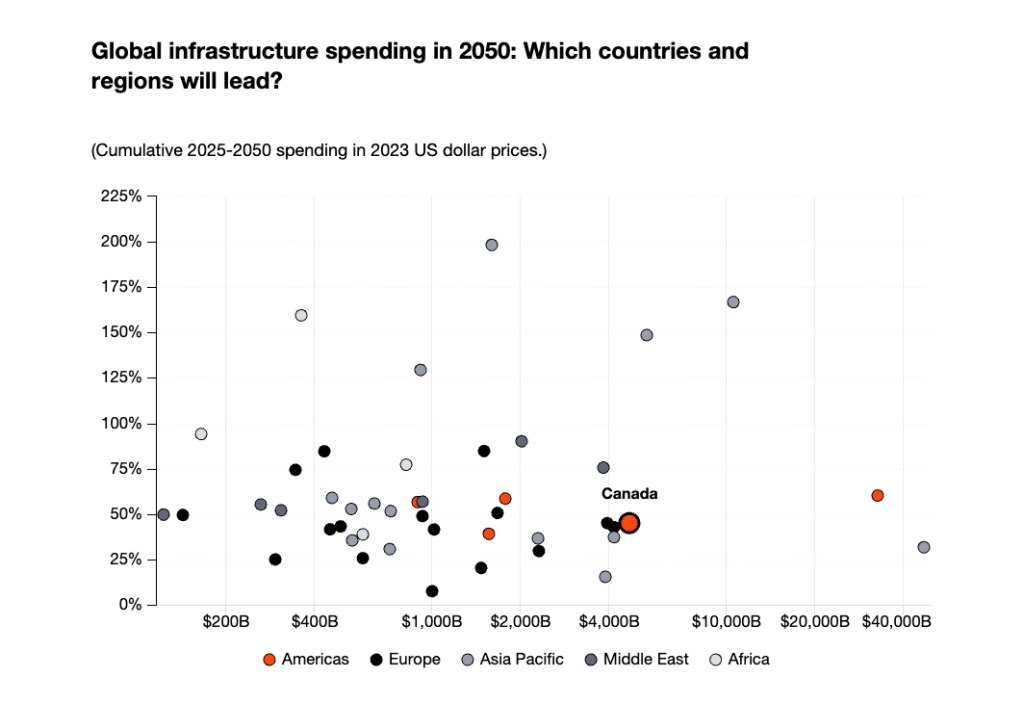
Canada risks losing critical minerals infrastructure race, PwC warns
Mining.com·2026/06/11 13:18
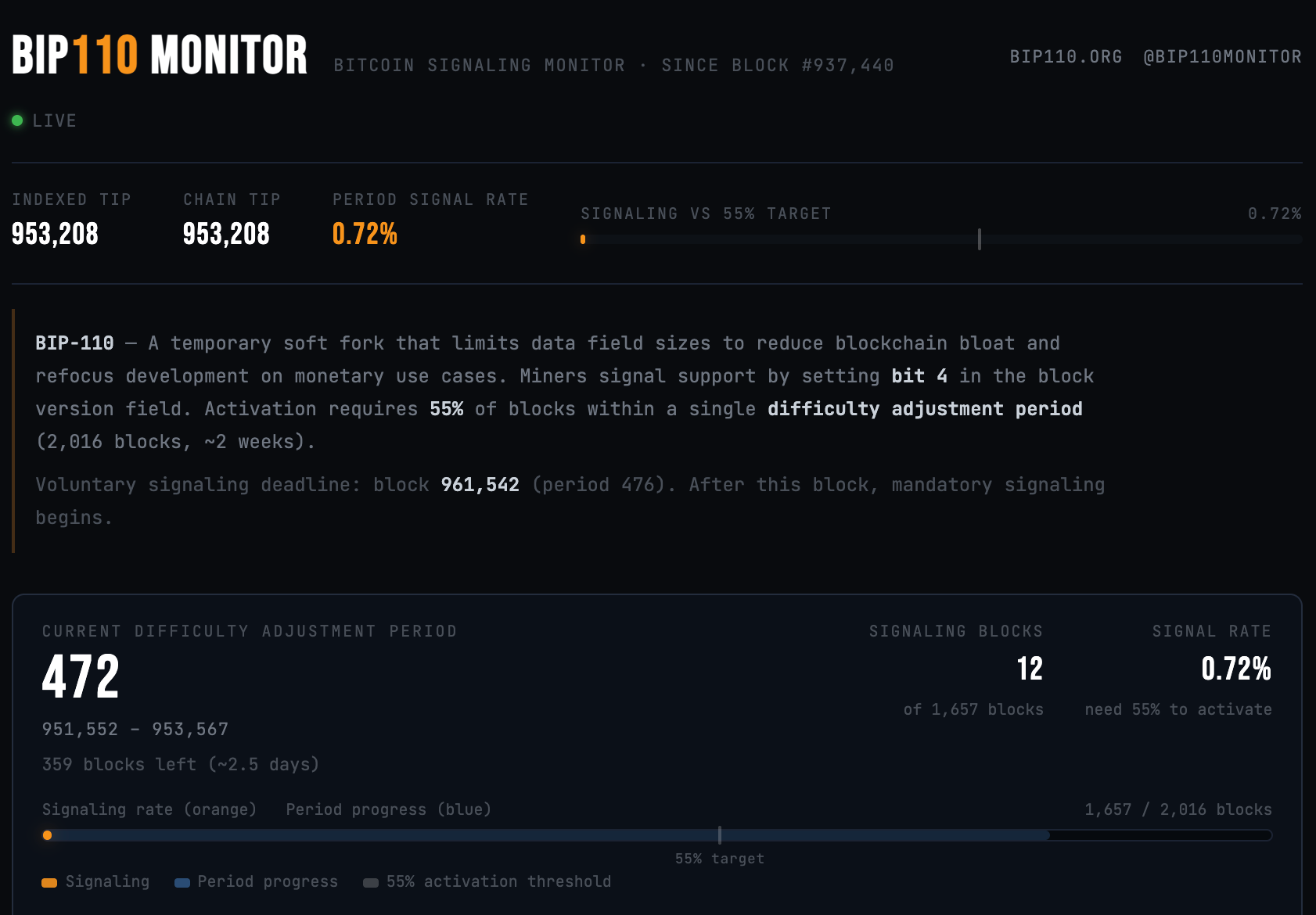
BIP-110 Support Grows, but Adam Back Sees No Consensus
CoinEdition·2026/06/11 13:15
Fortune Crypto 100 Crowns Hyperliquid as Top DeFi Platform in Debut Ranking
BeInCrypto·2026/06/11 13:06
Egrag Crypto to XRP Holders: Macro Confluence Is Building. Here’s What Is Coming
TimesTabloid·2026/06/11 13:03
Column: Nickel’s recovery hopes tempered by growing stock overhang
Mining.com·2026/06/11 12:57
The European Central Bank Becomes First Major Central Bank to Hike Rates Since Inflation Surge
BlockBeats·2026/06/11 12:26
Flash
02:59
A new address with a high leverage short position of 23,000 ETH, liquidation price $1863.2.BlockBeats News, June 14th. According to AI Auntie Monitor, address 0xa2e...f1468 started shorting 23,205.35 ETH in batches last night at 23:42, with a position value of $39.03 million, opening average price of $1,680.8, liquidation price of $1,863.2, and currently facing a floating loss of nearly $27,000.
02:41
Shipping Data: Strait of Hormuz Commercial Vessels Conduct Collective Diversion, Avoiding Iranian Waters to Redirect Toward Oman RouteBlockBeats News, June 14th, the latest ship tracking data shows that vessels passing through the Strait of Hormuz are significantly avoiding Iranian waters and instead opting for the Omani side channel. In the past 24 hours, no commercial vessels have used the Iranian side transit channel, and all related shipping activities have been concentrated in the Omani side traffic separation scheme.
Analysts state that due to increased regional security and geopolitical risks, shipping companies are proactively adjusting their routes to reduce potential risks of navigating near Iranian waters, leading to a further shift of the traditional transit structure towards the southern side (Oman direction).
U.S. President Trump posted on his personal social media platform at 00:45 a.m. this morning, stating that the Iran nuclear deal is scheduled to be signed tomorrow, and after signing, the Strait of Hormuz will be immediately opened to all countries. He mentioned that the relationship between the U.S. and Iran will be more positive than in previous administrations, and the agreement does not involve any funds being paid to Iran.
Trump also stated that once the situation stabilizes, the U.S. will deal with nuclear material buried deep underground in Iran and destroy it through a dilution process, which may take place in Iran or the U.S. He emphasized that he hopes to establish long-term cooperation with Iran and the entire Middle East region, but if the agreement cannot proceed smoothly, the U.S. still has an "ultimate alternative plan" and hopes to never have to use it again.
00:52
Iranian Foreign Ministry: Fee Required for Services in the Strait of HormuzBlockBeats News, June 14th, according to CCTV, Iranian Foreign Ministry spokesperson Baghaei stated on the 13th that Iran's measures to ensure the safe passage of the Strait of Hormuz are not only to safeguard national security but also in line with the common interests of the international community. Iran must receive a fee for providing services in the Strait of Hormuz.
Earlier, Iranian National Security Council Vice Chairman Naboyan stated on the 13th that, according to the Iranian and U.S. memorandum of understanding he had seen, all commercial ships in the Strait of Hormuz will resume passage without any restrictions.